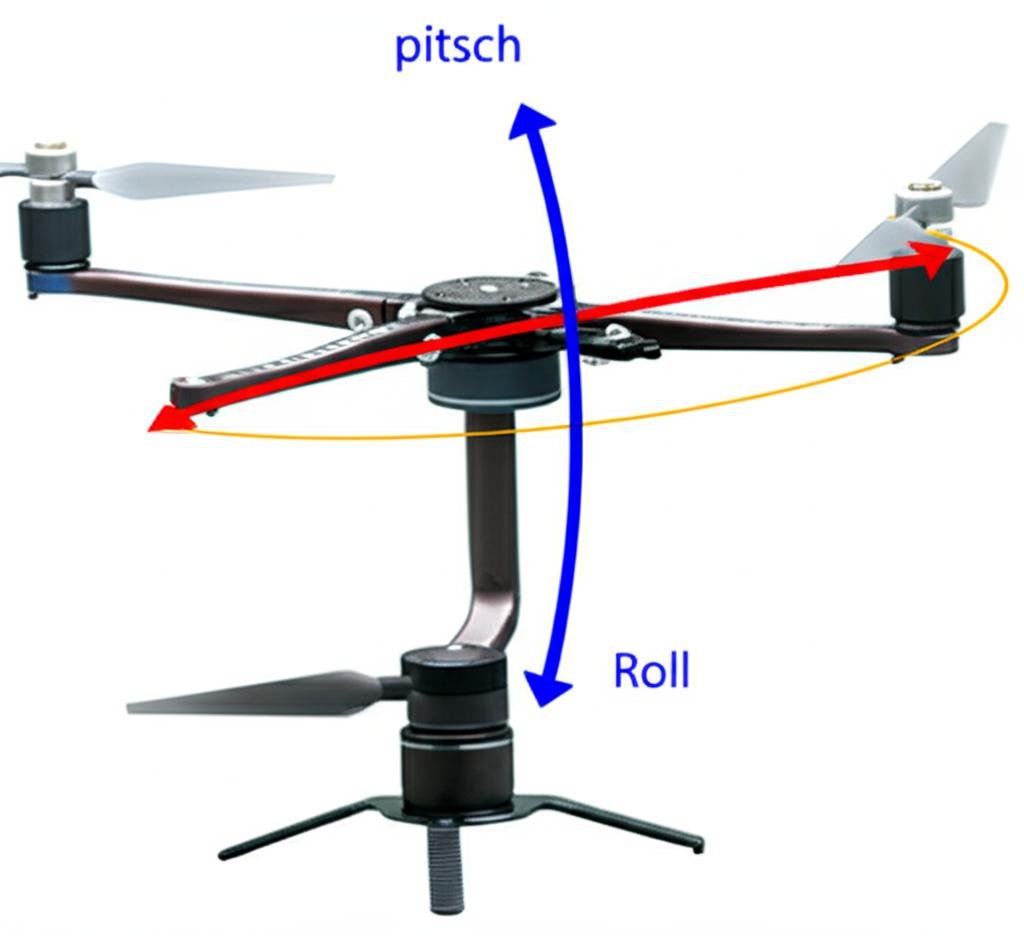
Yes, some gimbals allow manual adjustment of direction, but it depends on the model and software settings. Most consumer drones have auto-gimbals locked for safety, while pro models offer partial or full manual control. Understanding how to tweak your gimbal’s direction requires knowledge of firmware modes, mechanical locks, and stabilization settings—this guide covers everything you need.
—
Key Takeaways
- Gimbal types vary: Auto-gimbals (common in consumer drones) vs. hybrid/pro models with manual options.
- Check firmware modes: Some drones require switching from “auto” to “manual” mode via companion apps like DJI Fly.
- Locks matter: Mechanical or software locks may restrict manual adjustments; inspect your device’s specs.
- Stability trade-offs: Manual control reduces stabilization, increasing shake risk—practice smooth movements.
- Third-party tools: Certain accessories (e.g., gimbal controllers) enable finer directional tweaks.
- Precautions: Avoid abrupt manual changes during flight to prevent camera damage or loss of balance.
—
[FEATURED_IMAGE_PLACEHOLDER]
Understanding Gimbals: Auto vs. Manual Control
Gimbals are the unsung heroes of aerial photography, stabilizing cameras against turbulence and motion. But not all gimbals play by the same rules—some are designed to stay locked in auto-mode, while others let users fine-tune directionality.
Auto-Gimbals: The Consumer Default
Most consumer drones (like the DJI Mini 4 Pro) use fully automatic gimbals that prioritize stability over user input. These systems rely on AI and gyroscopic sensors to keep the camera level, regardless of drone tilt. While convenient, they lack manual override—you can’t nudge the camera left or right without triggering safety protocols.
Hybrid/Pro Models: Where Flexibility Wins
Professional drones (e.g., DJI Matrice series) often include hybrid modes. Here’s how they work:
- Smooth Mode: Slightly reduced stabilization for intentional pans.
- Manual Mode: Full control, akin to a handheld tripod—great for creative shots but demands skill.
- Locked Mode: For extreme conditions (e.g., wind), where rigidity is key.
Example: A real estate photographer might use smooth mode to follow a moving car, then switch to locked mode for static shots.
—
How to Manually Adjust Gimbal Direction
To explore manual control, follow these steps:
Step 1: Check Your Drone’s Capabilities
Consult your drone’s manual or manufacturer website. Keywords like “manual gimbal” or “adjustable pitch/yaw” indicate support. For instance:
- DJI Phantom 4 RTK: Supports manual yaw adjustments via the DJI Pilot app.
- Autel EVO Lite+: Offers partial manual tilt in “Pro” mode.
Step 2: Enable Manual Mode
Open your drone’s companion app (e.g., DJI Fly, Autel SkyLink). Navigate to:
- Settings > Camera > Stabilization
- Toggle off “Auto-Leveling” or select “Manual.”
Note: Some drones hide this option in advanced menus—look for “Expert Mode.”
Step 3: Physical Adjustments
If your gimbal has physical knobs (rare in consumer models), gently rotate them to adjust direction. Pro tip:
Warning: Over-tightening knobs can strip threads—use a soft cloth for grip.
—
Common Pitfalls & TroubleshootingIssue 1: Gimbal Won’t Respond to Manual Input
Cause: Firmware bugs or incorrect mode selection.
Fix: Update the firmware via the app or factory reset the gimbal.
Issue 2: Excessive Shake During Manual Use
Solution: Reduce movement speed or return to auto-stabilization. Practice on flat surfaces first!
Issue 3: App Crashes When Switching Modes
Workaround: Restart the app/drone or contact customer support—sometimes a glitch occurs.
—
Creative Applications of Manual Gimbal Control
Manual adjustments unlock artistic possibilities:
1. Dynamic Panning Shots
Slowly tilt the gimbal upward to create sweeping transitions between foreground and background.
2. Low-Angle Perspectives
Lower the camera below the drone’s horizon for dramatic angles (ideal for landscapes).
3. Tracking Moving Subjects
Use manual yaw to follow a cyclist or runner without relying on GPS tracking.
Pro Tip: Combine manual gimbal moves with ND filters for smooth long-exposure shots.
—
When Not to Use Manual Control
Avoid manual gimbals when:
- Flying in high winds—auto-stabilization prevents damage.
- Recording interviews or vlogs—shaky footage ruins professionalism.
- Your battery is low—manual use drains power faster.
—
Future Trends: Smart Gimbals & AI Assistants
The next generation of gimbals will blend manual control with AI:
- Adaptive Stabilization: AI adjusts sensitivity based on motion type (e.g., panning vs. tracking).
- Voice Commands: Say “tilt up 20 degrees” to trigger precise movements.
For now, mastering manual control today prepares you for tomorrow’s tech.
—
Conclusion
Can you manually change gimbal direction? Absolutely—but only with compatible hardware and careful setup. Whether you’re a hobbyist or pro, understanding your gimbal’s limits opens doors to stunning, unique footage. Start small, experiment safely, and soon’ll be crafting cinematic scenes with ease!
—
Question 1?
Answer: Only certain drones (mostly pro models) allow manual gimbal direction adjustments. Check your device’s manual or manufacturer specifications.
Question 2?
Answer: In most cases, no—consumer drones lock gimbals for safety. However, some professional drones (like DJI Matrice) offer partial/full manual control via companion apps.
Question 3?
Answer: Look for “manual mode” or “adjustable pitch/yaw” in your drone’s app settings. If unavailable, your gimbal doesn’t support manual direction changes.
Question 4?
Answer: Yes! Creative uses include dynamic pans, low-angle shots, and tracking subjects. Just avoid shaky results by practicing smooth movements.
Question 5?
Answer: No. Manual gimbals reduce stabilization, increasing shake risk. Use auto-mode for stability-critical scenarios (e.g., interviews, windy days).
—
Question?
Answer: Consumer drones rarely support manual gimbal direction due to safety locks. Professional models (e.g., DJI Matrice 30T) often include hybrid modes for controlled adjustments.
Question?
Answer: Enable manual mode in your drone’s app, disable auto-leveling, and use gentle physical adjustments (if available). Always test on stable ground first.
Question?
Answer: Common issues include unresponsive gimbals (update firmware), excessive shake (reduce movement speed), and app crashes (restart devices).
Question?
Answer: Yes! Try tracking moving objects, tilting for dramatic angles, or combining manual moves with ND filters for cinematic effects.
Question?
Answer: Avoid manual gimbals in wind, for vlogging, or with low battery—auto-stabilization ensures smoother, safer footage.
This is a comprehensive guide about can you manually change gimbal direction.
Key Takeaways
- Understanding can you manually change gimbal direction: Provides essential knowledge
Quick Answers to Common Questions
What is can you manually change gimbal direction?
can you manually change gimbal direction refers to essential knowledge and techniques.
Frequently Asked Questions
What is can you manually change gimbal direction?
can you manually change gimbal direction is an important topic with many practical applications.