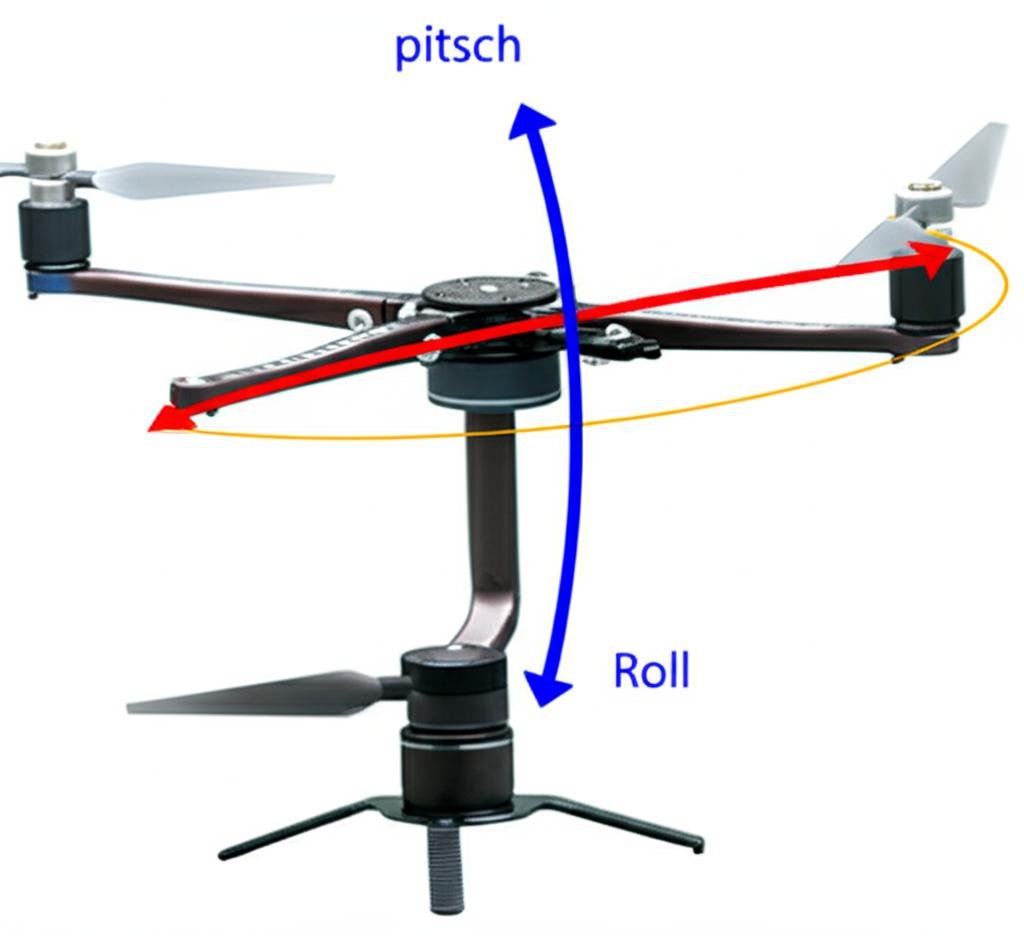
Gimbals are not gyroscopes, but they often use gyroscope technology to stabilize footage. Gyroscopes measure rotation, while gimbals physically adjust camera angles to counteract movement. Understanding both is key for achieving professional-quality video.
Key Takeaways
- Gimbals ≠ Gyroscopes: Gimbals are mechanical devices; gyroscopes are sensors that detect motion.
- Gyroscopes in Gimbals: Most gimbals integrate gyroscopes for real-time stabilization feedback.
- Purpose Difference: Gyroscopes track movement; gimbals actively correct it.
- Common Applications: Drone cameras, smartphones, and action cameras rely on both technologies.
- DIY Alternatives: Some budget gimbals lack advanced gyroscope support, reducing accuracy.
- Future Trends: AI-enhanced gyroscopes may push gimbal tech further.
—
[FEATURED_IMAGE_PLACEHOLDER]
Quick Answers to Common Questions
Question 1?
A gimbal uses gyroscopes to sense motion and adjust its axes accordingly, ensuring the camera stays level even during handheld shots or vehicle movement.
Question 2?
No, gimbals are physical devices, while gyroscopes are sensors. However, most gimbals incorporate gyroscopes for stabilization.
Question 3?
Yes, smartphones have tiny MEMS gyroscopes in their processors, which help apps like Google Photos reduce shakiness.
Question 4?
Look for gimbals with high-torque motors, multi-axis control, and gyroscope calibration features. Brands like DJI and Zhiyun lead the market.
Question 5?
Gyroscopes measure rotation, whereas accelerometers measure linear movement. Together, they provide 6-axis stabilization in advanced gimbals.
📑 Table of Contents
Introduction: The Basics of Gimbals and Gyroscopes
Ever wondered why your smartphone’s selfie mode looks shaky, but a gimbal-captured video feels so smooth? The answer lies in two critical technologies: gimbals and gyroscopes. While they sound similar, they serve entirely different roles in stabilizing footage. This article breaks down their relationship, differences, and practical uses—helping you pick the right gear or troubleshoot issues.
Whether you’re a vlogger, drone pilot, or hobbyist, understanding these components can elevate your content quality. Let’s dive in!
What Is a Gimbal?
Definition and Function
A gimbal is a mechanical device with rotating joints (usually three axes: pitch, roll, and yaw) that keeps a camera level despite the user’s movements. Think of it as a “smart tripod” that adjusts in real time. Popular brands like DJI and Zhiyun offer gimbals for drones, DSLRs, and even GoPros.
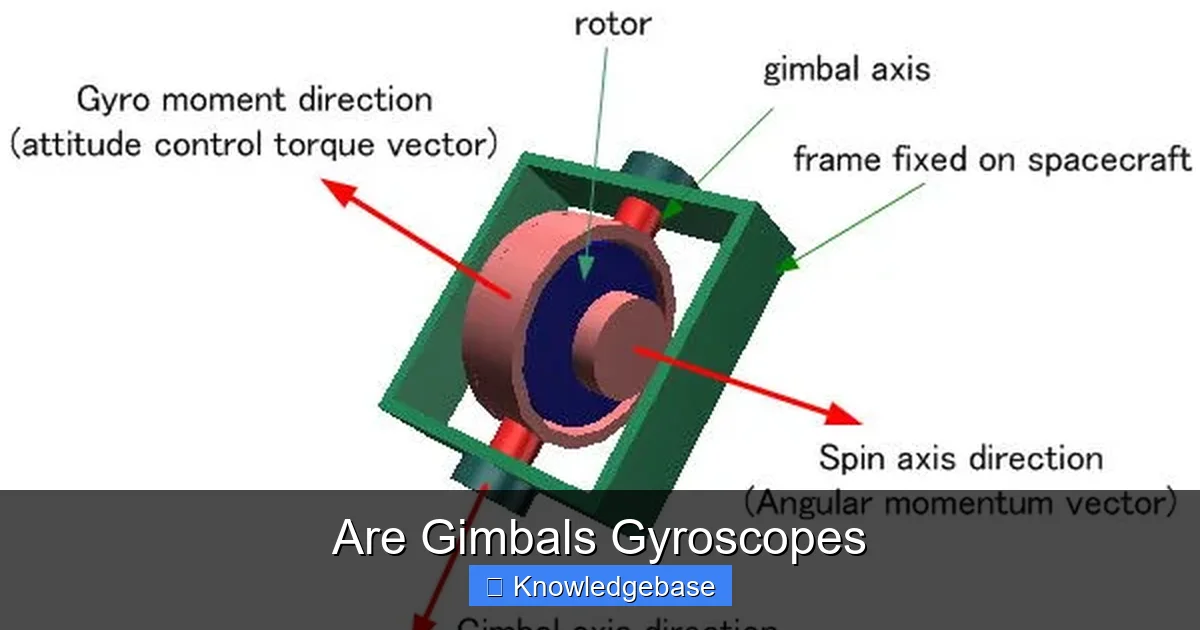
Visual guide about Are Gimbals Gyroscopes
Image source: cdn.satnow.com
How Gimbals Work
- Motion Detection: Sensors (often gyroscopes) detect tilting or shaking.
- Counter-Action: Motors rotate the gimbal’s axes to cancel out unwanted movement.
- Feedback Loop: Advanced systems recalibrate continuously for stability.
What Is a Gyroscope?
Sensing Rotation
A gyroscope (or gyro) is a sensor that measures angular velocity—how fast an object turns. Found in everything from smartphones to spacecraft, it uses spinning discs or MEMS (Micro-Electromechanical Systems) to detect orientation changes.
Types of Gyroscopes
- Mechanical Gyros: Heavy, used in aviation (e.g., aircraft navigation).
- MEMS Gyros: Tiny, low-cost (common in smartphones).
- Fiber Optic Gyros: High-precision for drones.
The Link Between Gimbals and Gyroscopes
Why Gimbals Need Gyroscopes
While gimbals move mechanically, gyroscopes provide data to make those movements accurate. Here’s the synergy:
“A gyroscope tells the gimbal what to do; the gimbal does it.”
Real-World Example
If you pan left while walking, the gyroscope detects the tilt. The gimbal then motors to rotate the camera counterclockwise, keeping it steady.
Differences at a Glance
| Feature | Gimbal | Gyroscope |
|---|---|---|
| Function | Mechanically stabilizes cameras | Detects rotational movement |
| Components | Motors, gears, joints | Spinning disc or MEMS chip |
| Applications | Vlogging, drones | Smartphones, robotics |
Practical Tips for Using Both Technologies
Choosing a Gimbal
- Budget vs. Performance: Higher-end gimbals (e.g., Ronin-SC) include better gyros for smoother results.
- Compatibility: Ensure your camera fits the gimbal’s payload limits.
Troubleshooting
If footage isn’t stable:
- Check if the gyroscope firmware needs updating.
- Calibrate the gimbal (refer to manufacturer instructions).
- Avoid overloading the gimbal (excess weight strains motors).
Future Trends
Emerging tech includes:
- AI Integration: Predictive algorithms anticipate movement patterns.
- Hybrid Designs: Combining gyros with accelerometers for 6-axis stabilization.
- Portable Solutions: Ultra-compact gimbals with embedded gyroscopes (e.g., phone mounts).
Conclusion
To recap: Gimbals aren’t gyroscopes, but they depend on them to deliver cinematic smoothness. Whether you’re shooting a travel vlog or aerial footage, pairing a reliable gimbal with robust gyroscope tech ensures professional results. Invest in quality gear, understand its inner workings, and unlock limitless creative possibilities!
—
Frequently Asked Questions
Can I use a smartphone without a gimbal?
Yes, but apps with built-in gyroscope-based stabilization (like Insta360 or Filmic Pro) can reduce shake. For pro-level smoothness, a gimbal is still recommended.
Are all gimbals gyroscope-equipped?
Most mid-to-high-range gimbals include gyroscopes. Budget models might lack advanced sensors, resulting in less precise stabilization.
Do drones need both?
Absolutely! Drones combine gyros for flight stability and gimbals for camera stabilization, especially in windy conditions.
How long do gimbal gyros last?
MEMS gyroscopes typically endure millions of cycles. Mechanical parts (motors, gears) require maintenance every few years.
Is gyroscope calibration necessary?
Yes! Calibration ensures accurate readings. Follow your gimbal’s manual—often done by moving the camera in specific patterns.
What’s the difference between 3-axis and 6-axis gimbals?
3-axis handles pitch, roll, and yaw separately. 6-axis adds accelerometers to compensate for linear movement, offering smoother results.