Cameras don’t come with built-in gimbals, but you can attach them externally for stabilization. Gimbals are separate devices that use motors and sensors to smooth out shaky movements, ideal for vlogging, action shots, and professional videography. Choosing the right gimbal depends on your camera type (DSLR, mirrorless, or smartphone) and usage.
—
Key Takeaways
- Gimbals aren’t built into cameras: They’re external accessories mounted on top or below your camera.
- Types of gimbals: 3-axis (most advanced), 2-axis (budget-friendly), and handheld models.
- Compatibility matters: Check if your camera’s weight and dimensions fit the gimbal.
- Battery life varies: Heavy-duty gimbals drain batteries faster than lightweight ones.
- Stabilization modes: Features like horizon lock and follow modes enhance footage.
- Price ranges widely: From $50 for basic models to $1,000+ for pro setups.
—
[FEATURED_IMAGE_PLACEHOLDER]
Introduction: Why Do You Need a Gimbal?
If you’ve ever filmed a shaky video while walking or moving, you know how frustrating it can be. A gimbal is your secret weapon to eliminate jittery footage and make every shot look polished. But here’s the catch: cameras don’t include gimbals by default. Instead, gimbals are standalone accessories designed to attach to your camera—whether it’s a DSLR, mirrorless, or even a smartphone.
This article breaks down everything you need to know about gimbals, from how they work to how to pick the best one for your needs. Whether you’re a hobbyist or a pro, understanding gimbals will help you capture smoother, more cinematic videos without expensive post-production fixes.
How Do Gimbals Work?
The Science Behind Stabilization
A gimbal uses two key technologies to stabilize footage: motors and sensors. Motors adjust the camera’s position in real-time to counteract movement, while sensors detect motion (like tilting or shaking). This creates a virtual “platform” that keeps the camera perfectly level as you move around.
Example: If you walk left-to-right, the gimbal’s motors tilt the camera downward slightly to prevent the horizon from dipping. The result? Smooth tracking shots even when you’re jogging or driving.
Types of Gimbal Axes
Gimbals vary in complexity based on the number of axes they control:
- 1-axis: Only stabilizes up-and-down movements (rarely used today).
- 2-axis: Controls tilt (up/down) and pan (left/right). Budget-friendly but limited.
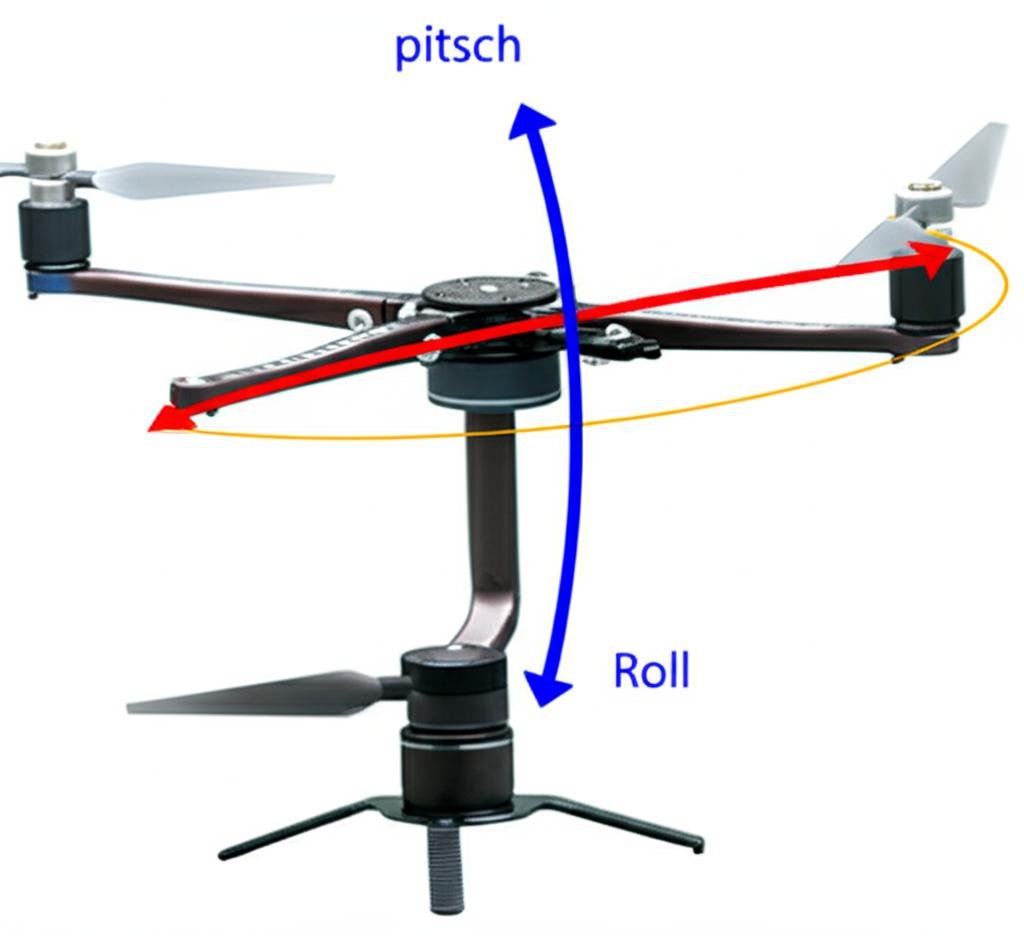
- 3-axis: Adds roll (side-to-side stabilization). Most popular for professionals.
Pro Tip: For vloggers, a 2-axis gimbal suffices. Filmmakers should opt for 3-axis for full control over all angles.
Can I Use a Gimbal with My Camera?
Compatibility Checklist
Not all gimbals fit all cameras! Here’s what to check:
- Weight Capacity: Ensure the gimbal supports your camera + lens combo (e.g., Sony A7 IV + 24-70mm weighs ~2kg).
- Mount Compatibility: Most use standard tripod heads (e.g., screw-in or quick-release plates).
- Size & Balance: Large DSLRs may require a heavy-duty gimbal; mirrorless cameras often pair well with compact models.
Example: The DJI RS 3 Pro handles up to 6kg, making it great for Canon EOS R5 + telephoto lenses.
Smartphone vs. DSLR/Mirrorless
Smartphone Gimbals: Lightweight ($50–$150), like DJI OM 6. Ideal for TikTok/Reels. Some offer magnetic attachments.
DSLR/Mirrorless Gimbals: More robust ($200–$800), with better battery life and payload capacity. Brands like Zhiyun and DJI dominate this market.
Popular Gimbal Models for Different Cameras
Best Budget Options Under $200
- Zhiyun Smooth 3: Affordable 3-axis gimbal for smartphones/DSLRs.
- WeeBee X20: Compact and portable, great for travel.
Mid-Range Gimbals ($200–$500)
- DJI Ronin-SC: Lightweight yet powerful, perfect for mirrorless cameras.
- Zhiyun Crane M3: Advanced features like follow focus and horizon correction.
Professional-Grade Gimbals ($500+)
- DJI RS 3 Pro: 6kg payload, dual-battery support, and AI-assisted tracking.
- FeiyuTech AK2000: Used in film studios for cinematic shots.
Practical Tips for Using a Gimbal
Balancing Your Camera
Improper balance causes jerky movements. Follow these steps:
- Place your camera on the gimbal’s plate.
- Adjust the counterweight until the arms stay straight (no leaning).
- Test by panning gently—if it wobbles, tweak again.
Mastering Movement Techniques
Follow Shot: Hold the gimbal steady while the camera tracks a subject (great for interviews).
Tracking Shot: Move the gimbal smoothly along a path (ideal for car rides or hiking).
Tip: Practice in low-stress environments first, like your backyard!
Battery & Maintenance
Gimbals drain fast under load. Always carry spare batteries. Clean the gimbal’s moving parts monthly with a microfiber cloth to avoid dust buildup.
When Shouldn’t You Use a Gimbal?
Gimbals aren’t magic—they’re tools. Consider alternatives in these cases:
- Slow-moving scenes: Tripods or monopods suffice.
- Extreme sports: GoPros or action cameras with built-in stabilizers (like Hero 11 Black) might be better.
- Low-light conditions: Avoid handheld gimbals; use a tripod instead.
Conclusion: Elevate Your Footage Today
Gimbals are game-changers for anyone serious about video quality. While cameras lack built-in gimbals, investing in one can transform shaky clips into award-winning content. Remember:
- Match the gimbal to your camera’s specs.
- Practice balancing and movement techniques.
- Prioritize stability over flashy features if you’re a beginner.
With the right gimbal, your creativity has no limits. Happy filming!
—
Quick Q&A
Question 1?
No, cameras don’t come with built-in gimbals. You must purchase and attach a separate gimbal device.
Question 2?
Yes, smartphone gimbals (like DJI OM 6) exist. They’re lightweight and designed for phone mounts.
Question 3?
Look for compatibility with your camera’s weight, mount type, and budget. 3-axis gimbals offer the most control.
Question 4?
Yes, but ensure the gimbal’s payload capacity exceeds your camera+lens weight (e.g., DJI RS 3 Pro handles 6kg).
Question 5?
No. Gimbals stabilize in real-time, not after recording. They compensate for movement during filming.
—
FAQs
What’s the difference between a stabilizer and a gimbal?
Gimbals are a type of stabilizer but offer multi-axis motorized control, whereas stabilizers (like fluid heads) rely on friction or springs for passive stabilization.
Can I use a gimbal underwater?
Some waterproof gimbals (e.g., ZHIYUN WEEBEE X20) exist, but most require additional housings for submersion.
How long does a gimbal last?
With proper care, gimbals last 5–10 years. Motor wear occurs over time, but repairs are common.
Do drones use gimbals too?
Yes! Drone gimbals (like those on DJI Phantom) stabilize cameras mid-flight, similar to handheld models.
Is a gimbal worth it for casual use?
Absolutely! Even beginners benefit from smoother footage. Start with a budget model ($100–$200) and upgrade later.
This is a comprehensive guide about do cameras have gimbals.
Key Takeaways
- Understanding do cameras have gimbals: Provides essential knowledge
Quick Answers to Common Questions
What is do cameras have gimbals?
do cameras have gimbals refers to essential knowledge and techniques.
Frequently Asked Questions
What is do cameras have gimbals?
do cameras have gimbals is an important topic with many practical applications.