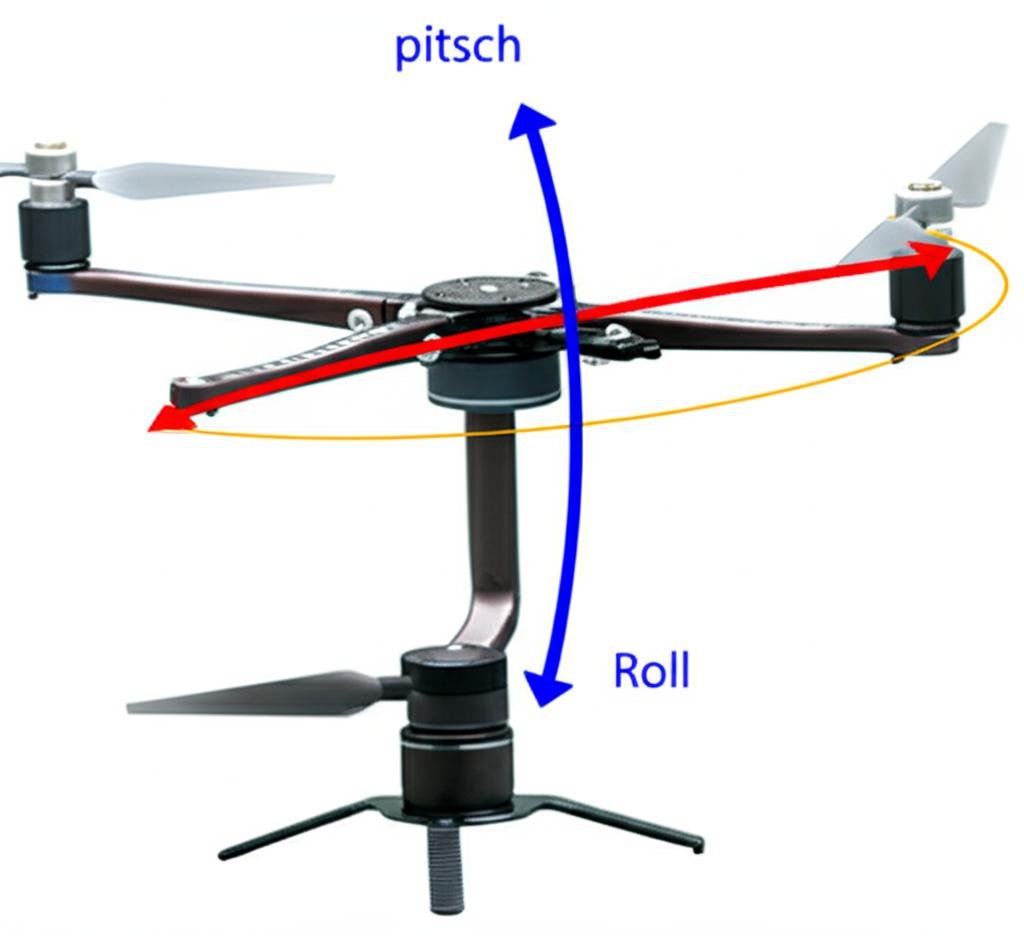
Yes, you can take a gimbal on a plane as carry-on or checked luggage, but follow TSA guidelines to avoid delays. Ensure batteries are compliant (under 100Wh), pack securely, and declare lithium-ion batteries if required.
This is a comprehensive guide about can you take a gimbal on a plane.
Key Takeaways
- Gimbals are allowed in both carry-on and checked bags, but battery rules apply.
- Lithium-ion batteries must be under 100Wh; higher capacity may require airline approval.
- Pack gimbals with accessories separately to prevent damage during transit.
- Declare batteries at security if they exceed standard power limits.
- Use padded cases or protective sleeves for fragile parts like motors or sensors.
- Airlines vary in policies; check directly before flying.
- Test functionality post-travel to ensure no issues from rough handling.
—
[FEATURED_IMAGE_PLACEHOLDER]
# Can You Take a Gimbal on a Plane? A Complete Travel Guide
## Introduction
Traveling with photography equipment like gimbals can be stressful, especially when it comes to air travel. Whether you’re a vlogger, content creator, or just love capturing smooth footage, the question “Can you take a gimbal on a plane?” is common. The good news? Absolutely! But there’s more to it than just tossing it into your bag.
This guide breaks down everything you need to know: TSA rules, airline policies, packing tricks, and pro tips to keep your gimbal safe. Let’s dive in so you can fly worry-free!
—
## Understanding TSA & Airline Policies
### What Does TSA Say About Gimbals?
The Transportation Security Administration (TSA) allows gimbals through security checkpoints as long as:
– They don’t contain prohibited items (e.g., weapons, sharp tools).
– Lithium-ion batteries comply with FAA rules (under 100Wh for personal use; higher requires airline approval).
### How Airlines Handle Gimbals
Most airlines treat gimbals like other camera gear:
– Carry-on: Best option to protect delicate parts from baggage handlers.
– Checked: Acceptable if packed in a hard-shell case, but riskier due to rough handling.
– Declaration Required: Some airlines ask for battery details—bring proof of purchase or specs.
Pro Tip: Check your airline’s website (e.g., Delta, United) for specific policies. For example, Emirates allows gimbals in both categories but restricts large batteries.
—
## Packing Your Gimbal Like a Pro
### Essential Packing Checklist
- Batteries: Keep them separate, protected, and labeled with watt-hour ratings.
- Accessories: Tripods, mics, cables—pack them in a dedicated compartment.
- Protective Case: Use a padded sleeve or Pelican-style case for fragile parts.
- Backup Power: Bring extra batteries (within limits) and a portable charger.
- Documentation: Have receipts or manuals handy for inspections.
### Example Packing Layout
- Outer Bag: Large backpack/duffel with laptop compartment.
- Middle Layer: Gimbal in a foam-lined case.
- Inner Compartment: Batteries + accessories in zippered pouches.
—
## Battery Rules & Safety Tips
### FAA’s Lithium-ion Guidelines
- Personal Use: Batteries ≤100Wh are permitted without approval. (Example: Most phone/tablet batteries fit here.)
- Higher Capacity: Over 100Wh but ≤160Wh needs airline permission and possibly a signed form.
- Spares: Only one spare per passenger is typically allowed.
### How to Avoid Issues
- Label Everything: Write “Lithium-ion” and watt-hours clearly on battery packs.
- Never Damage Cells: Cracked batteries are forbidden (fire risk).
- Check Local Laws: Some countries have stricter rules (e.g., Australia limits spares).
—
## Handling Security Checks
### At Airport Security
- Declare Batteries: If questioned, provide specs (e.g., “37Wh, Sony NP-F series”).
- Separate Electronics: Hand over gimbals/batteries to TSA officers for X-ray screening.
- No Loose Parts: Secure screws/motors to prevent loss.
Pitfall Alert: Don’t hide batteries in your shoes—this could lead to confiscation.
—
## Post-Travel Care & Troubleshooting
### Common Issues & Fixes
- Moved Screws/Components: Reassemble carefully after unpacking.
- Battery Swelling: Stop using it immediately; replace if damaged.
- Software Glitches: Reinstall firmware if the gimbal acts oddly.
### Pro Tip: Test Before Flying Again
Run a quick test on arrival to ensure everything works smoothly.
—
## Conclusion
Taking a gimbal on a plane is totally possible—just plan ahead. By following TSA rules, packing smartly, and staying informed about airline policies, you’ll minimize stress. Remember:
– Batteries matter most—keep them compliant.
– Protect your gear with proper cases.
– Check local rules if crossing borders.
Now go capture those epic travel videos without worrying about airport hassles! Happy flying!
—
### QUICK Q&A
Quick Answers to Common Questions
What is can you take a gimbal on a plane?
can you take a gimbal on a plane refers to essential knowledge and techniques.
Frequently Asked Questions
What is can you take a gimbal on a plane?
can you take a gimbal on a plane is an important topic with many practical applications.