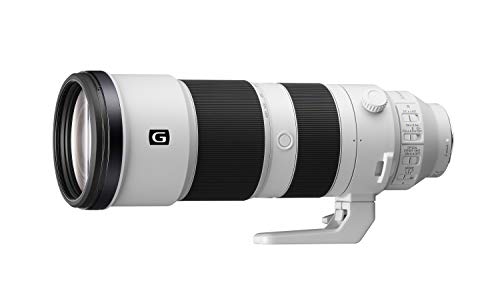
So, you’ve got your hands on the incredible Sony FE 200-600mm F5.6-6.3 G OSS Super Telephoto Zoom lens. It’s a fantastic piece of glass, perfect for capturing those breathtaking wildlife shots, fast-paced sports action, or even distant landscapes. But let’s be real – it’s a big lens, and hand-holding it for extended periods isn’t just tiring, it can lead to shaky, blurry photos. That’s where a top-notch gimbal head comes in!
A good gimbal head is an absolute game-changer for heavy telephoto lenses like your 200-600mm. It allows your camera and lens to “float,” balancing perfectly so you can track moving subjects with incredible fluidity and precision, without feeling the strain. It’s like having an extra pair of super-strong, steady hands! Finding the best gimbal head for Sony 200-600 means looking for stability, smooth operation, and enough load capacity to handle your valuable gear.
We’ve scoured the market to bring you our top picks. Let’s dive in and find the perfect partner for your Sony 200-600mm!
Slik SGH-300 Compact Gimbal Head
The Slik SGH-300 is a fantastic choice if you’re looking for a gimbal head that’s both highly functional and incredibly portable. It punches well above its weight, designed specifically with super-zoom lenses like the Sony 200-600mm in mind. What truly makes this gimbal stand out is its compact footprint and light weight, making it an ideal companion for photographers who are always on the move, chasing that perfect shot in the field. Don’t let its size fool you; it’s engineered to provide excellent support and fluid motion for your heavy lens setup.
Key Features:
– Compact dimensions: only 6.5″ tall, 8″ wide, and 2″ thick
– Lightweight at just 1.77 lbs
– Supports up to 6.6 lbs of gear, perfect for a super-zoom with a professional body
– Compatible with standard Arca-type quick release plates
– Includes gimbal, QR plate, and carry case
Pros:
– Extremely portable and lightweight, great for travel
– Specifically designed for popular super-zoom lenses
– Smooth operation for tracking subjects
– Arca-type compatibility is a big plus
Cons:
– Lower maximum load capacity compared to some heavier-duty options
– May feel less “heavy-duty” than larger gimbals (though perfectly adequate for stated capacity)
User Impressions:
Users frequently praise the Slik SGH-300 for its impressive portability without sacrificing functionality. Many are surprised by how well it handles their telephoto lenses despite its compact size, making it a favorite for hikers and wildlife photographers who need to pack light. It’s often described as a surprisingly capable and easy-to-use gimbal for the price.
NEEWER Gimbal Tripod Head Professional Heavy Duty Aluminum

When it comes to robust support and silky-smooth movement for your Sony 200-600mm, the NEEWER GM101 Gimbal Tripod Head truly shines. This unit boasts a solid aluminum alloy construction, ready to handle professional DSLR cameras and those hefty telephoto lenses with unwavering stability. Its integrated bearing structure is a game-changer, allowing for incredibly precise and fluid adjustments, which is exactly what you need when tracking fast-moving wildlife or athletes. If you’re serious about capturing sharp, dynamic images of moving subjects, this NEEWER gimbal head is built to deliver.
Key Features:
– Durable aluminum alloy construction with integrated load-bearing structure
– Maximum load capacity of 30lb/13.6kg
– Smooth camera movement with bearing structure for precise tracking
– 360° panning base with panoramic scales and lock knob
– 1/4″ and 3/8″ sockets for wide tripod compatibility
– Vertical and horizontal adjustment with scale for precise positioning
– Arca-type quick release plate with 1/4″ mounting screw and rubber padding
– Built-in bubble level for precise angling
Pros:
– Excellent load capacity, suitable for very heavy setups
– Bearing structure provides exceptionally smooth panning and tilting
– Solid and durable build quality for long-term use
– Highly versatile with 360° panning and precise scales
Cons:
– Heavier than compact gimbal heads, less ideal for light travel
– Requires careful handling (loosening knob while holding camera) to prevent drops
User Impressions:
Photographers using the NEEWER GM101 are consistently impressed by its stability and the buttery-smooth motion it offers. It’s a firm favorite among wildlife and sports photographers who depend on its robust build to keep their valuable gear steady and track subjects flawlessly. Many highlight its exceptional value for money, considering the professional-grade performance it delivers.
K&F Concept Upgraded Gimbal Tripod Head
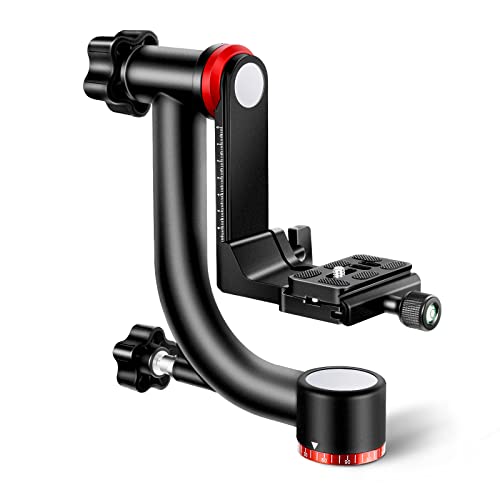
The K&F Concept Upgraded Gimbal Tripod Head is a testament to refined engineering, offering an exceptional balance of strength, precision, and smooth operation. This isn’t just an iteration; it’s a significant upgrade designed to provide an even more seamless experience for users with heavy telephoto lenses like your Sony 200-600mm. With its exclusive lubricant ensuring silky-smooth rotation even in extreme temperatures and a new CNC process for enhanced durability, this gimbal head is built for professionals who demand the absolute best in stability and fluid movement in any condition. It’s surprisingly lightweight for its incredible strength, too!
Key Features:
– Exclusive lubricant for silky-smooth rotation in all temperatures
– Craftsmanship upgraded with new CNC process for precision and durability
– Constructed from premium aluminum alloy, including knobs
– Supports a weight capacity of 44.09lbs/20kg
– Lightweight at only 1.13kg (11% lighter than previous version)
– 4 adjustable modes for 360-degree horizontal and vertical rotation
– 100mm range for horizontal and vertical arm adjustment with precise scales
– Robust damping locking force to hold cameras at any angle
– Wide compatibility with 3/8″ or 1/4″ tripod screws and camera threads
– Includes screw adapters and Arca-type quick-release plate
Pros:
– Outstanding maximum load capacity (one of the highest available)
– Exceptional smoothness due to exclusive lubricant and bearing design
– Premium craftsmanship and durable all-metal construction
– Remarkably lightweight for its strength
– Highly precise adjustments with clear scales
Cons:
– Might be overkill for users who don’t frequently handle extremely heavy setups
– Higher price point reflects its premium features and build
User Impressions:
Users rave about the K&F Concept Upgraded Gimbal’s unparalleled smoothness and rock-solid stability. Many comment on the noticeable improvement over previous versions and appreciate the thoughtful design details, like the all-metal knobs. It’s highly recommended by professionals who trust it with their most expensive and heavy camera equipment, praising its performance in demanding outdoor conditions.
Choosing Your Best Gimbal Head for Sony 200-600
Finding the best gimbal head for Sony 200-600 boils down to balancing load capacity, smoothness, portability, and your budget.
– If portability is your absolute top priority without sacrificing essential functionality, the Slik SGH-300 is an excellent, compact choice.
– For a heavy-duty workhorse that offers fantastic stability and fluid tracking for serious wildlife and sports photography, the NEEWER Gimbal Tripod Head is a phenomenal value.
– And if you demand the absolute pinnacle of smoothness, precision, and a massive load capacity for professional use, the K&F Concept Upgraded Gimbal Tripod Head stands out as a top-tier option.
Whichever you choose, investing in a good gimbal head will transform your experience with the Sony 200-600mm, allowing you to capture sharper images and track subjects with ease, making every photography session more enjoyable and productive. Happy shooting!
Frequently Asked Questions (FAQ)
Q1: Why do I need a gimbal head for my Sony 200-600mm lens?
A1: The Sony 200-600mm is a relatively heavy and long telephoto lens. A gimbal head provides perfect balance, allowing you to easily pan and tilt the lens with minimal effort. This prevents arm fatigue, reduces camera shake, and enables smooth, fluid tracking of fast-moving subjects like birds in flight or athletes, leading to sharper, clearer images.
Q2: What’s the main difference between a gimbal head and a ball head for telephoto lenses?
A2: A ball head locks your lens in a specific position, which can be awkward to adjust quickly with a heavy, long lens, often causing the lens to ‘flop’ slightly when unlocked. A gimbal head, however, balances the lens at its center of gravity, allowing it to “float.” This enables incredibly smooth, effortless movement along horizontal and vertical axes without needing to unlock and relock, making it ideal for tracking moving subjects.
Q3: How much weight capacity should a gimbal head have for the Sony 200-600mm?
A3: The Sony 200-600mm lens itself weighs about 4.6 lbs (2.1 kg). When paired with a camera body (like a Sony Alpha 7 series, around 1.5 lbs / 0.7 kg), your total setup will be around 6-7 lbs (2.7-3.2 kg). A gimbal head with a minimum load capacity of 10-15 lbs (4.5-6.8 kg) provides a good safety margin. The higher the capacity, generally the more stable and robust the head feels.
Q4: Is Arca-Swiss compatibility important for a gimbal head?
A4: Yes, absolutely! Arca-Swiss is the industry standard for quick-release plates. If your gimbal head is Arca-Swiss compatible, you can use a wide range of quick-release plates, including the one often integrated into the Sony 200-600mm lens collar. This ensures easy and secure attachment/detachment of your lens and camera.
Q5: Can I use any tripod with a gimbal head?
A5: While you can technically mount a gimbal head on most tripods, it’s highly recommended to use a sturdy, stable tripod, especially with a heavy lens like the Sony 200-600mm. Look for tripods with robust leg sections, a solid center column (or no center column for maximum stability), and a 3/8-inch mounting screw (most gimbal heads use this). A flimsy tripod will negate the benefits of even the best gimbal head.
Q6: How do I properly balance my Sony 200-600mm lens on a gimbal head?
A6: To balance your setup:
1. Attach the lens’s tripod collar foot to the gimbal’s quick-release plate.
2. Mount the quick-release plate to the gimbal head.
3. Adjust the horizontal position of the lens on the plate until it doesn’t tilt forward or backward when you let go.
4. Adjust the height of the gimbal’s swinging arm until the lens doesn’t tilt up or down when you let go.
Once balanced, the lens should “float” freely and stay in position when you stop moving it, allowing for smooth, effortless tracking.
Q7: What features should I prioritize when buying a gimbal head for wildlife photography?
A7: For wildlife photography, prioritize:
– Smoothness: The most crucial feature for tracking moving animals. Look for bearing-based designs.
– Load Capacity: Ensure it can comfortably handle your lens and camera.
– Durability: Weather-resistant and robust construction is vital for outdoor use.
– Arca-Swiss Compatibility: For quick and secure mounting.
– Build Quality: Look for solid metal construction (aluminum alloy) for longevity.
– Portability (if applicable): If you hike a lot, consider the head’s weight and size.