In today’s visually-driven world, vertical video isn’t just a trend—it’s the standard for platforms like TikTok, Instagram Reels, YouTube Shorts, and even Snapchat. If you’re serious about creating engaging content that stands out, you know that shaky, unwatchable footage just won’t cut it. That’s where a fantastic camera stabilizer comes in, especially one designed for portrait mode.
Finding the best gimbal for vertical shooting can feel like searching for a needle in a haystack with so many options out there. You need a device that not only smooths out your movements but also makes the switch to vertical orientation seamless and quick. Forget fumbling with plates and rebalancing; modern gimbals offer incredible features to streamline your workflow.
We’ve scoured the market to bring you a hand-picked selection of the top gimbals that excel in vertical shooting, ensuring your content always looks professional and buttery smooth. Let’s dive in!
Why Vertical Shooting Matters Now More Than Ever
Think about it: most people hold their phones vertically. When you create content horizontally, viewers have to rotate their phones or deal with black bars. Vertical content fills the screen, immediately grabbing attention and providing a more immersive viewing experience. From vlogging to short-form cinematic clips, optimizing for vertical is a game-changer for reach and engagement on social media platforms. A dedicated gimbal for vertical shooting ensures your footage is always sharp, stable, and ready for prime time.
Product Reviews
DJI RS 3 Mini
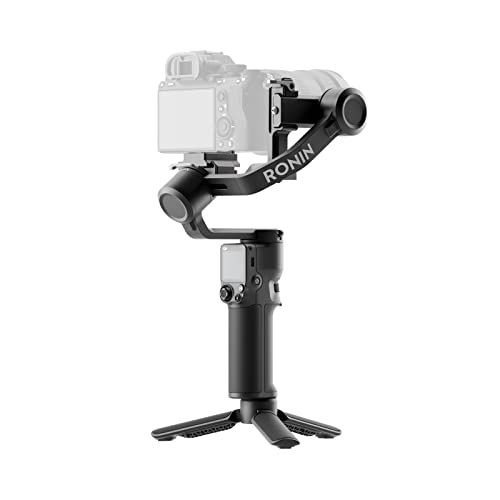
The DJI RS 3 Mini is an absolute gem for content creators on the go. What makes it stand out is its incredibly lightweight and portable design, making it a breeze to carry around for extended shooting sessions without fatigue. Despite its compact size, it packs a punch with strong motors and a clever native vertical shooting design that lets you switch orientations effortlessly. Just mount the quick-release plate to the vertical arm, and you’re good to go, making it super efficient for social media content.
- 795g (1.75lbs) Lightweight and Portable, easy to hold for extended shooting.
- Wide-Ranging Compatibility: Load capacity of up to 2 kg (4.4 lbs) for various camera and lens combinations.
- Bluetooth Shutter Control: Camera automatically reconnects after initial pairing for easy photo/video control.
- 3rd-Gen RS Stabilization Algorithm for pro-level image stabilization in various shooting modes.
- Native Vertical Shooting: Mount the quick-release plate to the vertical arm for seamless vertical content creation.
- 1.4″ Full-Color Touchscreen: Intuitive UI design for quick access to frequently used settings.
- Requires DJI Ronin app for activation and full functionality (download from DJI official website).
Pros:
– Extremely lightweight and travel-friendly.
– Effortless native vertical shooting setup.
– Good payload capacity for its size.
– User-friendly touchscreen interface.
Cons:
– May not handle the heaviest camera setups.
– Requires DJI Ronin app download from DJI website (not Google Play).
User Impressions: Users love the RS 3 Mini for its portability and how easy it makes getting smooth, stable footage. Many highlight the quick switch to vertical as a major plus for their vlogging and social media work. It’s often praised as a perfect entry point into the DJI Ronin ecosystem for mirrorless camera users.
DJI RS 4

The DJI RS 4 steps up the game with its second-generation native vertical shooting capabilities, making it even more efficient for professionals and serious hobbyists. It features a new horizontal plate that you can simply release and secure into the vertical position, eliminating the need for extra accessories. This larger, more capable gimbal also boasts Teflon-coated axis arms for smoother balancing and an extended tilt axis, giving you more flexibility with heavier camera and lens combinations. If you’re looking for robust performance with a focus on seamless vertical transitions, the RS 4 is a strong contender.
- 2nd-Gen Native Vertical Shooting: New horizontal plate for easy, accessory-free switch to vertical.
- Joystick Mode Switch for Zoom/Gimbal Control: Quickly toggle between PF, PTF, and FPV modes.
- Teflon-Coated Axis Arms for Smoother Balancing: Reduced friction for ultra-precise camera balancing.
- 3kg (6.6lbs) Payload Capacity with Extended Tilt Axis: Expanded balancing space for mainstream mirrorless camera and lens combos.
- RSA Communication Port for Extensive Control Ecosystem: Connect more accessories like the DJI RS Tethered Control Handle.
- New BG70 High-Capacity Battery Grip (Sold separately): Extends battery runtime from 12 to 29.5 hours.
- Includes Gimbal, BG21 Battery Grip, Quick-Release Plate, Extended Grip/Tripod, and more.
- Requires DJI Ronin app download from DJI official website.
Pros:
– Improved, super-fast native vertical shooting.
– Higher payload capacity than the Mini series.
– Enhanced balancing experience with Teflon coating.
– Expandable ecosystem for professional setups.
– Excellent battery life with optional grip.
Cons:
– Larger and heavier than the Mini models.
– Ronin app needs to be downloaded from the DJI website.
User Impressions: Users are impressed by the RS 4’s build quality and its ability to handle heavier camera setups while maintaining excellent stabilization. The quick vertical switch is a recurring favorite feature, saving precious time on shoots. Many feel it’s a significant upgrade for those seeking professional-grade results.
DJI RS 4 Mini

The DJI RS 4 Mini is all about speed and convenience, perfect for content creators who need to be ready in an instant. Its standout feature is the auto axis locks, which make setup incredibly fast – we’re talking ready in 1 second! This, combined with its “Fast Vertical Switch” that transitions from horizontal to vertical in just 10 seconds, makes it a powerhouse for dynamic, fast-paced shooting, especially for mobile-friendly content. It’s also remarkably versatile, handling both mirrorless cameras and smartphones, adapting seamlessly to any creative scenario you throw at it.
- Ready in 1 s: Auto axis locks for super-fast setup.
- Intelligent Tracking: Keeps your subject framed for smooth orbit shots or solo filming.
- Teflon Enhanced Balancing: Smoother balancing for quick adjustments during fast-paced shoots.
- Fast Vertical Switch: Go from horizontal to vertical in just 10 seconds.
- Responsive Follow Mode: Gimbal reacts instantly to hand movements for dynamic scenes.
- Handles Cameras and Smartphones: Supports up to 2kg/4.4lbs payload, compatible with mirrorless, vlog cams, and phones.
- Starter kit includes gimbal, tripod, and essential accessories.
- Requires DJI Ronin app download from DJI official website.
Pros:
– Unbelievably fast setup with auto axis locks.
– Extremely quick vertical shooting switch.
– Intelligent tracking for dynamic shots.
– Versatile compatibility with both cameras and smartphones.
Cons:
– Lower payload capacity compared to the RS 4 or RS 4 Pro.
– Ronin app needs to be downloaded from the DJI website.
User Impressions: Reviewers rave about the RS 4 Mini’s auto locks and rapid deployment, calling it a true time-saver. Its ability to work with both cameras and phones is a big hit, making it a flexible tool for various content creation needs. It’s seen as an excellent choice for solo creators who value efficiency.
Potensic ATOM 2 Drone with Camera for Adults 4K HDR

Okay, let’s address the elephant in the room: this isn’t a handheld camera gimbal in the traditional sense. However, the Potensic ATOM 2 is a remarkable drone that features an integrated 3-axis gimbal for its camera, and critically, it offers a “Vertical Shooting” mode! So, if your goal is stunning aerial vertical video content for social media, this drone is a fantastic, compact solution. It captures incredible 8K photos and 4K HDR video, stabilized by its built-in gimbal, making it a unique contender for vertical video, just from a different perspective (literally!). Plus, it’s under 249g, meaning no FAA registration is required in many regions.
- 8K Photo, 4K HDR Video: Equipped with a 1/2’’ Sony CMOS sensor, captures 48MP photos and 4K/30fps HDR stable videos.
- Under 249g, No Registration Required: Compact and lightweight design for easy portability and compliance.
- Brand New Remote, Max 10KM Transmission: Upgraded remote with directional antenna for enhanced sensitivity and 1080p/30fps live view.
- AI Track & AI Stunning Night Shot: Powered by AI for object locking (Spotlight, Follow, Parallel) and clear night videos.
- Amazing Visual Experience: Various photo modes like Vertical Shooting, 4x digital zoom, panoramic, and new video modes (Dolly Zoom, Slow Motion, QuickShots).
- Beginner-friendly Flight: Precise GNSS positioning, customizable HOME Point, Cruise Control, Auto Takeoff and Landing, Smart Return-to-Home (RTH).
- 32 Mins Flight: Comes with one intelligent 2330mAh battery for extended flying.
- Potensic Care available on the New App, Potensic Eve, for in-app support.
Pros:
– Excellent integrated camera with 3-axis stabilization.
– Native vertical shooting for aerial footage.
– Lightweight and portable (no registration needed).
– Advanced AI tracking features.
– Long flight time and impressive transmission range.
Cons:
– It’s a drone, not a standalone handheld gimbal for your existing camera.
– Specific to aerial videography, not ground-level handheld shots.
User Impressions: Drone enthusiasts praise the ATOM 2 for its impressive camera quality and stable aerial footage. The compact size and “no registration” benefit are big wins. Users particularly appreciate the AI tracking and beginner-friendly features, making cinematic drone shots accessible.
DJI RS 4 Pro Combo

For the ultimate professional who demands uncompromising performance and advanced features, the DJI RS 4 Pro Combo is the top-tier choice. This powerhouse camera gimbal stabilizer not only features the second-generation native vertical shooting for seamless transitions but also boasts an incredible 4.5kg (10lbs) payload capacity with a 20% increase in motor torque. This means it can easily handle mainstream mirrorless and even cinema camera setups. With sophisticated LiDAR focusing for intelligent autofocus, remote dual focus and zoom control, and an extensive video transmission ecosystem, the RS 4 Pro is built for high-end productions where precision and versatility are paramount.
- 2nd-Gen Native Vertical Shooting: Effortless switch to vertical social content.
- 4.5kg (10lbs) Payload Capacity, 20% Increase in Motor Torque: Accommodates mainstream mirrorless/cinema camera and lens setups.
- Remote Dual Focus & Zoom Motor Control: Precise joystick control for gimbal movement or lens zoom.
- LiDAR Focusing: 76,800 Ranging Points Within 20m for accurate and intelligent autofocus.
- Video Transmission Ecosystem: Broadens production possibilities via integrated installation and power supply, intelligent focus assistance, and precise parameter control.
- 29-hour Battery Runtime: Extend runtime with the DJI RS BG70 High-Capacity Battery Grip (sold separately).
- Combo includes Gimbal, BG30 Battery Grip, Ronin Image Transmitter, Focus Pro Motor, and more.
- Requires DJI Ronin app download from DJI official website.
Pros:
– Extremely high payload capacity for professional camera setups.
– Advanced LiDAR autofocus system.
– Comprehensive video transmission and control ecosystem.
– Excellent stabilization even with heavy loads.
– Extended battery life with optional accessories.
Cons:
– Significant investment (high price point).
– Heavier and less portable than the Mini series.
– Ronin app needs to be downloaded from the DJI website.
User Impressions: Professionals consistently rate the RS 4 Pro highly for its robust build, incredible payload capacity, and advanced features like LiDAR focusing. They appreciate its ability to handle heavy cinema lenses and the expanded control options for complex shoots. It’s considered a true workhorse for serious filmmakers and videographers.
Frequently Asked Questions (FAQ)
Q1: What exactly is “vertical shooting” and why is it important?
A1: Vertical shooting refers to recording video in a portrait orientation (taller than it is wide), just like how most people hold their smartphones. It’s crucial because platforms like TikTok, Instagram Reels, and YouTube Shorts are designed for this format. Creating vertical content ensures your videos fill the entire screen on mobile devices, leading to better engagement and a more immersive viewer experience.
Q2: Why do I need a gimbal for vertical shooting? Can’t I just hold my camera vertically?
A2: While you can hold your camera vertically, a gimbal provides professional-level stabilization that hand-holding simply can’t match. It eliminates shaky footage, allowing for smooth tracking shots, pans, and tilts. Gimbals designed for vertical shooting also offer a quick and balanced way to switch orientations, often without rebalancing, saving you time and ensuring optimal performance.
Q3: What’s the difference between “native vertical shooting” and just rotating my camera on a standard gimbal?
A3: “Native vertical shooting” means the gimbal is specifically designed to orient your camera vertically without needing a complex rebalancing act or a separate L-bracket. Many modern gimbals feature a quick-release plate that can be directly mounted to a vertical arm, making the switch almost instant. Just rotating your camera on a standard gimbal might throw off its balance, requiring re-calibration, or may not provide optimal motor strength in the new orientation.
Q4: Are these gimbals compatible with both mirrorless cameras and DSLRs?
A4: Most gimbals listed, especially the DJI RS series, are designed to be highly compatible with a wide range of mirrorless cameras and some lighter DSLR setups. Always check the specific gimbal’s payload capacity and camera compatibility list on the manufacturer’s website to ensure your camera and lens combination will work optimally. The DJI RS 4 Mini also explicitly supports smartphones, adding to its versatility.
Q5: How important is payload capacity when choosing a gimbal?
A5: Payload capacity is extremely important! It indicates the maximum weight a gimbal can effectively stabilize. If your camera and lens combination exceeds the gimbal’s payload limit, it won’t be able to balance properly, leading to shaky footage, motor strain, and potentially damage. Always calculate the total weight of your camera body, lens, and any accessories (like a microphone or monitor) to ensure it’s within the gimbal’s specified range.
Q6: Can I use these gimbals for more than just vertical shooting?
A6: Absolutely! All the handheld gimbals reviewed here are fully capable of traditional horizontal shooting as well. They are versatile tools designed for all kinds of videography, from cinematic shots to vlogging and everything in between. The ability to seamlessly switch to vertical is just an added, highly valuable feature for modern content creation.
Q7: How do I learn to balance a gimbal properly?
A7: Balancing your gimbal is key to getting smooth footage and preserving its motors. Most gimbals come with detailed instructions and often have calibration guides within their companion apps. Generally, it involves adjusting each axis (tilt, roll, pan) to ensure the camera remains still and centered when you let go, indicating perfect balance. Many online tutorials (YouTube is a great resource) can walk you through the process step-by-step for your specific gimbal model.