So, you’ve got your hands on the incredible Sony A7C – a compact powerhouse perfect for capturing stunning photos and videos. But let’s be real, even the steadiest hands can’t beat the buttery-smooth footage a good gimbal provides. If you’re looking to elevate your videography, finding the best gimbal for Sony A7C is your next big step.
A quality camera stabilizer isn’t just about reducing shake; it’s about unlocking new creative possibilities, from dynamic tracking shots to cinematic pans that simply wouldn’t be possible handheld. We’re talking about taking your content from “pretty good” to “absolutely professional.”
But it’s not just about the gimbal itself. To truly optimize your Sony A7C setup for video, you’ll often need complementary gear like camera cages and base plates. These accessories not only protect your valuable camera but also provide crucial mounting points and compatibility features that make your gimbal experience even better.
Ready to dive in? We’ve rounded up some of the top gimbals and essential accessories that are a perfect match for your Sony A7C, helping you achieve that dreamy, stable footage you’ve always wanted.
Top Gimbals for Your Sony A7C
When it comes to picking the best gimbal for Sony A7C, you’ll want something that balances portability with robust stabilization and a decent payload capacity. Here are our top picks:
DJI RS 3 Mini, 3-Axis Gimbal Stabilizer for Cameras
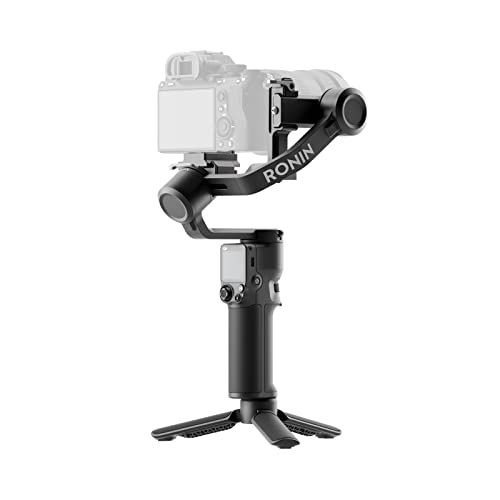
The DJI RS 3 Mini is a fantastic option for Sony A7C users who prioritize portability without sacrificing performance. It’s incredibly lightweight, making it easy to haul around for long shoots or travel vlogging. Don’t let its mini size fool you; this little powerhouse delivers pro-level stabilization, perfect for run-and-gun shooting or capturing smooth, low-angle shots. Its native vertical shooting capability is a huge bonus for social media creators, letting you switch orientations in a snap.
-
Key Features:
- 795g (1.75lbs) Lightweight and Portable
- Wide-Ranging Compatibility with up to 2 kg (4.4 lbs) payload
- Bluetooth Shutter Control for seamless operation
- 3rd-Gen RS Stabilization Algorithm for silky-smooth footage
- Native Vertical Shooting for social media content
- 1.4″ Full-Color Touchscreen with intuitive UI
- Requires DJI Ronin app for activation and full functionality
-
Pros:
- Extremely lightweight and travel-friendly
- Excellent stabilization performance for its size
- Quick and easy setup with Bluetooth shutter control
- Native vertical shooting is a game-changer for content creators
- Good payload capacity for the A7C and various lenses
-
Cons:
- Touchscreen can be a bit small for larger fingers
- Requires app for full functionality and firmware updates
User Impressions: Users love how compact and powerful this gimbal is. Many highlight its ease of use, making it a great entry point for those new to gimbals, while still delivering professional results. It’s often praised as the ultimate travel companion for mirrorless setups.
ZHIYUN CINEPEER WEEBILL 3E 3-Axis Gimbal Stabilizer for Cameras

The ZHIYUN CINEPEER WEEBILL 3E is another strong contender for the best gimbal for Sony A7C, offering a compact yet robust solution for content creators. What truly makes the Weebill 3E stand out is its commitment to user comfort and efficient shooting. Its redesigned ergonomic handle significantly reduces fatigue during extended use, which is a lifesaver for long shoots. Plus, the native vertical shooting is incredibly handy for quickly adapting to different social media platforms.
-
Key Features:
- Native Vertical Shooting with a quick-mount system
- Bluetooth Shutter Control for wireless camera operation
- Built-in 2600mAh batteries with 14W fast charging
- Lightweight at 1.05 kg (A4-sized)
- Comfortable handle design to reduce fatigue
- 3kg (6.6 lbs) payload capacity
-
Pros:
- Excellent ergonomics for comfortable long-term shooting
- Fast native vertical shooting conversion
- Solid battery life with quick charging
- Generous payload for a variety of lenses on the A7C
- Wireless camera control is highly convenient
-
Cons:
- Sling mode accessories (grip, wrist rest) not included in the standard package
- Learning curve for balancing can be a bit steep for beginners
User Impressions: Videographers appreciate the Weebill 3E’s robust build and the significant improvement in handling comfort compared to older models. Its ability to manage heavier lens setups on the A7C without breaking a sweat is a frequent highlight.
DJI RS 4 Mini, Gimbal Stabilizer for Cameras

Building on the success of its predecessors, the DJI RS 4 Mini takes ease of use and rapid deployment to the next level. The “Ready in 1s” auto axis locks are a game-changer, meaning you’re always prepared to capture those fleeting moments. For solo shooters or vloggers, the Intelligent Tracking module is incredibly powerful, ensuring your subject stays perfectly framed. This gimbal is designed for speed and responsiveness, adapting instantly to your shooting needs.
-
Key Features:
- Ready in 1 s with auto axis locks
- Intelligent Tracking Module for subject framing
- Teflon Enhanced Balancing for smoother adjustments
- Fast Vertical Switch (10 seconds)
- Responsive Follow Mode for dynamic scenes
- Supports up to 2kg (4.4lbs) payload
- Compatible with mirrorless cams, vlog cams, and phones
-
Pros:
- Incredibly fast setup with auto axis locks
- Intelligent tracking simplifies solo filming
- Smooth balancing process aids quick adjustments
- Rapid vertical mode switch is great for social media
- Responsive follow mode makes dynamic shots a breeze
-
Cons:
- DJI Ronin app removed from Google Play (requires direct download from DJI website)
- Payload capacity, while good, is the same as the RS 3 Mini
User Impressions: Users rave about the RS 4 Mini’s speed and efficiency. The auto axis locks and intelligent tracking are particularly praised for saving time and making complex shots easier for solo creators. It’s considered a fantastic all-rounder for hybrid shooters.
Essential Camera Cages & Base Plates for Enhanced A7C Stability
While the gimbals above are key, these accessories are crucial for protecting your Sony A7C and making it more adaptable and robust, especially when used with gimbals. They offer vital mounting points and often include Arca-type compatibility for seamless transitions.
SmallRig A7C Aluminum Alloy Full Cage Camera for Sony…

SmallRig is synonymous with camera rigging, and their A7C Aluminum Alloy Full Cage is a prime example of why. This new version addresses key user feedback, making it even better for the A7C. It provides robust protection and a plethora of mounting points without obstructing essential camera functions. What really makes this cage stand out is its seamless integration with DJI RS series gimbals thanks to the built-in Arca-type plate, allowing for lightning-fast transitions from handheld to stabilized shooting.
-
Key Features:
- New version with improved shoulder strap loop and RS2 stabilizer compatibility
- Secures to camera with 1/4″-20 screw and side locking system
- Built-in plate for Arca-type, compatible with DJI RS 2/RSC 2/RS 3/RS 3 Pro gimbals
- Multiple Installation Points: 1/4”-20, 3/8″ -16 ARRI locating holes, cold shoe mount
- Note: Requires removing split ring for side lock
- Compatible with SmallRig NP-FZ100 battery solution
-
Pros:
- Excellent camera protection
- Abundant mounting options for accessories
- Quick and easy mounting on DJI RS gimbals
- Improved design from previous versions
- Prevents camera twisting effectively
-
Cons:
- Side lock requires removing the camera’s split ring
- Adds a bit of bulk to the compact A7C
User Impressions: Customers love the robust build quality and the sheer versatility this cage adds to their A7C. The Arca-type compatibility for DJI gimbals is a huge selling point, making setup and breakdown incredibly efficient.
NEEWER A7C II A7CR Camera Cage, Aluminum Video Rig with…

NEEWERR’s full cage kit for the Alpha 7C II & Alpha 7CR is a thoughtfully designed accessory that combines protection with extensive expansion capabilities. It’s made from CNC machined aluminum, ensuring durability without adding excessive weight. A standout feature is its seamless Arca-type QR base, which is not only compatible with tripods but also directly with DJI RS series stabilizers, making transitions incredibly fluid. The included HDMI cable clamp is a small but mighty addition, preventing accidental disconnections during crucial shoots.
-
Key Features:
- Full cage kit compatible with Sony Alpha 7C II & Alpha 7CR
- Made of CNC machined aluminum alloy
- Seamless Switch Arca Type QR Base compatible with DJI RS 2/RSC 2/RS 3/RS 3 Pro
- Detachable HDMI Cable Clamp for stable signal transfers
- Affluent Accessory Mounting Points: 1/4″, 3/8″ ARRI holes, cold shoe, NATO rail
- Secure Installation Via Two Points (1/4″ bottom screw + anti-twist pin)
- Nonslip rubber pad protects camera
-
Pros:
- Robust protection for your camera
- Excellent compatibility with DJI RS gimbals via Arca-type base
- HDMI cable clamp is a thoughtful and practical inclusion
- Numerous mounting points for a fully rigged setup
- Secure and stable camera attachment
-
Cons:
- Specifically designed for A7C II/A7CR, may not fit original A7C perfectly (check compatibility carefully)
- Adds some bulk to the camera
User Impressions: Users praise this cage for its solid construction and the invaluable HDMI clamp. The direct Arca compatibility with DJI gimbals is highly appreciated, making it a professional choice for filmmakers.
SmallRig Full Cage with Silicone Side Handle for Sony…

This SmallRig full cage is specifically designed for the Sony A7C, with an eye towards enhancing the shooting experience beyond just protection. The standout feature here is the integrated ergonomic silicone grip, which drastically improves the handheld feel of the compact A7C. It’s perfect for vlogging or long shooting sessions where comfort is key. Like other SmallRig cages, it also boasts redesigned side locking and a built-in Arca-type plate for quick transitions to your gimbal setup.
-
Key Features:
- New version (3212B) with improved compatibility (e.g., ECM W2BT mic, flash HVL F32M)
- Ergonomic Silicone Grip for improved handling (removable)
- Redesigned Side Locking to prevent twisting
- Multiple Mounting Points: 1/4”-20, 3/8″ -16 ARRI holes, built-in cold shoe
- Built-in bottom plate for Arca-type, directly connects DJI RS 2/RSC 2/RS 3/RS 3 Pro gimbal
- Screwdriver Included for convenience
-
Pros:
- Significantly improves camera grip and comfort
- Excellent protection for the A7C
- Seamless compatibility with DJI RS gimbals
- Plenty of accessory mounting options
- Thoughtful improvements over older versions
- Handy integrated screwdriver
-
Cons:
- Adds noticeable bulk due to the grip
- The grip is removable, but using it means a less compact setup
User Impressions: Users consistently highlight the comfortable silicone grip as a major advantage, making the A7C feel more substantial and secure in hand. Its robust build and easy gimbal integration are also frequently praised.
SmallRig Base Plate for Sony A7C II/A7CR, Bottom Mount…

The SmallRig Base Plate 4338 for the Sony A7C II/A7CR is a minimalist yet highly effective accessory designed to enhance the camera’s grip and versatility, especially when interfacing with tripods and gimbals. It’s perfect if you want to retain the A7C’s compact nature but still need quick-release functionality and a better grip for your pinky finger. Its hinge arm design is a brilliant touch, allowing you to swap batteries without removing the plate—a small detail that makes a huge difference on set.
-
Key Features:
- Designed for Sony A7C II/A7CR (improves grip, quick switch)
- Quick-Release Plate for Arca compatible with DJI RS 2/RSC 2/RS 3/RS 3 Pro
- Multiple Expansion Interfaces: Rotatable Plate 4424 compatible, QD hole, wrist strap hole, 1/4″-20, 3/8″-16 threaded holes
- Hinge Arm Design for easy battery replacement
- Anti-Scratch: Built-in protective gasket and edge protrusions
- Built-in magnetic wrench for easy assembly
-
Pros:
- Greatly improves camera grip and comfort for compact cameras
- Allows for quick battery changes without removal
- Seamlessly integrates with DJI RS gimbals via Arca-type plate
- Provides basic protection to the camera bottom
- Retains the A7C’s compact form factor
-
Cons:
- Less protective than a full cage
- Primarily for A7C II/A7CR, check compatibility for original A7C
User Impressions: Users love the ergonomic improvement and the clever hinged battery door. The quick-release plate’s compatibility with DJI gimbals is a definite plus for fast-paced shooting. It’s often recommended for those who want gimbal compatibility and better grip without the bulk of a full cage.
Conclusion
Choosing the best gimbal for Sony A7C truly depends on your specific needs, shooting style, and budget. If you’re a run-and-gun shooter or travel vlogger, the DJI RS 3 Mini or RS 4 Mini offers unbeatable portability and performance. For those needing a bit more payload capacity and comfort for longer shoots, the ZHIYUN CINEPEER WEEBILL 3E is an excellent choice.
And remember, the right accessories can make all the difference. Pairing your gimbal with a quality SmallRig or NEEWER cage or base plate will not only protect your Sony A7C but also provide vital mounting points and seamless transitions, ensuring your setup is ready for any creative challenge. Ultimately, investing in the right stabilization gear will unlock a world of smooth, cinematic possibilities for your Sony A7C footage.
FAQ Section
Q1: Why do I need a gimbal for my Sony A7C?
A gimbal provides mechanical stabilization, counteracting unwanted movements (like walking or panning) to create incredibly smooth, professional-looking video footage. While the Sony A7C has in-body image stabilization (IBIS), a gimbal takes stability to a whole new level, especially for dynamic shots or when using certain lenses.
Q2: What’s the difference between a gimbal and a camera cage?
A gimbal is an electronic device that uses motors to stabilize your camera and prevent shake, allowing for smooth video. A camera cage is a metal frame that wraps around your camera, providing protection and multiple mounting points (like 1/4″-20 threads, cold shoes) for accessories such as monitors, microphones, and handles. Many cages also feature Arca-Swiss plates for quick mounting on gimbals.
Q3: How do I choose the best gimbal for Sony A7C?
Consider the following:
1. Payload Capacity: Ensure the gimbal can support the weight of your Sony A7C plus your heaviest lens.
2. Portability: If you travel frequently, look for lightweight and compact options like the DJI RS Mini series.
3. Features: Do you need native vertical shooting, intelligent tracking, or specific control options?
4. Battery Life: Longer battery life means fewer interruptions during shooting.
5. Ease of Use: Some gimbals are more beginner-friendly than others regarding balancing and operation.
Q4: Are the DJI RS Mini series gimbals compatible with the Sony A7C?
Yes, absolutely! The DJI RS 3 Mini and RS 4 Mini are excellent choices for the Sony A7C. Their payload capacity comfortably handles the A7C with most mirrorless lenses, and they offer specific features beneficial for hybrid shooters and vloggers.
Q5: What is an Arca-type quick-release plate and why is it important for gimbals?
An Arca-type quick-release plate is a standardized camera mounting system that allows you to quickly attach and detach your camera from tripods, monopods, and gimbals. Many camera cages and base plates for the A7C now feature a built-in Arca-type base, making it incredibly convenient to switch your camera between handheld, tripod, and gimbal setups like the DJI RS series.
Q6: Do I need a camera cage if I’m using a gimbal?
While not strictly necessary for the gimbal to function, a camera cage offers significant benefits. It protects your A7C from bumps and scratches, provides numerous mounting points for external monitors or microphones (which are often essential for pro video work), and often includes integrated Arca-type plates for faster gimbal mounting.
Q7: How do I balance my Sony A7C on a gimbal?
Balancing involves adjusting the camera’s position on each axis (tilt, roll, and pan) so that it remains level and still when the motors are off. Each gimbal will have slightly different steps, but generally, you’ll start with the tilt axis, then the roll, and finally the pan. It’s a crucial step that ensures optimal performance and prevents motor strain. Most gimbals come with detailed instructions or app-based guides for balancing.