If you own a Sony A7 III, you already know it’s a powerhouse for both stills and video. With its incredible low-light performance, robust autofocus, and stunning image quality, it’s a favorite among videographers and content creators. But even with its in-body image stabilization (IBIS), achieving truly cinematic, buttery-smooth footage often requires an external stabilizer: a gimbal.
A high-quality gimbal transforms shaky handheld shots into professional-looking, fluid movements, making it an indispensable tool for vlogging, documentary filmmaking, or just capturing life’s moments with a polished touch. Choosing the best gimbal for Sony A7 III can feel a bit overwhelming with so many options out there. That’s why we’re here to break down some of the top contenders specifically designed to pair perfectly with your A7 III, ensuring you get that smooth, stable footage you’ve been dreaming of.
We’ve focused on top-tier gimbals that offer excellent compatibility and features for your Sony A7 III. Let’s dive in and find the perfect stabilization companion for your camera!
Understanding Gimbal Compatibility for Sony A7 III
Before we jump into the reviews, it’s crucial to understand what makes a gimbal a good match for your A7 III. The primary factor is payload capacity. Your gimbal needs to be able to comfortably support the weight of your Sony A7 III body plus the lens you plan to use. Other considerations include battery life, ease of balancing, advanced features like tracking modes, and overall portability.
The Best Gimbals for Sony A7 III
DJI RS 3 Mini, 3-Axis Gimbal Stabilizer for Cameras
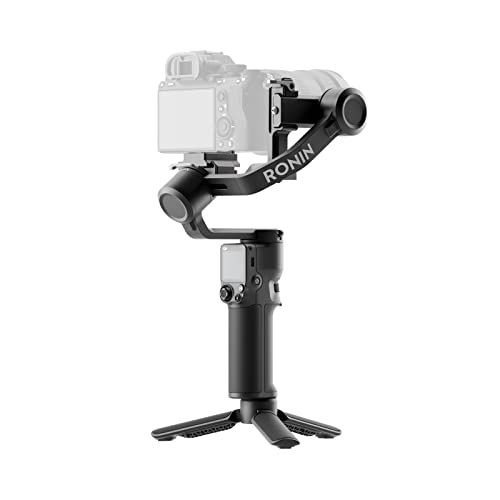
The DJI RS 3 Mini is an absolute game-changer for solo creators and run-and-gun shooters looking for pro-level stabilization without the bulk. It’s incredibly lightweight and compact, making it the perfect travel companion, yet it punches above its weight in terms of performance. What truly makes it stand out is its balance of portability and power, effortlessly handling your Sony A7 III with various lenses, and introducing native vertical shooting – a huge win for social media content.
-
Key Features:
- 795g (1.75lbs) Lightweight and Portable design, ideal for extended shooting.
- Wide-Ranging Compatibility with a load capacity of up to 2 kg (4.4 lbs).
- Bluetooth Shutter Control for seamless photo and video recording.
- 3rd-Gen RS Stabilization Algorithm delivers professional image stabilization.
- Native Vertical Shooting by simply mounting the quick-release plate to the vertical arm.
- 1.4″ Full-Color Touchscreen with intuitive UI for easy access to settings.
- Requires DJI Ronin app for activation and full functionality.
-
Pros:
- Extremely portable and lightweight, reducing fatigue during long shoots.
- Excellent stabilization performance, even in challenging conditions.
- Quick and easy setup, including native vertical shooting.
- Intuitive touchscreen interface enhances user experience.
-
Cons:
- Lower payload capacity compared to larger gimbals (though sufficient for A7 III + many lenses).
- Requires app activation for full features, which might be an extra step for some.
User Impressions: Users frequently praise the RS 3 Mini for its “incredible portability” and “surprisingly powerful stabilization.” Many A7 III owners appreciate how easily it handles their setups and the convenience of the vertical shooting mode for platforms like TikTok and Instagram Reels. Its quick balancing and user-friendly interface are also commonly highlighted.
FeiyuTech SCORP-C Camera Stabilizer 3-Axis
![FeiyuTech SCORP-C [Official] Camera Stabilizer 3-Axis...](https://m.media-amazon.com/images/I/41cuk84JumL._SL500_.jpg)
/ 
The FeiyuTech SCORP-C offers a fantastic balance of robust payload capacity, versatile features, and an ergonomic design that makes shooting comfortable. It’s designed to be a workhorse, easily handling your Sony A7 III with heavier lenses, making it a strong contender for those needing extra versatility. Its unique integrated handle grip and thoughtful design elements like motor locks and a memory slider truly elevate the user experience, allowing for quick setup and consistent results.
-
Key Features:
- Upgraded Payload capacity of up to 5.51 lbs, compatible with a wide range of mirrorless and DSLR cameras, including the Sony A7 III.
- Integrated Handle Grip offers comfortable underslung and upright shooting.
- Multi-Functional Knob Ring for controlling camera focus and gimbal axis.
- Tilted handle holding for superior ergonomics and comfort.
- Integral folding aileron bracket allows you to set it down anywhere without a tripod.
- Three-axis motor lock for secure transportation and easier balancing.
- Arca Quick Release Plate for fast camera attachment.
- Powerful Key for easy mode switching and unlocking professional features.
- Advanced shooting modes: AB Trajectory Memory, Flash Mode, Panoramic, Time-lapse, Space Mode, Vertical-shooting.
- Efficient 2500mAh Battery provides 10-13 hours runtime with 18W fast charging support.
-
Pros:
- High payload capacity accommodates heavier A7 III setups.
- Excellent ergonomic design for comfortable extended use.
- Comprehensive suite of intelligent shooting modes for creative control.
- Quick release plate and motor locks speed up setup and breakdown.
- Impressive battery life with fast charging.
-
Cons:
- Slightly heavier and larger than ultra-compact gimbals.
- The number of features might require a learning curve for beginners.
User Impressions: A7 III users love the SCORP-C for its “solid build quality” and “ability to handle larger lenses with ease.” Many highlight the integrated handle and the convenient motor locks as standout features that streamline their workflow. The long battery life is also a frequently praised aspect, allowing for all-day shoots without worrying about power.
Important Note on Other Products:
You might have noticed that the initial list included a camera cage (Andoer Camera Rig Stabilizer) and the Sony A7 III camera itself. While these are essential tools for a videographer, they are not gimbals and therefore do not provide stabilization in the same way. A camera cage is a mounting accessory for adding peripherals, and the Sony A7 III is, of course, the camera itself! This article specifically focuses on the best gimbal for Sony A7 III to help you achieve incredibly smooth, stabilized video footage.
Choosing the Right Gimbal for Your Sony A7 III: Key Considerations
When making your final decision on the best gimbal for Sony A7 III, consider these points:
- Payload Capacity: Always double-check that the gimbal can support your A7 III plus your heaviest lens. Don’t forget accessories like external microphones or small monitors if you plan to use them.
- Portability & Weight: Are you a run-and-gun shooter who needs something ultra-light? Or do you prioritize heavy-duty performance and don’t mind a bit more weight?
- Battery Life: For long shooting days, a gimbal with extended battery life and fast charging capabilities is a huge plus.
- Ease of Use & Balancing: Some gimbals are quicker to balance than others. Look for features like axis locks and quick-release plates that simplify setup.
- Advanced Features: Do you need active tracking, panorama modes, time-lapse, or specific follow modes? Consider what creative options are important to your workflow.
- Ergonomics: How does the gimbal feel in your hand? Is it comfortable for prolonged use? Features like integrated handles or comfortable grips can make a big difference.
Frequently Asked Questions (FAQ)
Q1: Do I really need a gimbal for my Sony A7 III with its in-body image stabilization (IBIS)?
A1: While the A7 III’s IBIS is excellent for handheld stills and light video, a 3-axis gimbal provides superior stabilization for dynamic video shots. It eliminates shake and wobble even when moving quickly, resulting in truly cinematic, buttery-smooth footage that IBIS alone cannot achieve.
Q2: How do I know if my lens is too heavy for a specific gimbal?
A2: Check the “payload capacity” of the gimbal and compare it to the combined weight of your Sony A7 III camera body (around 650g / 1.44 lbs) and the heaviest lens you plan to use. Always ensure there’s a little headroom, as some gimbals perform better slightly below their max payload.
Q3: Is it difficult to balance a gimbal?
A3: Modern gimbals like the DJI RS 3 Mini and FeiyuTech SCORP-C have made balancing much simpler with features like axis locks and quick-release plates. While there’s a small learning curve, most users can get their gimbal balanced within minutes after a few tries. Many manufacturers also provide helpful video tutorials.
Q4: Can I control my Sony A7 III camera through the gimbal?
A4: Yes, most modern gimbals offer camera control features, often via a wired connection or Bluetooth. This allows you to start/stop recording, take photos, and sometimes adjust settings directly from the gimbal’s controls, which is incredibly convenient. Always check the gimbal’s compatibility list for specific camera models and functions.
Q5: What’s the difference between a gimbal and a tripod?
A5: A tripod provides static stability, holding your camera completely still for locked-off shots. A gimbal, on the other hand, provides dynamic stabilization, allowing you to move your camera smoothly while walking, running, or performing complex camera movements, keeping your footage free from shakes and jitters.
Q6: Are these gimbals suitable for both professional and amateur use?
A6: Absolutely! Both the DJI RS 3 Mini and FeiyuTech SCORP-C are versatile enough for a wide range of users. Their user-friendly designs make them accessible for beginners looking to elevate their video quality, while their advanced features and robust performance meet the demands of professional videographers and content creators.
Q7: Can I mount accessories like a microphone or a monitor on these gimbals?
A7: Yes, many gimbals, including these two, offer mounting points (like 1/4″-20 screw holes or cold shoe mounts) where you can attach external microphones, small field monitors, or LED lights to enhance your shooting setup. Always check the gimbal’s specific accessory mounting options and payload limitations.
Conclusion
Picking the best gimbal for Sony A7 III truly comes down to your specific needs and shooting style. If you prioritize extreme portability and convenience for social media content, the DJI RS 3 Mini is an outstanding choice. However, if you need a higher payload capacity, extended battery life, and a wealth of advanced features for more demanding professional work, the FeiyuTech SCORP-C is a robust and highly capable option.
Both of these gimbals are fantastic partners for your Sony A7 III, ready to help you capture breathtakingly smooth and stable footage that will impress your audience. Invest in one of these stabilizers, and watch your video production quality soar!