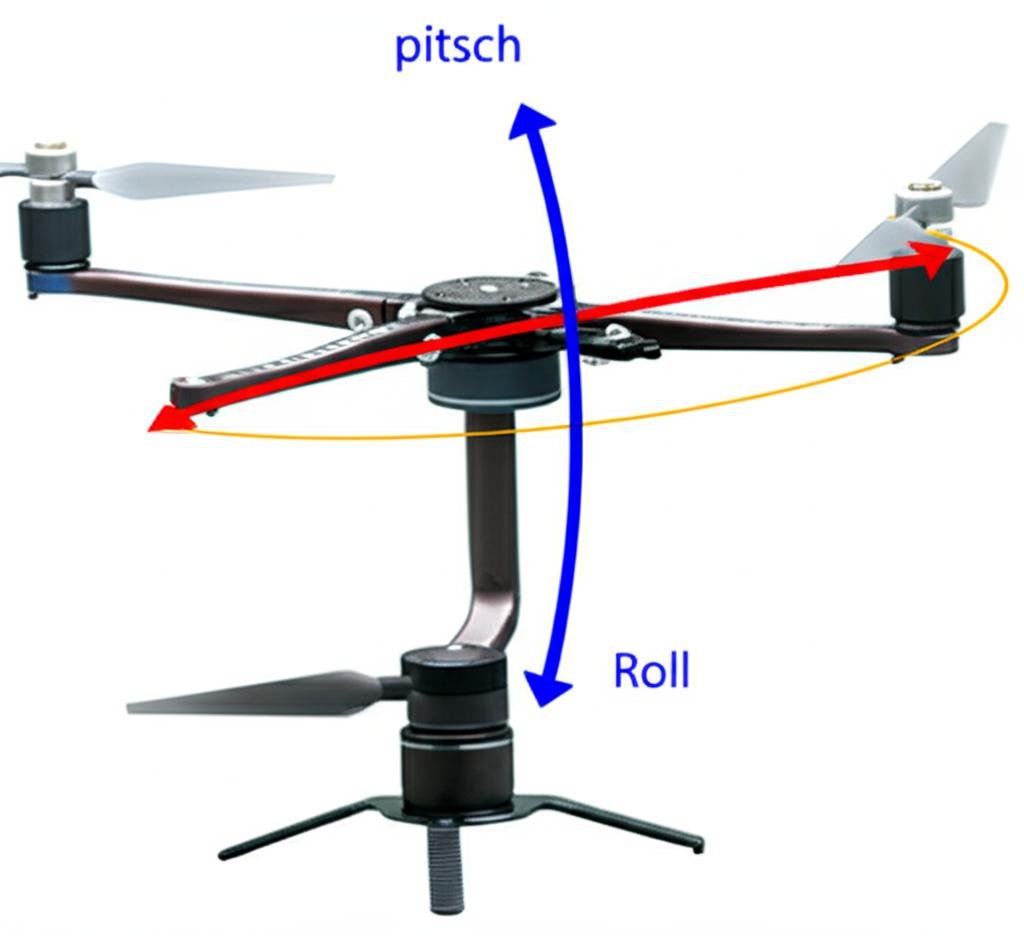
< strong > A gimbal cannot fully replace a tripod, but they serve complementary roles in photography and videography. Gimbals stabilize motion for smooth footage, while tripods provide static stability for sharp, steady shots. Understanding their differences helps you choose the right tool for your needs. < /strong >
This is a comprehensive guide about can gimbal replace tripod.
Key Takeaways
- Gimbals excel at stabilizing moving cameras: Ideal for action shots, travel vlogging, and dynamic scenes.
- Tripods offer unparalleled static stability: Perfect for long exposures, low-light photography, and time-lapses.
- Gimbals require power and movement: They need batteries and active stabilization, unlike passive tripod legs.
- Tripods are more versatile for weight limits: Can support heavier lenses without strain, while gimbals have payload restrictions.
- Combining both tools maximizes flexibility: Use a tripod for setups needing absolute stillness and a gimbal for fluid movement.
- Cost differs significantly: Gimbals are pricier than basic tripods, but mid-range options bridge the gap.
—
[FEATURED_IMAGE_PLACEHOLDER]
Can Gimbal Replace Tripod?
Introduction
If you’re a photographer or videographer, you’ve likely faced the dilemma: Can I ditch my tripod for a gimbal? Both tools promise stability—but in very different ways. Gimbals are like magic wands that keep footage smooth even when you move, while tripods lock everything down perfectly for static shots. The short answer? No, a gimbal won’t replace a tripod entirely, but they work together brilliantly.
In this article, we’ll break down how each tool functions, where they shine (or flop), and when to use one over the other. Think of it as comparing a sports car (gimbal) to a truck (tripod)—both get you there, just with different strengths!
—
1. What Is a Gimbal vs. a Tripod?
How a Gimbal Works
A gimbal is a motorized stabilizer that counteracts camera shake by adjusting angles in real-time. It’s commonly used for smartphones, mirrorless cameras, and DSLRs. Popular models include the DJI OM 5 and Zhiyun Smooth 6. Key features:
- 3-axis stabilization: Controls pitch, roll, and yaw for ultra-smooth motion.
- Active tracking: Some gimbals follow subjects automatically via AI.
- Variable speed modes: From slow pans to rapid shakes, adjust to any style.
How a Tripod Works
A tripod is a mechanical stand with three legs that locks your camera in place. Unlike gimbals, it doesn’t move—it holds. Essential for:
- Static shots: Portraits, landscapes, astro photography.
- Long exposures: Nightscapes, light trails.
- Lenses with heavy weight: Telephoto primes, super-teleconverters.
—
2. When to Use a Gimbal Over a Tripod
Videography Scenarios
Gimbals dominate these situations:
- Travel vlogging: Follow your steps while walking through streets.
- Action shots: Drone-like movements from a gimbal-mounted phone.
- Interviewing subjects: Keep focus on a person moving freely.
- Smooth pans/zoom-ins: No shaky edges in professional videos.
Pro Tip:
For hybrid shots, try mounting a gimbal onto a tripod. This lets you start with perfect framing on the tripod, then add dynamic movement later.
—
3. Why a Tripod Still Rules
Photography Advantages
Here’s why tripods are indispensable:
- Sharpness: Eliminates even micro-shake for tack-focus photos.
- Low-light mastery: Reduces noise in long-exposure shots (e.g., Milky Way).
- Time-lapses: Automate sequences with intervalometers.
- Heavy gear: Support telephoto lenses (400mm+) without wobbling.
Real-World Example:
A landscape photographer might use a tripod for a starry night shot. Adding a gimbal here would defeat the purpose—stars need absolute stillness!
—
4. Limitations & Trade-offs
Gimbal Downsides
- Battery drain: Motors wear out faster; always carry spares.
- Payload limits: Most max out at ~2kg (4.4 lbs).
- Noisy motors: Not ideal for quiet environments (e.g., weddings).
- Setup complexity: Requires balancing the camera correctly.
Tripod Shortcomings
- No movement: Static-only, so no handheld stabilization.
- Bulkiness: Hard to pack for on-the-go shooting.
- Weight: Heavy carbon-fiber tripods can be cumbersome.
—
5. Best Practices: Combining Both Tools
Workflow Tips
Master these techniques to maximize efficiency:
- Shoot rough frames first: Set构图 on a tripod, then switch to gimbal for fine-tuning.
- Use a monopod: For quick stabilization between tripod and gimbal.
- Invest in adapters: Mount gimbals to tripod heads for hybrid setups.
Example Workflow:
1. Lock in a perfect angle on the tripod.
2. Attach the gimbal for smooth pans around the scene.
3. Reattach to the tripod for static shots in the same session.
—
Conclusion
Gimbals and tripods aren’t competitors—they’re teammates! While gimbals make moving footage magical, tripods are the silent heroes behind every crisp, still image. The key is knowing which tool fits each scenario. Whether you’re chasing waves with a gimbal or capturing dawn’s glow on a tripod, mastering both expands your creative possibilities.
So go forth—experiment, combine, and create. Happy shooting!
—
Quick Answers to Common Questions
Question 1?
Can I use a gimbal instead of a tripod for portraits? Answer: Not ideal. Tripods ensure razor-sharp focus, especially in low light, while gimbals introduce slight movement that may blur details.
Question 2?
Do all gimbals work with full-frame cameras? Answer: No. Check compatibility—some only support mirrorless phones, while others handle DSLRs up to 3.5kg (7.7 lbs).
Question 3?
Is a $100 gimbal worth buying? Answer: Entry-level models (e.g., DJI Osmo Mobile 3) are great for beginners but lack pro features like 6-axis stabilization.
Question 4?
What’s the difference between a slider and a tripod? Answer: Sliders (like DJI RS 3 Pro) blend linear motion with stability, while tripods offer zero movement.
Question 5?
Can I stabilize a tripod for handheld shots? Answer: No, but adding a fluid head (e.g., Wimberley) reduces shake when moving slightly.
Frequently Asked Questions
Are gimbals waterproof?
Some premium gimbals (e.g., Zhiyun WeeBee X) are IPX-rated for rain or dust, but most aren’t designed for submersion.
Do tripods affect autofocus?
Most modern cameras ignore tripods, but older models may struggle with AF unless manually overridden.
Can I use a gimbal underwater?
Only if it’s rated for waterproofing and you pair it with an underwater housing case.
Which is better for astrophotography: gimbal or tripod?
A tripod is non-negotiable. Even the best gimbal can’t match the precision needed for long-exposure star trails.
How do I clean gimbal motors?
Use compressed air to remove dust, and avoid lubricants—most motors are sealed.