Tripod gimbal heads can be excellent for telephoto lenses when properly matched to weight and balance needs. They offer superior stability and smooth rotation compared to ball heads, but require careful setup to avoid wobble or strain on your gear.
—
[FEATURED_IMAGE_PLACEHOLDER]
Introduction
Photographers often face a dilemma: are tripod gimbal heads good for telephoto lenses? Telephoto lenses—especially heavy ones like 400mm f/2.8—demand rock-solid stabilization to avoid blurry images from even slight vibrations. While many opt for traditional ball heads, gimbal heads promise smoother tracking and better load handling. But do they live up to the hype? Let’s break it down.
In this guide, we’ll explore:
- How gimbal heads work vs. ball heads
- Key factors in matching gimbals to telephoto lenses
- Practical setup tips for minimal wobble
- Real-world scenarios where gimbals shine (or fail)
What Is a Gimbal Head? How It Works
The Basics of Gimbal Mechanics
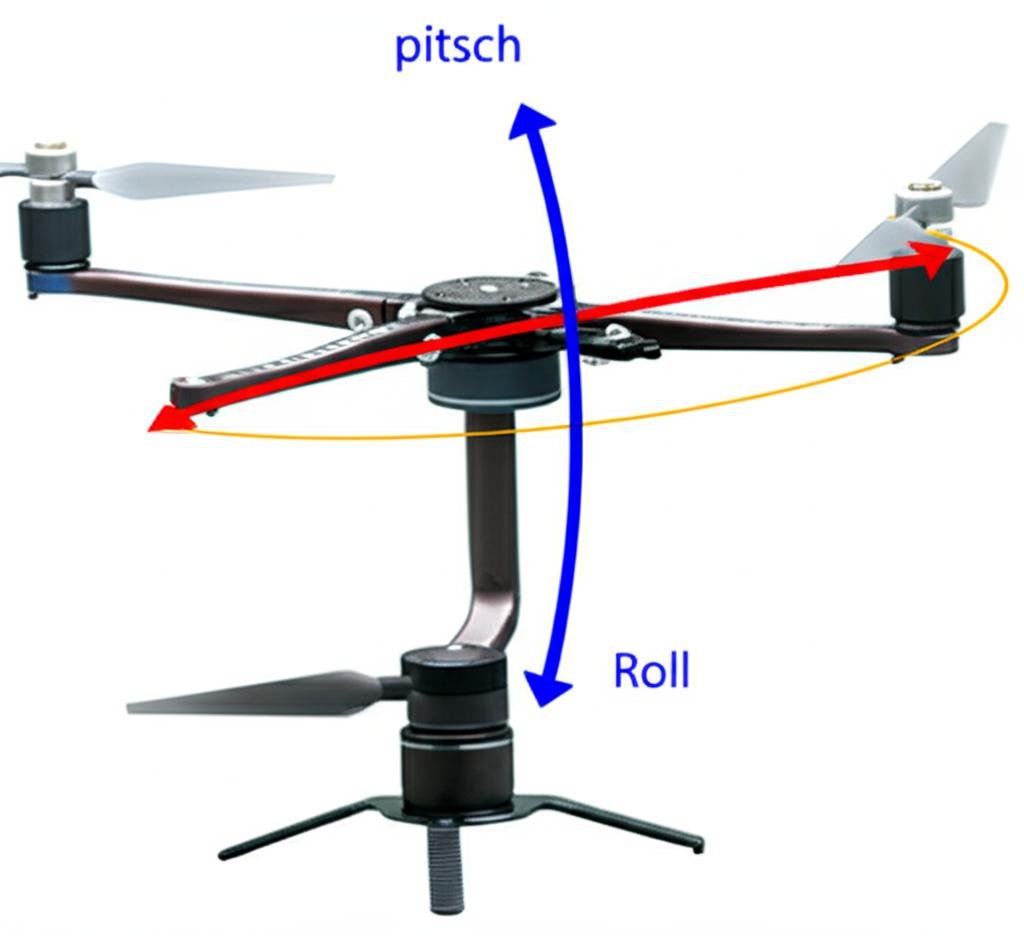
A gimbal head uses three perpendicular axes (pitch, yaw, roll) to support your lens. Unlike ball heads, which rely on a spherical bearing, gimbals distribute weight across multiple points, reducing pressure on any single pivot. This design excels at carrying heavy loads while maintaining fluid movement.
Why Gimbals for Telephoto Lenses?
Telephoto lenses pack immense weight into compact frames. A 600mm f/4 lens might weigh 10 lbs alone! Here’s how gimbals help:
- Weight distribution: Evenly spreads load to prevent stress on the tripod leg.
- Smooth rotation: Ideal for tracking fast-moving subjects (birds, wildlife).
- Quick adjustments: Easily reorient without losing balance.
Gimbal Heads vs. Ball Heads: Key Differences
Stability Under Load
Ball heads excel for lighter lenses (e.g., 70-200mm f/2.8), but gimbals outperform at extremes. For example:
- Ball head: May flex under a 400mm f/2.8, causing micro-vibrations.
- Gimbal: Stays rigid even with 5+ lbs of gear.
Ease of Use
Gimbals require more setup (balancing is critical!), but once dialed in, they offer unmatched control. Ball heads are plug-and-play but lack precision for heavy optics.
Matching Gimbals to Telephoto Lenses: Pro Tips
1. Weight Capacity First
Always check the gimbal’s max load. For instance:
- Entry-level gimbals: Often rated for 5–8 lbs (good for 300mm f/2.8).
- Professional models: Handle 15+ lbs (perfect for 600mm f/4).
2. Balance Like a Pro
Imbalance causes wobble! Here’s how to fix it:
- Hang your lens from the gimbal’s hook without the tripod attached.
- Adjust knobs until the head hangs perfectly level (no tilt needed).
- Test on your tripod—it should stay stable without manual tweaks.
3. Choose the Right Mount
Lens compatibility matters:
- DSLR/mirrorless: Look for ARCA or quick-release plates.
- Rugged use: Opt for metal gimbals over plastic ones.
Common Pitfalls & How to Avoid Them
Wobble from Improper Setup
A frequent issue occurs when:
- Balancing is off (e.g., too much tension on one knob).
- The tripod isn’t sturdy enough (use carbon fiber for heavy loads).
Solution:
Invest in a high-quality tripod (e.g., Wimberley, Manfrotto) and practice balancing in low-light conditions.
Excessive Noise
Gimbals can make clicking sounds during adjustment. To mute:
- Use rubberized knobs.
- Apply lubricant sparingly (avoid silicone sprays).
Real-World Scenarios: When Gimbals Shine
Birdwatching at Dawn
Example: Tracking a falchion at 300 yards. A gimbal’s smooth rotation lets you follow subtle movements without missing the shot.
Sports Photography
For football or soccer, a gimbal’s quick reorientation helps lock onto players mid-run. Pair with a remote trigger for hands-free operation.
Landscape + Telephoto Combo
Shoot a distant mountain range at 200mm? A gimbal keeps focus steady while adjusting composition on the fly.
Conclusion: Are Gimbals Worth It?
Yes—but only if:
- You shoot with long, heavy lenses frequently.
- You’re willing to invest time in balancing.
- You pair them with a solid tripod system.
- Understanding are tripod gimbal heads good for telephoto lenses: Provides essential knowledge
For casual users, a ball head may suffice. But for pros pushing boundaries, gimbal heads deliver the precision and stability telephoto lenses demand.
—
### QUICK Q&A
Question 1?
Answer: Not necessarily. Ball heads work well for lighter lenses (e.g., 70-200mm), but gimbals excel with heavier telephotos (400mm+). Match the head type to your gear’s weight.
Question 2?
Answer: Yes! Heavy gimbals (like the Wimberley WH-200) handle 15+ lbs, perfect for 600mm f/4. Always check the manufacturer’s specs.
Question 3?
Answer: Practice balancing by hanging your lens from the gimbal’s hook until it stays level. Adjust knobs symmetrically.
Question 4?
Answer: Invest in a carbon-fiber tripod (e.g., Vanguard VEO 244AB) to support the gimbal’s weight without sagging legs.
Question 5?
Answer: No. Some gimbals (like older models) struggle with ultra-heavy lenses (>20 lbs). Upgrade to a pro-grade model if needed.
—
### FAQs
Can I use a gimbal head with a mirrorless camera?
Absolutely! Most modern gimbals support mirrorless mounts (EF-RF adapters available for DSLRs). Ensure the plate fits your camera body.
Do gimbals improve low-light performance?
Indirectly. Stability reduces shake, allowing slower shutter speeds without blur—great for dawn/dusk shooting.
How long does a gimbal last?
With care, 5–10 years. Lubricate pivots annually and avoid rough handling. Metal gimbals last longer than plastic ones.
Are gimbals expensive?
Mid-range ($300–$800) covers most needs. Pros spend $1,000+ for top-tier models like the Wimberley WH-200.
What’s the difference between a pan head and a gimbal head?
A pan head has one axis (rotation only). Gimbals add pitch/yaw control for full 3D movement—essential for telephoto work.
Can I use a gimbal head without a tripod?
No. Gimbals rely on a stable base for balance. Use them only on tripods or monopods with proper load capacity.
This is a comprehensive guide about are tripod gimbal heads good for telephoto lenses.
Key Takeaways
Quick Answers to Common Questions
What is are tripod gimbal heads good for telephoto lenses?
are tripod gimbal heads good for telephoto lenses refers to essential knowledge and techniques.
Frequently Asked Questions
What is are tripod gimbal heads good for telephoto lenses?
are tripod gimbal heads good for telephoto lenses is an important topic with many practical applications.