So, you’ve got a fantastic Canon DSLR, and you’re ready to take your video content to the next level. But let’s be real, hand-held footage can often look shaky and unprofessional, even with the steadiest hands. That’s where a gimbal comes in! A good gimbal stabilizer can transform your wobbly shots into buttery-smooth, cinematic masterpieces, making your Canon DSLR truly shine.
Choosing the best gimbal for Canon DSLR cameras isn’t always straightforward. With so many options out there, how do you pick the right one that perfectly balances your camera, lens, and shooting style? Don’t worry, we’ve got you covered! We’ve hand-picked five top-notch gimbals that are excellent choices for Canon DSLR users, helping you capture stunning, stable footage every time. Let’s dive in!
1. DJI RS 3 Mini, 3-Axis Gimbal Stabilizer for Cameras
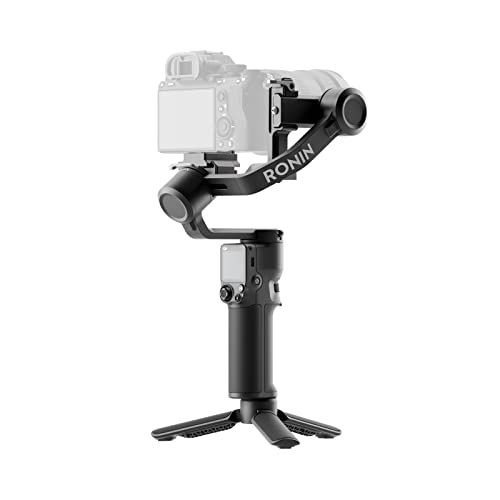
The DJI RS 3 Mini is a fantastic entry for Canon DSLR users who prioritize portability without sacrificing performance. This ultra-compact gimbal is incredibly lightweight, making it an ideal companion for travel vloggers, indie filmmakers, or anyone who needs to shoot on the go without being weighed down. Don’t let its size fool you; it packs a punch with DJI’s renowned stabilization algorithm, ensuring your footage looks incredibly smooth and professional, whether you’re chasing subjects or filming in tight spaces.
-
Key Features:
- 795g (1.75lbs) Lightweight and Portable
- Load capacity up to 2 kg (4.4 lbs) for wide camera/lens compatibility
- Bluetooth Shutter Control for easy photo and video capture
- 3rd-Gen RS Stabilization Algorithm for pro-level stability
- Native Vertical Shooting for social media content
- 1.4″ Full-Color Touchscreen with intuitive UI
- Requires DJI Ronin app for activation and full functionality
-
Pros:
- Extremely lightweight and travel-friendly
- Excellent stabilization performance for its size
- Quick and easy setup with native vertical shooting
- User-friendly touchscreen interface
- Good payload capacity for many Canon DSLR setups
-
Cons:
- May not handle very heavy Canon DSLR setups with large lenses
- Relies on the DJI Ronin app for full functionality, which needs to be downloaded from the DJI website for Android users.
-
User Impressions: Users absolutely rave about the RS 3 Mini’s portability and how it drastically improves their handheld footage. Many highlight its ease of use for quick shooting, making it a favorite for solo creators and run-and-gun scenarios. It’s a true game-changer for those who find larger gimbals too cumbersome.
2. DJI RS 4 Pro Combo, 3-Axis Gimbal Stabilizer for Cameras

If you’re a serious videographer or professional filmmaker using a high-end Canon DSLR or even cinema cameras, the DJI RS 4 Pro Combo is built to impress. This beast of a gimbal offers an unparalleled level of stability and control, designed to handle heavier rigs with ease. Its increased motor torque and advanced features like LiDAR focusing and remote dual focus/zoom control make it a powerhouse for complex shoots, giving you precision and flexibility that’s hard to beat. This is one of the best gimbal for Canon DSLR users looking for a pro-grade solution.
-
Key Features:
- 2nd-Gen Native Vertical Shooting for effortless social content
- 4.5kg (10lbs) Payload Capacity with 20% Increase in Motor Torque
- Remote Dual Focus & Zoom Motor Control via new joystick mode switch
- LiDAR Focusing with 76,800 Ranging Points within 20m for intelligent autofocus
- Extensive Video Transmission Ecosystem
- Up to 29-hour Battery Runtime with optional BG70 High-Capacity Battery Grip
- Combo includes Gimbal, BG30 Battery Grip, Ronin Image Transmitter, Focus Pro Motor, and more
-
Pros:
- Exceptional payload capacity for heavy Canon DSLR and cinema setups
- Advanced focusing and control features for professional productions
- Robust build quality and powerful motors
- Long battery life for extended shoots
- Comprehensive combo package offers great value for pros
-
Cons:
- Significantly heavier and larger than mini gimbals
- Higher price point, geared towards professionals
- Android users need to download the DJI Ronin app from the official DJI website.
-
User Impressions: Professionals consistently praise the RS 4 Pro for its immense power and precision. Filmmakers particularly appreciate the LiDAR focusing system for accurate pulls and the extended battery life. It’s often described as a reliable workhorse for demanding projects, allowing them to achieve cinematic shots with their Canon DSLRs effortlessly.
3. ZHIYUN CINEPEER Weebill 3E[Official], 3-Axis Lightweight
![ZHIYUN CINEPEER Weebill 3E[Official], 3-Axis Lightweight...](https://m.media-amazon.com/images/I/41+kdEh7b2L._SL500_.jpg)
The ZHIYUN CINEPEER Weebill 3E is an excellent contender for Canon DSLR users seeking a blend of high payload and compact design. Weighing just over 1kg, it strikes a sweet spot between portability and capability, supporting up to 3kg of gear. What really sets it apart is its ergonomic design, featuring a comfortable handle that aims to reduce fatigue during those long shooting days. It’s perfect for creators who need reliable stabilization without breaking their backs or their bank.
-
Key Features:
- 3 kg (6.6 lbs) Payload, weighing only 1.05 kg
- A4 paper-sized (12 × 8 × 3 in) lightweight and portable design
- Native Vertical Shooting without extra accessories
- Optional 2.5 Sling Mode with wrist rest and telescopic sling grip for reduced fatigue
- Bluetooth Shutter Control for wireless camera operation
- 16H Max Battery Life with 14W PD fast charging (2h 46m full charge)
- Wide-axis arm compatible with major mirrorless/DSLR cameras and lenses
-
Pros:
- Impressive payload for its relatively lightweight body
- Ergonomic handle design enhances comfort during long shoots
- Quick and easy native vertical shooting
- Excellent battery life with fast charging capabilities
- Very portable, fitting easily into camera bags
-
Cons:
- Sling grip and wrist rest for 2.5 Sling Mode are sold separately
- Only includes Panasonic control cable; Canon users need to purchase a separate control cable.
-
User Impressions: Many users appreciate the Weebill 3E’s balance of power and portability, often noting how comfortable it feels even after hours of use. Its quick setup and vertical shooting capabilities are frequently highlighted as major time-savers, making it a solid choice for Canon DSLR videographers who shoot diverse content.
4. FeiyuTech SCORP-C Gimbal Stabilizer for Cameras DSLR and

The FeiyuTech SCORP-C stands out with its integrated hanging handle and unique design, offering incredible versatility in how you hold and operate your Canon DSLR. Whether you’re shooting upright, underslung, or need to quickly set it down, the SCORP-C has a solution. Its thoughtful features, like the three-axis motor lock and memory slider, streamline the balancing process, allowing you to spend less time setting up and more time capturing dynamic, stable footage. It’s a workhorse for diverse shooting scenarios.
-
Key Features:
- Compatible with mainstream mirrorless and DSLR camera & lens combos (includes Canon 5D3/5D4/80D/90D/M50)
- Integrated hanging handle for versatile shooting angles
- Tilted handle holding for ergonomic comfort
- Integral folding aileron bracket allows it to be set down anywhere without a tripod
- Considerate design for easier installation and leveling (3-axis motor lock, 5-way CG adjustment, memory slider, Arca Quick Release Plate)
- Powerful Key to switch to professional modes
- Complex shots easily achieved: AB Trajectory Memory, Flash Mode, Panoramic Photography, Time-lapse, Space Mode, Vertical-shooting Mode
- 2500mah Efficient Battery: 10-13 Hour maximum runtime with 18W fast charging
-
Pros:
- Highly versatile due to its unique integrated handle and resting bracket
- Streamlined balancing process with clever design features
- Supports a good range of Canon DSLR cameras
- Offers advanced shooting modes for creative control
- Decent battery life with fast charging support
-
Cons:
- Payload capacity might be slightly less than some competitors for very heavy Canon setups
- Some unique design elements may require a slight learning curve.
-
User Impressions: Users love the ergonomic feel of the SCORP-C and its integrated handle, which makes low-angle shots far more comfortable. The intelligent features like AB Trajectory memory are big hits for repetitive or complex movements. Many appreciate how robust and reliable it feels in the hand.
5. FeiyuTech SCORP-C [Official] Camera Stabilizer 3-Axis
![FeiyuTech SCORP-C [Official] Camera Stabilizer 3-Axis...](https://m.media-amazon.com/images/I/41cuk84JumL._SL500_.jpg)
This “Official” listing for the FeiyuTech SCORP-C highlights key upgrades and continued compatibility, making it an even stronger option for Canon DSLR users. While sharing the core strengths of the SCORP-C mentioned above, this version boasts an upgraded payload capacity and solidifies the integrated handle grip as a standard feature, removing the need for additional accessories. The multi-functional knob ring is a standout, offering precise control over camera focus or gimbal axis directly from the stabilizer, giving you an intuitive workflow right at your fingertips.
-
Key Features:
- Upgraded Payload from 4.85 lbs to 5.51 lbs (approx. 2.5kg) for compatible cameras
- Integrated Handle Grip (no longer an optional accessory)
- Multi-Functional KNOB RING to control camera focus and gimbal axis
- Compatible with mainstream mirrorless and DSLR camera & lens combos, including a wide range of Sony, Canon, Nikon, and Fujifilm models.
-
Pros:
- Improved payload capacity supports more Canon DSLR and lens combinations
- Integrated handle design is highly ergonomic and convenient
- Multi-functional knob provides precise control over crucial settings
- Excellent compatibility with a broad range of cameras
- Solidifies the user-friendly design of the SCORP-C series
-
Cons:
- Still might not be suitable for the absolute heaviest cinema camera setups
- Requires checking the detailed compatibility list for specific Canon models and lenses.
-
User Impressions: Users appreciate the enhanced payload, allowing them to mount a wider array of lenses on their Canon DSLRs. The integrated handle is a consistent favorite for its comfort and versatility. The multi-functional knob receives high praise for its tactile control and efficiency during shoots, making adjustments on the fly much smoother.
Frequently Asked Questions (FAQ) About Gimbals for Canon DSLRs
Q1: Why do I need a gimbal for my Canon DSLR?
A: While Canon DSLRs often have good in-body or lens stabilization, a 3-axis gimbal provides superior stability by counteracting motion across all axes (pan, tilt, roll). This results in incredibly smooth, professional-looking footage, eliminating shakiness even when you’re walking, running, or shooting from unconventional angles. It’s essential for achieving that cinematic feel in your videos.
Q2: What is “payload capacity” and why is it important for my Canon DSLR?
A: Payload capacity refers to the maximum weight a gimbal can effectively stabilize. It’s crucial because you need to ensure the gimbal can handle the combined weight of your Canon DSLR camera body and the heaviest lens you plan to use. Exceeding the payload limit can lead to poor stabilization, motor strain, and potentially damage to the gimbal or camera. Always check your camera and lens weight before purchasing.
Q3: Are gimbals difficult to use and balance?
A: Initially, there’s a slight learning curve. You’ll need to physically balance your Canon DSLR on the gimbal, which involves adjusting sliding plates until the camera is perfectly level and doesn’t tilt in any direction without power. However, modern gimbals often feature quick-release plates, motor locks, and even auto-calibration functions that significantly simplify the process, making it much faster once you get the hang of it.
Q4: Can I use these gimbals with other camera brands or mirrorless cameras?
A: Yes, most gimbals designed for DSLRs are also compatible with various mirrorless cameras, as long as the combined weight of the camera and lens falls within the gimbal’s payload capacity. Many also offer control cables for different brands (Sony, Nikon, Panasonic, Fujifilm), allowing for shutter control and other functions. Always check the specific gimbal’s compatibility list before buying.
Q5: What are the benefits of “Native Vertical Shooting” for my Canon DSLR?
A: Native vertical shooting allows you to quickly switch your camera to a vertical orientation without needing to re-balance the entire setup or use awkward accessories. This is a huge time-saver for creators who regularly produce content for social media platforms like TikTok, Instagram Reels, or YouTube Shorts, where vertical video is the standard.
Q6: What’s the difference between a compact gimbal like the DJI RS 3 Mini and a professional one like the DJI RS 4 Pro?
A: The main differences lie in payload capacity, features, and overall size. Compact gimbals (like the RS 3 Mini) are lightweight and designed for smaller setups, focusing on portability for everyday creators. Professional gimbals (like the RS 4 Pro) have much higher payload capacities for heavier cinema cameras and lenses, offering advanced features like LiDAR focusing, more robust motor torque, and extensive accessory ecosystems for professional production workflows.
Q7: How important is battery life for a gimbal?
A: Very important! A gimbal’s battery life dictates how long you can shoot without needing to recharge or swap batteries. If you’re on a long shoot, traveling, or don’t have easy access to power, a gimbal with a longer battery life (10+ hours) is invaluable. Fast charging capabilities are also a bonus for quick turnarounds.