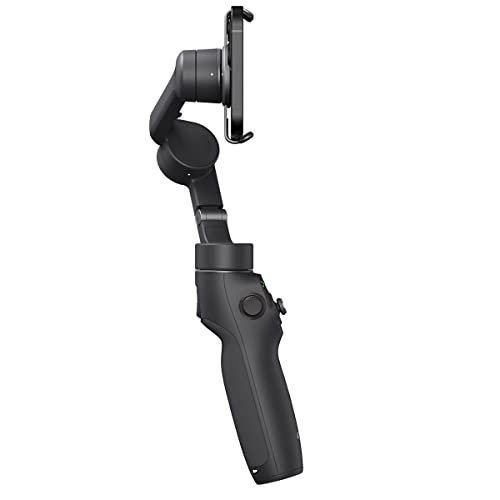
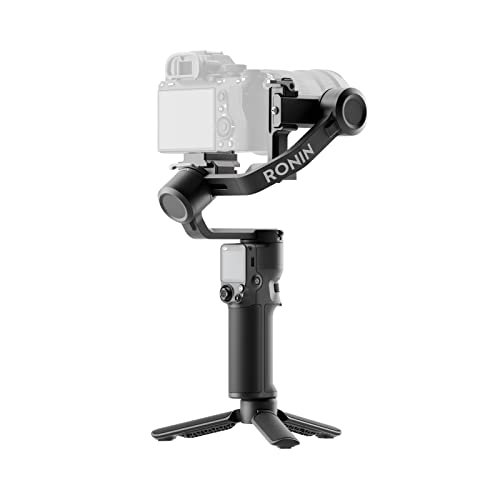
DJI RS 3 Mini Review: The Ultimate Compact Gimbal for On-the-Go Creators?

In the fast-paced world of content creation, portability and performance are paramount. Nobody wants to haul around a heavy, complicated setup, especially when inspiration strikes spontaneously. This is where compact gimbals shine, and today, we’re diving deep into the DJI RS 3 Mini, a product that promises professional-grade stabilization in a remarkably small package. Is it the game-changer for solo creators and travel vloggers? Let’s find out!
The DJI RS 3 Mini isn’t just a shrunken version of its larger siblings; it’s a thoughtfully engineered tool designed for a specific niche: those who need maximum portability without sacrificing an ounce of stable footage. Right out of the box, its lightweight design is instantly noticeable, making it an appealing option for anyone tired of cumbersome gear.
Key Features That Make the DJI RS 3 Mini Stand Out
DJI has packed a surprising amount of punch into this miniature marvel. Here are the core features that define the user experience:
- Featherlight Design: Weighing in at just 795g (1.75 lbs), the RS 3 Mini is incredibly easy to carry for extended periods. This is crucial for long shoots, travel, and run-and-gun scenarios.
- Robust Payload Capacity: Don’t let its size fool you; this gimbal can handle quite a load. With a max payload of 2kg (4.4 lbs), it comfortably supports popular mirrorless camera setups like the Sony a7S III with a 24-70mm f/2.8 lens, or a Canon R5 with an RF 24-70mm f/2.8.
- Next-Gen RS Stabilization Algorithm: Inheriting technology from its larger RS 3 Pro sibling, the RS 3 Mini delivers exceptionally smooth, cinematic footage, even during dynamic movements. DJI’s stabilization is truly top-tier.
- Native Vertical Shooting: A dream come true for social media creators! The RS 3 Mini features a redesigned quick-release plate that allows for instantaneous switching to vertical mode without needing additional accessories or rebalancing. This is a massive time-saver for TikTok, Instagram Reels, and YouTube Shorts.
- Intuitive Controls & 1.4″ Color Touchscreen: Operating the gimbal is a breeze thanks to the clearly laid-out buttons and a bright, responsive touchscreen. You can quickly switch modes, adjust parameters, and monitor battery life without fumbling through menus.
- Integrated Battery Handle: The handle incorporates the battery, contributing to its compact form factor and offering up to 10 hours of operation on a single charge. More than enough for a full day of shooting.
Hands-On: Performance and User Impressions
Getting started with the DJI RS 3 Mini is surprisingly straightforward. The quick-release plates mean you can mount your camera efficiently, and balancing, while always a step that requires some patience, feels less daunting due to the gimbal’s manageable size. Once balanced, the performance truly shines.
We tested it in various scenarios – walking, jogging, and even some light running – and the results were consistently impressive. The footage remained remarkably stable, soaking up bumps and smoothing out jarring movements. The responsiveness of the joystick for pan and tilt is excellent, allowing for precise camera control.
The native vertical shooting mode is genuinely a game-changer. For creators constantly juggling landscape and portrait formats, the ability to switch almost instantly without recalibrating is a massive workflow improvement. It feels like DJI truly understands the modern content creator’s needs with this feature.
Connecting to the Ronin app expands its capabilities further, offering active tracking (using your phone’s camera), virtual joystick control, and more granular settings. The experience is polished and reliable, as we’ve come to expect from DJI.
The Pros: Why You’ll Love It
- Unbeatable Portability: It’s genuinely mini, making it perfect for travel and discreet shooting.
- Professional-Grade Stabilization: Delivers buttery-smooth footage that rivals much larger gimbals.
- Native Vertical Shooting: A huge advantage for social media content.
- Excellent Build Quality: Feels robust and well-made, despite its lightweight nature.
- User-Friendly: Easy to set up, balance, and operate, even for beginners.
- Strong Payload: Handles a wide range of popular mirrorless cameras and lenses.
The Cons: Where It Could Improve
- Limited Accessory Mounting: As a compact gimbal, it doesn’t offer many NATO ports or mounting points for extensive accessories like external monitors or microphones, which might be a limitation for some pro setups.
- No ActiveTrack 3.0 via Vision Sensor: Unlike its larger siblings, it relies on phone-based ActiveTrack, which isn’t always as precise.
- Battery is Non-Removable: While battery life is good, a non-removable battery means you can’t quickly swap it out for a fresh one in the field.
Who Is the DJI RS 3 Mini Best For?
The DJI RS 3 Mini truly excels for a specific audience:
- Solo Content Creators and Vloggers: If you’re a one-person crew looking for professional-looking footage on the go, this is your ideal companion.
- Travel Filmmakers: Its light weight and compact size make it perfect for packing into a backpack without adding significant bulk.
- Social Media Influencers: The native vertical shooting is tailor-made for platforms like TikTok and Instagram Reels.
- Users of Smaller to Mid-Sized Mirrorless Cameras: It’s perfectly matched with cameras like the Sony A7C/A6000 series, Fujifilm X-T series, Canon R series (R50, R10, R8, R6 Mark II), and Panasonic GH series.
- Anyone Prioritizing Portability: If you hate heavy gear but refuse to compromise on stabilization, the DJI RS 3 Mini is calling your name.
Conclusion: A Mighty Mini Powerhouse
The DJI RS 3 Mini isn’t just another gimbal; it’s a testament to DJI’s ability to innovate within the compact category. It addresses the growing demand for highly portable, yet incredibly capable stabilization tools for the modern creator. It delivers professional results in a package so small, you’ll forget you’re even carrying it – until you see your smooth, cinematic footage, that is.
If you’re a content creator looking for a powerful yet portable solution that won’t weigh you down, the DJI RS 3 Mini is an exceptional choice. It’s reliable, intuitive, and most importantly, it helps you capture stunning video with ease.
Ready to elevate your content and simplify your filmmaking setup?
Click here to check out the DJI RS 3 Mini and make it yours today!
FAQ
Q. What is the DJI RS 3 Mini and what makes it unique?
A. The DJI RS 3 Mini is a lightweight, portable 3-axis camera stabilizer designed for solo content creators. Its uniqueness lies in its highly compact size and weight (just 795g in portrait mode), making it incredibly travel-friendly, while still supporting a robust payload and offering native vertical shooting capabilities without extra accessories.
Q. What is the maximum payload capacity of the DJI RS 3 Mini?
A. The DJI RS 3 Mini can support a maximum payload of up to 2 kg (4.4 lbs). This allows it to stabilize a wide range of mirrorless cameras and lens combinations, including popular setups like a Sony a7S III with a 24-70mm f/2.8 lens or a Fujifilm X-T5 with an 18-55mm lens.
Q. Can the DJI RS 3 Mini shoot in native vertical mode?
A. Yes, a significant feature of the DJI RS 3 Mini is its native support for vertical shooting. You can easily switch between horizontal and vertical orientation without needing additional accessories or rebalancing, making it perfect for creating content for platforms like TikTok and Instagram Reels.
Q. How long does the battery last on the DJI RS 3 Mini, and how long does it take to charge?
A. The DJI RS 3 Mini is equipped with a built-in battery that provides up to 10 hours of operation on a single charge. When fully depleted, it typically takes approximately 2.5 hours to achieve a full charge.
Q. What types of cameras are compatible with the DJI RS 3 Mini?
A. The DJI RS 3 Mini is designed for compatibility with most mainstream mirrorless cameras and their corresponding lenses within its 2 kg payload limit. This includes popular models from brands such as Sony, Canon, Panasonic, Nikon, and Fujifilm. For a detailed and up-to-date compatibility list, it is always recommended to check the official DJI website.
Q. Does the DJI RS 3 Mini have a display screen for control?
A. Yes, the DJI RS 3 Mini features a 1.4-inch full-color touchscreen. This integrated display allows users to easily access gimbal settings, switch between modes, and view battery life without needing to connect to a smartphone app for basic operations.
Q. Is the DJI RS 3 Mini difficult to balance and set up for use?
A. No, the DJI RS 3 Mini is engineered for quick and easy setup. It incorporates dual-layer quick-release plates for convenient camera mounting and dismounting. Additionally, its intuitive balancing system, complete with fine-tuning knobs, helps users achieve precise balance relatively quickly, even for those new to gimbals.
![FeiyuTech SCORP Mini 3 [Kit] Gimbal Stabilizer for Mirrorless Cameras&Smartphone](https://gimbalhq.com/wp-content/uploads/2025/11/product_18_img_1-1.jpg)