DJI RS 3 Mini Review: The Lightweight Champion for Solo Creators and Travel Vloggers
Are you a solo content creator, a passionate vlogger, or a travel enthusiast constantly on the move, seeking cinematic smoothness without the bulk? If your answer is a resounding “yes,” then you’re in for a treat. DJI has a knack for distilling powerful technology into incredibly user-friendly packages, and their latest offering, the DJI RS 3 Mini, is no exception. This isn’t just a smaller gimbal; it’s a strategically designed tool built for agility and exceptional performance.
In this detailed review, we’ll dive deep into what makes the DJI RS 3 Mini stand out, examining its key features, real-world performance, and ultimately, whether it’s the right stabilizer to revolutionize your video content.
First Impressions: Tiny Footprint, Mighty Presence
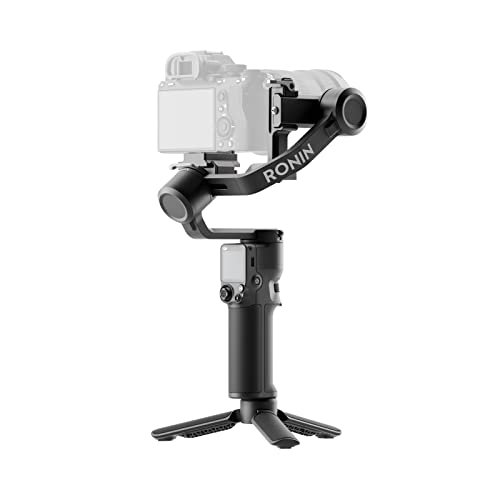
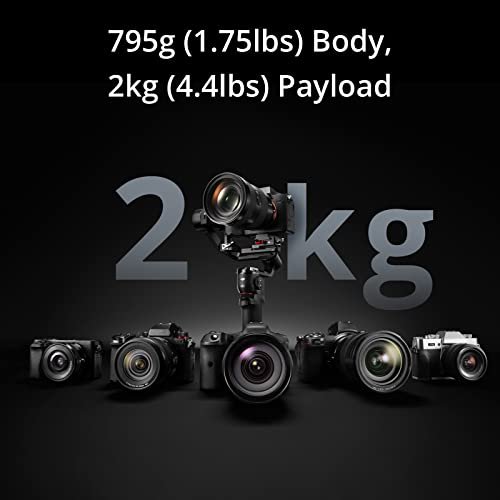
The moment you unbox the DJI RS 3 Mini, its diminutive size is striking. This isn’t just “mini” by name; it’s genuinely compact and unbelievably lightweight. Weighing in at just 795g (for the gimbal itself), it’s significantly lighter than its larger RS 3 and RS 3 Pro siblings. This immediately sparks joy for anyone who dreads hauling heavy gear. Despite its featherlight build, it feels remarkably solid and premium in your hand, a testament to DJI’s excellent build quality. It’s clear that portability was at the absolute forefront of its design.
Key Features That Make the RS 3 Mini Shine
Don’t let the “Mini” tag fool you; this gimbal packs a serious punch with features designed to simplify and elevate your shooting experience:
- Impressive Payload Capacity: One of the most surprising aspects of the RS 3 Mini is its robust payload capacity of up to 2 kg (4.4 lbs). This means it can comfortably handle popular mirrorless cameras like the Sony A7S III + 24-70mm F2.8 GM, Canon R5 + RF 24-70mm F2.8, or even a Fuji X-T5 + XF 16-55mm F2.8. It gives you incredible flexibility without compromising on lens choice for most common setups.
- 3rd-Gen RS Stabilization Algorithm: Inherited from its larger professional counterparts, the RS 3 Mini utilizes DJI’s cutting-edge 3rd-generation RS stabilization algorithm. This translates into exceptionally smooth, buttery footage, even when you’re on the move, running, or navigating challenging terrain.
- Native Vertical Shooting: This is a game-changer for social media creators! The RS 3 Mini allows for effortless native vertical shooting without needing additional accessories or complex re-balancing. Simply attach the camera’s quick-release plate to the vertical arm, and you’re ready to create stunning TikToks, Reels, and Shorts.
- Bluetooth Shutter Control: Say goodbye to pesky control cables! The RS 3 Mini supports Bluetooth shutter control for select mirrorless cameras, allowing you to wirelessly start/stop recording and even control certain camera settings directly from the gimbal. This streamlines your workflow and reduces cable clutter.
- Integrated 1.4-inch Color Touchscreen: While smaller than the RS 3, the integrated 1.4-inch color touchscreen is bright and responsive. It allows for quick adjustments to gimbal modes, settings, and monitoring of battery life without needing to pull out your phone constantly.
- Intuitive Controls: The gimbal features a comfortable grip with an integrated joystick, mode button, and a front dial that can be customized to control camera focus, ISO, or aperture, putting essential controls right at your fingertips.
- Long Battery Life: With up to 10 hours of operating time on a single charge, the RS 3 Mini ensures you can shoot for extended periods without constantly worrying about power.
User Impressions & Real-World Performance
Using the DJI RS 3 Mini is a delightful experience. Balancing is surprisingly quick and straightforward thanks to clear markings and fine-tuning knobs. The process is much less intimidating than with larger gimbals. Once balanced, the stabilization is truly impressive. Whether you’re walking, panning, or trying more dynamic movements, the footage remains remarkably stable and professional-looking.
The native vertical shooting mode is a huge win for anyone primarily creating content for platforms like Instagram and TikTok. It saves so much time and effort in post-production. The Bluetooth shutter control is also a fantastic convenience, especially when shooting solo. You truly feel a greater sense of freedom without the restriction of cables.
While the screen is small, it’s perfectly functional for quick adjustments. The build quality feels sturdy enough for regular use, making it an ideal companion for travel. It truly feels like DJI designed this gimbal with the needs of the modern, agile content creator in mind.
Pros: Why You’ll Love the RS 3 Mini
- Extremely Lightweight and Portable: Its biggest selling point, making it perfect for travel and extended shooting sessions.
- Excellent Stabilization: DJI’s 3rd-gen algorithm delivers smooth, cinematic results.
- Outstanding Payload for its Size: Supports a wide range of popular mirrorless cameras and lenses.
- Native Vertical Shooting: A revolutionary feature for social media content.
- Wireless Camera Control (Bluetooth): Streamlines workflow and reduces clutter.
- Intuitive and User-Friendly: Easy to balance and operate, even for beginners.
- Comfortable Ergonomics: Feels good in hand for long shoots.
- Long Battery Life: Keeps you shooting all day.
Cons: Where It Could Improve
- No NATO Ports/Accessory Mounts: Unlike larger gimbals, it lacks additional mounting points for accessories like external monitors or microphones, which might be a limitation for more professional setups.
- Smaller Screen: While functional, the 1.4-inch screen is smaller than those on the RS 3/RS 3 Pro, requiring more menu navigation for detailed settings.
- Limited Customization for Heavier Setups: While it handles 2kg, pushing it to the absolute limit with very long lenses might impact fine-tuning and overall responsiveness compared to larger gimbals.
- No RavenEye Transmission (Built-in): You won’t find the advanced video transmission capabilities integrated into this mini version.
Who is the DJI RS 3 Mini Best For?
The DJI RS 3 Mini is tailor-made for specific users:
- Travel Vloggers: Its portability and ease of use make it the ultimate travel companion.
- Solo Content Creators: Especially those shooting for social media, who will benefit immensely from native vertical shooting and wireless control.
- Run-and-Gun Filmmakers: When agility and a lightweight setup are paramount.
- Mirrorless Camera Users: Who need a reliable stabilizer for their compact to mid-sized mirrorless setups.
- Beginners to Intermediate Users: Its user-friendly design makes professional stabilization accessible.
- Anyone looking to upgrade from a smartphone gimbal: It’s a natural progression for stepping into professional camera stabilization.
If you’re a seasoned professional needing to mount heavy cinema cameras, external monitors, and follow focus systems, the larger DJI RS 3 or RS 3 Pro might be a better fit. But for the vast majority of mirrorless camera users seeking unmatched portability and excellent performance, the RS 3 Mini hits the sweet spot.
Final Verdict: The Mini Marvel for Your Mirrorless
The DJI RS 3 Mini isn’t just a shrunken-down version of its predecessors; it’s a thoughtfully engineered gimbal designed for the modern creator. It masterfully balances portability, performance, and price into an incredibly attractive package. Its ability to provide buttery-smooth footage, effortless vertical shooting, and wireless control with a surprisingly high payload capacity makes it a game-changer for anyone looking to elevate their video content without being weighed down by heavy gear.
Ready to transform your shaky footage into cinematic masterpieces?
Don’t miss out on the ultimate portable stabilization solution for your mirrorless camera. Click here to get your DJI RS 3 Mini and start creating stunning, smooth videos today!
FAQ
Q. What is the maximum payload capacity of the DJI RS 3 Mini?
A. The DJI RS 3 Mini has a maximum tested payload capacity of 2 kg (4.4 lbs), making it suitable for a wide range of popular mirrorless camera and lens combinations.
Q. Which cameras are compatible with the DJI RS 3 Mini?
A. The DJI RS 3 Mini supports mainstream mirrorless cameras and lenses from brands like Sony (e.g., A7S3, A7M4), Canon (e.g., R5, R6), Panasonic (e.g., S5, GH6), Nikon (e.g., Z7 II), and Fujifilm (e.g., X-T5). For a comprehensive list of compatible models, please refer to the official DJI website.
Q. How portable is the DJI RS 3 Mini?
A. As its name suggests, the DJI RS 3 Mini is exceptionally portable. It weighs only 795g (1.75 lbs) in portrait mode or 850g (1.87 lbs) with the horizontal plate, and features a compact, foldable design that makes it easy to store in a shoulder bag or backpack.
Q. What is the battery life of the DJI RS 3 Mini?
A. The DJI RS 3 Mini provides an impressive battery life of up to 10 hours on a single charge, allowing for extended shooting sessions throughout the day without frequent recharging.
Q. Does the DJI RS 3 Mini support native vertical shooting?
A. Yes, the DJI RS 3 Mini supports native vertical shooting. Users can simply attach the camera to the vertical arm without needing additional accessories or rebalancing, making it perfect for creating content for social media platforms.
Q. What stabilization technology does the DJI RS 3 Mini utilize?
A. The DJI RS 3 Mini incorporates DJI’s powerful 3rd-Gen RS Stabilization Algorithm, the same advanced stabilization technology found in the RS 3 Pro, ensuring professional-grade smoothness for dynamic shots even when running or filming from low angles.
Q. Is the DJI RS 3 Mini easy to set up and balance for beginners?
A. Yes, the DJI RS 3 Mini is designed for user-friendliness. It features convenient axis locks and a newly designed dual-layer quick-release plate, making balancing and setup quick and straightforward even for those new to gimbals.
![FeiyuTech SCORP Mini 3 [Kit] Gimbal Stabilizer for Mirrorless Cameras&Smartphone](https://gimbalhq.com/wp-content/uploads/2025/11/product_18_img_1-1.jpg)