Thinking about upping your video game with your Canon camera? You’re in the right place! Shaky footage is a videographer’s nightmare, but thankfully, a good 3-axis gimbal can turn your wobbly shots into silky-smooth, professional-looking cinematic masterpieces. For Canon users, finding the best gimbal 3 axis for Canon means looking for compatibility, payload capacity, ease of use, and advanced features that truly elevate your content.
Whether you’re shooting a documentary, vlogging your daily adventures, or capturing those precious family moments, a reliable stabilizer is a game-changer. It helps you achieve incredible camera movement, allowing for dynamic tracking shots, smooth pans, and stable handheld filming even in challenging conditions. Gone are the days of jittery footage that distracts from your story.
In this guide, we’ll dive deep into 10 top-notch 3-axis gimbals that are perfect companions for your Canon DSLR or mirrorless camera. We’ve got something for everyone, from compact, travel-friendly options to robust setups for professional camera rigs. Let’s find the best gimbal 3 axis for Canon that fits your needs and budget!
1. DJI RS 3 Mini, 3-Axis Gimbal Stabilizer for Cameras
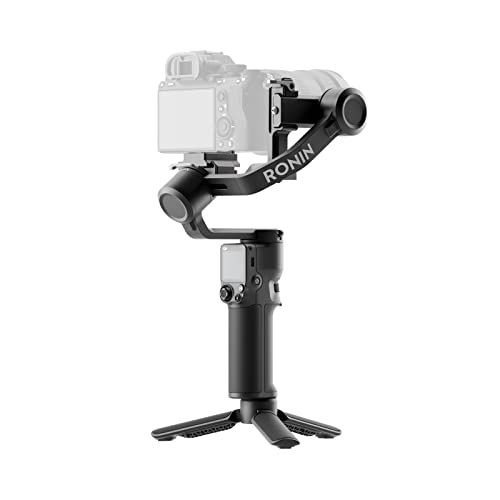
The DJI RS 3 Mini stands out as an incredibly lightweight and portable option, making it ideal for content creators on the go. Weighing in at just 795g (1.75 lbs), it’s easy to hold for extended shooting sessions without causing fatigue. Don’t let its mini size fool you, though; this compact powerhouse boasts strong, high-torque motors capable of supporting up to 2 kg (4.4 lbs), accommodating a wide range of Canon mirrorless and smaller DSLR setups. Its native vertical shooting capability is a huge win for social media creators, letting you switch orientations effortlessly.
- Key Features:
- 795g (1.75lbs) Lightweight and Portable
- Wide-Ranging Compatibility: Load capacity up to 2 kg (4.4 lbs)
- Bluetooth Shutter Control for easy photo/video control
- 3rd-Gen RS Stabilization Algorithm for pro-level image stabilization
- Native Vertical Shooting
- 1.4″ Full-Color Touchscreen with intuitive UI
- Pros:
- Extremely portable and travel-friendly
- Excellent stabilization performance
- Seamless vertical shooting for social media
- Easy camera control via Bluetooth
- User-friendly touchscreen interface
- Cons:
- Lower payload capacity compared to larger gimbals (might not suit heavier Canon DSLRs with large lenses)
- Requires DJI Ronin app for activation and full functionality (app removed from Google Play, must download from DJI website)
- User Impressions: Users love its compact size and how easy it is to carry around for everyday shooting or travel. The stabilization is consistently praised, delivering incredibly smooth footage, though some note the app download process can be a minor inconvenience.
- See it on Amazon here
2. DJI RS 3 Pro Combo, 3-Axis Gimbal Stabilizer for DSLR

For serious videographers and filmmakers using larger Canon setups, the DJI RS 3 Pro Combo is a beast. This isn’t just a stabilizer; it’s a comprehensive solution for professional productions. Its automated axis locks make setup and packing incredibly efficient, while the extended carbon fiber axis arms provide ample space for professional Canon camera and lens combinations like the Canon C70 with a 24-70mm F2.8 lens. With a 4.5 kg (10 lbs) payload capacity and the included Ronin Image Transmitter for long-range video transmission, this combo is built for the demands of the pro world.
- Key Features:
- Automated Axis Locks for fast transitions
- Extended Carbon Fiber Axis Arms for larger camera setups
- 4.5 kg (10 lbs) Tested Payload
- Long-Range O3 Pro Video Transmission (6km/20,000ft) with ultra-low latency
- Dynamic & Versatile Solution with extensive ports and DJI RS SDK protocol
- Includes Ronin Image Transmitter, Focus Motor (2022), and other accessories
- Pros:
- Exceptional payload capacity for professional Canon cinema cameras and heavy lenses
- Rapid setup and breakdown with automated locks
- Superior stabilization for cinematic results
- Integrated professional video transmission system
- Highly expandable for diverse shooting scenarios
- Cons:
- Higher price point due to professional features and combo accessories
- Heavier and less portable than mini versions
- May be overkill for casual users
- User Impressions: Professionals rave about its robust build, incredible stability, and the efficiency offered by features like automated locks. The ecosystem of accessories and the reliable video transmission make it a go-to for high-end productions.
- See it on Amazon here
3. DJI RS 4, 3-Axis Gimbal Stabilizer for DSLR and

The DJI RS 4 builds on DJI’s legacy with refined features designed to enhance user experience and versatility for Canon users. Its 2nd-Gen Native Vertical Shooting is even more efficient, allowing a quick switch for social content without extra accessories. The standout feature here is the Teflon-coated axis arms, which drastically reduce friction for ultra-precise balancing, saving you valuable setup time on set. With an extended tilt axis and a 3kg (6.6lbs) payload, it comfortably handles most mainstream Canon mirrorless setups.
- Key Features:
- 2nd-Gen Native Vertical Shooting with new horizontal plate
- Joystick Mode Switch for Zoom/Gimbal Control
- Teflon-Coated Axis Arms for smoother balancing
- 3kg (6.6lbs) Payload Capacity with Extended Tilt Axis
- RSA Communication Port for extensive control ecosystem
- New BG70 High-Capacity Battery Grip (sold separately) for extended runtime
- Pros:
- Enhanced vertical shooting convenience
- Smoother and faster balancing process
- Versatile control options (joystick, RSA port)
- Good payload for most Canon mirrorless and lighter DSLR setups
- Potential for extremely long battery life with optional grip
- Cons:
- BG70 battery grip sold separately, adding to the cost
- DJI Ronin app download workaround (from DJI website, not Google Play)
- User Impressions: Many users appreciate the improvements in balancing and the fluid motion achieved with the Teflon coating. The extended vertical shooting is a popular feature for hybrid creators, making it a very practical choice for a wide range of Canon cameras.
- See it on Amazon here
4. ZHIYUN CINEPEER WEEBILL 3E 3-Axis Gimbal Stabilizer for

The ZHIYUN CINEPEER WEEBILL 3E brings portability and efficiency to the forefront. It boasts a clever native vertical shooting system that transforms the gimbal without needing additional accessories, making it super quick to adapt for social media content. Weighing just 1.05 kg (2.3 lbs) and about the size of an A4 paper, it’s incredibly lightweight and portable, perfect for run-and-gun Canon shooters. Plus, its ergonomic design with a comfortable handle reduces fatigue during long shoots, which is always a bonus!
- Key Features:
- Native Vertical Shooting without extra accessories
- Bluetooth Shutter Control
- Built-in 2600mAh batteries with 14W fast charging (2h 46m charge time)
- 2.5 Sling Mode for reduced physical fatigue (grip and wrist rest sold separately)
- Small But Strong: 1.05 kg weight, 3kg (6.6 lbs) payload
- Pros:
- Excellent native vertical shooting integration
- Highly portable and lightweight
- Comfortable ergonomic design for extended use
- Solid 3kg payload for many Canon setups
- Fast charging capabilities
- Cons:
- Sling mode accessories (grip, wrist rest) are not included
- Battery life (2h 46m charge for unspecified runtime) could be clearer
- User Impressions: Users frequently highlight its compact footprint and how easy it is to throw in a bag. The integrated vertical shooting is a huge time-saver, and the overall build quality for its size is well-received.
- See it on Amazon here
5. FeiyuTech SCORP 2 KIT Gimbal Stabilizer for DSLR and

The FeiyuTech SCORP 2 KIT stands out with its innovative built-in AI sensor for intelligent tracking, eliminating the need for external accessories or apps. Simply make an ‘OK’ gesture, and the gimbal tracks your subject, providing hands-free control over your Canon camera’s movement. Its upgraded quick-release design with L-shaped mounting plates also allows for instant vertical filming, making transitions between horizontal and vertical shots incredibly fast and smooth. This gimbal is truly designed to make smart, dynamic shooting accessible.
- Key Features:
- Built-in AI Sensor for Intelligent Tracking (gesture control)
- Quick-release design for instant vertical filming setup
- Supreme Power: 2500G (2.5kg) payload capacity
- Wireless Control via Bluetooth or control cable
- Innovative integrated handle and grip (gun handle design)
- Pros:
- Advanced AI tracking for effortless subject following
- Extremely fast and convenient vertical shooting
- Good payload capacity for mirrorless and lighter DSLR Canon cameras
- Wireless control simplifies operation
- Ergonomic and comfortable design
- Cons:
- 2.5kg payload might be limiting for heavier Canon DSLR setups with larger lenses
- AI tracking can sometimes have a slight learning curve for optimal use
- User Impressions: The AI tracking feature is a definite crowd-pleaser, especially for solo content creators or vloggers. Users find the quick-release system very practical, making setup and mode switching a breeze. The unique handle design is also appreciated for comfort.
- See it on Amazon here
6. DJI RS 4 Pro Combo, 3-Axis Gimbal Stabilizer for Cameras

The DJI RS 4 Pro Combo is the ultimate professional tool in the DJI lineup, specifically designed for heavy-duty Canon cinema and mirrorless camera rigs. With a remarkable 4.5kg (10lbs) payload capacity and a 20% increase in motor torque, it handles even the most demanding setups with ease. The groundbreaking LiDAR Focusing (76,800 ranging points within 20m) paired with the new Focus Pro Motor offers incredibly accurate and intelligent autofocus, a huge advantage for manual lenses or tricky focusing scenarios with your Canon camera. This combo is about delivering unparalleled precision and control.
- Key Features:
- 2nd-Gen Native Vertical Shooting
- 4.5kg (10lbs) Payload Capacity with 20% Increase in Motor Torque
- Remote Dual Focus & Zoom Motor Control via joystick
- LiDAR Focusing: 76,800 Ranging Points Within 20m for intelligent autofocus
- Extensive Video Transmission Ecosystem
- 29-hour Battery Runtime with optional BG70 High-Capacity Battery Grip (sold separately)
- Includes Gimbal, BG30 Battery Grip, Ronin Image Transmitter, Focus Pro Motor
- Pros:
- Top-tier payload and motor torque for heavy professional Canon rigs
- Revolutionary LiDAR autofocus for precision
- Comprehensive combo with essential pro accessories included
- Exceptional battery life potential
- Robust video transmission and control ecosystem
- Cons:
- High investment cost
- Significant weight and size, not ideal for light travel
- Optional BG70 grip for 29hr runtime is sold separately
- DJI Ronin app Google Play issue still applies
- User Impressions: Filmmakers are blown away by its power, stability, and the precision offered by the LiDAR focusing. It’s consistently praised as a robust, reliable workhorse for cinema-grade Canon productions, justifying its premium price.
- See it on Amazon here
7. FeiyuTech SCORP Mini-3-Pro Gimbal Stabilizer for Camera

The FeiyuTech SCORP Mini-3-Pro is a versatile marvel, adopting a four-in-one design that supports a wide array of cameras, from mainstream mirrorless Canon cameras to compacts, smartphones, and even action cameras. This flexibility makes it a fantastic all-rounder for various content creation needs. Its AI Tracking 4.0, powered by an advanced algorithm, offers an ultra-fast 0.003s response time and 360° infinite tracking, ensuring your Canon camera stays locked on your subject. The unique detachable grip also doubles as a remote control, adding incredible flexibility for solo creators.
- Key Features:
- Four-in-one Design: Supports mirrorless, compact, smartphones, action cameras
- AI Tracking-Instant Response, 360°Infinite Tracking (Max tracking distance: 18 meters)
- Grip and Remote Control for Flexible Filming (detachable handle)
- 2KG/4.4lbs Payload Capacity
- High Flexibility: Quick switching between horizontal/vertical shooting (modular design)
- Powerful Stabilization 10.0 with advanced 2025 quaternion algorithm
- Pros:
- Exceptional versatility across multiple device types
- Highly responsive and accurate AI tracking
- Innovative detachable remote control handle
- Quick and easy vertical/horizontal switching
- Impressive stabilization for shake-free footage
- Cons:
- 2kg payload might limit larger Canon DSLR lens combinations
- AI tracking might require initial setup for optimal performance
- User Impressions: Users love its “Swiss Army knife” approach to stabilization, appreciating its compatibility with various devices. The AI tracking and remote control functionality are big hits, making it a powerful tool for dynamic and hands-free shooting.
- See it on Amazon here
8. DJI RS 3 Pro, 3-Axis Gimbal for DSLR and Cameras

The DJI RS 3 Pro (non-combo version) still offers the core professional-grade features that make its combo counterpart so desirable, without the additional bundled accessories. This is an excellent choice for Canon users who already have their own video transmission setup or prefer to buy accessories à la carte. Key features include the automated axis locks for lightning-fast setup, extended carbon fiber arms for larger camera bodies like the Canon C70, and a substantial 4.5 kg (10 lbs) payload capacity. Its O3 Pro Video Transmission capability (though the transmitter is separate in this version) ensures low-latency monitoring for crucial shots.
- Key Features:
- Automated Axis Locks for rapid deployment
- Extended Carbon Fiber Axis Arms for ample leveling space
- 4.5 kg (10 lbs) Tested Payload for professional setups
- Long-Range O3 Pro Video Transmission (requires separate transmitter)
- Dynamic & Versatile Solution with extensive ports for accessories
- Pros:
- Professional-grade payload capacity for heavy Canon cinema cameras
- Efficient automated axis locks
- Exceptional stabilization performance
- Highly expandable with various accessories via DJI RS SDK
- Provides core pro features at a potentially lower entry price than the combo
- Cons:
- Video transmitter and other accessories not included, increasing potential overall cost
- Still relatively heavy and bulky for casual use
- DJI Ronin app download issue persists
- User Impressions: Users who opted for this version often praise its raw power and stabilization capabilities for their Canon cinema cameras. They appreciate the ability to customize their accessory setup, even if it means separate purchases.
- See it on Amazon here
9. Zhiyun Weebill S [Official] 3-Axis Gimbal Stabilizer for
![Zhiyun Weebill S [Official] 3-Axis Gimbal Stabilizer for...](https://m.media-amazon.com/images/I/41dofxRBqiL._SL500_.jpg)
The Zhiyun Weebill S is a highly popular choice for Canon mirrorless and DSLR users, especially those needing a compact yet powerful solution. It boasts impressive compatibility with a wide range of popular Canon models (e.g., 5D Mark IV, EOS R5, R6, R, RP). Its standout feature is the ergonomically designed Sling Mode, which transforms the gimbal for comfortable underslung shooting, saving effort during long takes. Powered by the 8th Instune algorithm, it ensures high responsiveness and eliminates jitter, even in fast-moving scenarios.
- Key Features:
- Wide compatibility with mainstream mirrorless and DSLR camera & lens combos (including many Canon models)
- Compact size (A4 paper-sized)
- Ergonomically designed Sling mode for comfortable underslung shooting
- 8th Instune algorithm for high responsiveness and jitter elimination
- 14 hours battery life
- Brand new TransMount Image Transmission Module (accessory) for 1080P 30fps transmission
- Dual focus control system; Quick release system; OLED display
- Pros:
- Excellent compatibility with a wide array of Canon cameras
- Innovative and comfortable Sling Mode
- Outstanding stabilization performance
- Impressive 14-hour battery life
- Compact and portable design
- Cons:
- Image Transmission Module is an accessory, not included
- Some users might find the initial balancing a bit finicky
- User Impressions: Many Canon users laud the Weebill S for its balance of portability and power. The Sling Mode is a fan favorite for its comfort and versatility, making it a go-to for extended shooting sessions and creative low-angle shots.
- See it on Amazon here
10. ZHIYUN CINEPEER Weebill 3E[Official], 3-Axis Lightweight
![ZHIYUN CINEPEER Weebill 3E[Official], 3-Axis Lightweight...](https://m.media-amazon.com/images/I/41+kdEh7b2L._SL500_.jpg)
The ZHIYUN CINEPEER Weebill 3E (Official version) is a fantastic lightweight option that doesn’t compromise on payload, supporting up to 3 kg (6.6 lbs) while maintaining an A4 paper-sized footprint. Its native vertical shooting capability is incredibly convenient for social media content creation, allowing you to quickly switch orientations without dismantling parts. A notable feature is its 16H Max Battery Life, which, coupled with 14W PD fast charging, ensures you’re powered up for all-day shooting sessions. This gimbal prioritizes comfortable long-term use and efficient workflow for Canon users.
- Key Features:
- 3 kg (6.6 lbs) Payload and 1.05 kg Lightweight Design
- Native Vertical Shooting (quick-release plate to vertical arm)
- Bluetooth Shutter Control
- 2.5 Sling Mode (sling grip and wrist rest purchased separately)
- 16H Max Battery Life with 14W PD fast charging
- Wide-axis arm cradles cameras of different sizes
- Pros:
- Excellent balance of high payload and lightweight design
- True native vertical shooting for efficient social content
- Remarkable 16-hour battery life
- Comfortable ergonomic design for reduced fatigue
- Bluetooth control for convenience
- Cons:
- Sling grip and wrist rest for 2.5 Sling Mode are sold separately
- Requires purchasing additional control cables for Canon (only Panasonic included)
- The “NOTE” about cable compatibility is crucial to observe
- User Impressions: Users are highly impressed with the battery longevity, finding it perfect for full-day shoots. The native vertical shooting is often highlighted as a significant time-saver, and its lightweight yet sturdy build makes it a popular choice for Canon mirrorless setups.
- See it on Amazon here
Conclusion
Choosing the best gimbal 3 axis for Canon cameras ultimately comes down to your specific shooting needs, the size and weight of your Canon camera and lens setup, and your budget. From the ultra-portable DJI RS 3 Mini for vloggers to the powerhouse DJI RS 4 Pro Combo for cinema professionals, there’s a perfect stabilizer out there to help you achieve incredibly smooth footage.
No matter which one you pick, investing in a high-quality 3-axis gimbal will transform your videography, opening up a world of creative possibilities and ensuring your Canon camera captures every moment with unparalleled stability and cinematic flair. Remember to consider payload capacity, battery life, ease of use, and specific features like AI tracking or vertical shooting, and you’ll be well on your way to stabilizing your shots like a true pro!
FAQ Section
Q1: Why do I need a 3-axis gimbal for my Canon camera?
A1: A 3-axis gimbal stabilizes your Canon camera on all three axes (pan, tilt, and roll), counteracting unwanted movements from walking, running, or panning. This results in incredibly smooth, professional-looking video footage, eliminating shakiness and jitter, which is crucial for cinematic quality and engaging content.
Q2: What does “payload capacity” mean, and why is it important for Canon users?
A2: Payload capacity refers to the maximum weight a gimbal can safely and effectively stabilize. It’s crucial for Canon users because Canon offers a wide range of cameras, from lightweight mirrorless bodies (like the EOS R series) to heavier DSLRs (like the 5D series) and cinema cameras (like the C70), often paired with various lenses. You need to ensure the gimbal’s payload capacity can handle the combined weight of your heaviest camera and lens setup to achieve optimal stabilization.
Q3: Are these gimbals compatible with both Canon DSLR and mirrorless cameras?
A3: Most modern gimbals are designed with wide compatibility for both DSLR and mirrorless cameras, provided their combined weight falls within the gimbal’s payload capacity. Always check the specific product’s compatibility list, as some gimbals might offer better integration (e.g., control cable support, Bluetooth shutter control) with specific Canon models.
Q4: How important is battery life in a gimbal?
A4: Battery life is very important, especially for long shooting days or when you’re filming on location without access to power outlets. Gimbals with longer battery life (e.g., 10-16 hours or more) allow you to shoot continuously without worrying about recharging, ensuring you don’t miss any crucial shots.
Q5: Can I shoot vertical video (for social media) with these 3-axis gimbals?
A5: Yes, many of the gimbals listed, especially newer models like the DJI RS series and ZHIYUN Weebill 3E, offer “Native Vertical Shooting.” This feature allows you to quickly switch your Canon camera’s orientation to vertical without needing additional accessories or re-balancing, making it perfect for creating content for TikTok, Instagram Reels, and YouTube Shorts.
Q6: What’s the main difference between a “gimbal” and a “stabilizer”?
A6: While often used interchangeably, “gimbal” typically refers to an electronically controlled motorized device that uses motors and sensors to actively counteract movement on multiple axes. A “stabilizer” is a broader term that can include mechanical systems (like Steadicam-style devices) that use counterweights to achieve balance. All the products reviewed here are advanced motorized gimbals, offering superior electronic stabilization.
Q7: Do I need a special app to control these gimbals with my Canon camera?
A7: Yes, most professional 3-axis gimbals come with a dedicated mobile app (e.g., DJI Ronin app, Zhiyun ZY Play app) that allows for advanced control, calibration, firmware updates, and access to intelligent shooting modes (like tracking, timelapse, panorama). While basic operation might be possible without the app, full functionality and customization often require it. Be aware of app availability on your device’s app store.
Q8: How do I balance my Canon camera on a 3-axis gimbal?
A8: Balancing your Canon camera on a 3-axis gimbal involves adjusting its position on each of the three axes (tilt, roll, and pan) until it remains level and still when the motors are off. This ensures the motors don’t have to work harder than necessary, saving battery and improving stabilization. Each gimbal typically comes with a quick-release plate and adjustment screws. The process usually involves balancing the tilt axis first, then the roll, and finally the pan. While it takes practice, newer gimbals often have features (like Teflon-coated arms) to make this process smoother.