Getting silky-smooth video footage with your Nikon DSLR used to mean investing in bulky, complicated setups. But thankfully, times have changed! Today, gimbals have become an absolute game-changer for photographers and videographers alike, offering incredible stabilization in a portable package. If you’re a proud Nikon DSLR owner looking to elevate your video game, finding the best gimbal for Nikon DSLR is a smart move.
A good gimbal transforms shaky handheld footage into professional, cinematic shots, making your videos look polished and impactful. Whether you’re capturing fast-paced action, filming a wedding, or simply vlogging, a reliable camera stabilizer is your secret weapon. But with so many options out there, how do you pick the right one for your trusty Nikon?
We’ve done the legwork for you! In this guide, we’ll dive into some of the top contenders that pair beautifully with your Nikon DSLR, helping you choose the best gimbal for Nikon DSLR to meet your creative needs.
Our Top Picks for Nikon DSLR Gimbals
Here are our top recommendations, each bringing something unique to the table to help you capture stunningly smooth video.
1. DJI RS 3 Mini
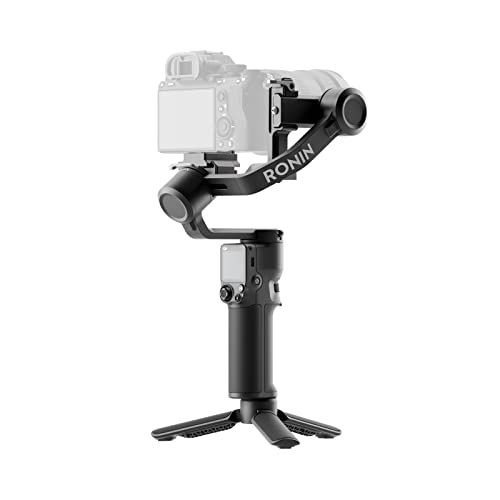
The DJI RS 3 Mini truly lives up to its name, offering an ultra-compact and lightweight design without skimping on stabilization power. This little powerhouse is perfect for Nikon DSLR users who need a highly portable solution that can still handle a decent payload. It’s incredibly easy to use, making it ideal for content creators on the go who want professional-level stabilization without the bulk. Its ability to switch to native vertical shooting is a huge plus for social media enthusiasts, allowing you to capture content ready for platforms like TikTok and Instagram Stories right out of the box.
-
Key Features:
- 795g (1.75lbs) Lightweight and Portable
- Wide-Ranging Compatibility with up to 2 kg (4.4 lbs) payload
- Bluetooth Shutter Control for seamless camera operation
- 3rd-Gen RS Stabilization Algorithm for pro-level smoothness
- Native Vertical Shooting via quick-release plate
- 1.4″ Full-Color Touchscreen with intuitive UI
- Requires DJI Ronin app for activation and full functionality
-
Pros:
- Extremely lightweight and travel-friendly
- Excellent stabilization performance for its size
- Convenient native vertical shooting mode
- Intuitive touchscreen interface
- Quick and easy setup with Bluetooth control
-
Cons:
- Lower payload capacity compared to larger gimbals
- Requires app for initial activation and updates
- Might feel too small for very large DSLR setups
User Impressions: Many users praise the RS 3 Mini for its incredible portability and ease of use, often remarking how it makes professional video stabilization accessible. They love the intuitive touchscreen and the convenience of vertical shooting for social media content. Some advanced users might wish for a higher payload, but for its intended purpose, it’s widely regarded as a fantastic choice.
2. FeiyuTech SCORP-C [Official] Camera Stabilizer 3-Axis
![FeiyuTech SCORP-C [Official] Camera Stabilizer 3-Axis...](https://m.media-amazon.com/images/I/41cuk84JumL._SL500_.jpg)
The FeiyuTech SCORP-C is an upgraded iteration designed to accommodate a wider range of cameras, including many popular Nikon DSLR and mirrorless combos. What truly sets this gimbal apart is its integrated handle grip, making it remarkably comfortable and versatile for various shooting angles, whether upright or in underslung mode. The multi-functional knob ring provides precise control over camera focus and gimbal axes, streamlining your workflow on set. It’s a robust choice for those needing a reliable workhorse that’s easy to handle for extended periods.
-
Key Features:
- Compatible with mainstream mirrorless and DSLR camera & lens combos
- Upgraded payload capacity of up to 5.51 lbs
- Integrated handle grip for enhanced comfort and versatility
- Multi-Functional KNOB RING for focus and axis control
- Wide compatibility list including specific Sony, Canon, Nikon, Panasonic, Fujifilm models
-
Pros:
- Increased payload capacity for more camera/lens flexibility
- Ergonomic integrated handle is very comfortable
- Precise control with the multi-functional knob
- Robust build quality for reliable performance
- Supports a broad range of camera brands
-
Cons:
- Can be a bit heavier than ultra-compact alternatives
- Learning curve for full utilization of all functions
- Specific Nikon compatibility might require checking their detailed list
User Impressions: Users frequently highlight the FeiyuTech SCORP-C’s improved payload and the ergonomic design, noting how comfortable it is even during long shoots. The integrated handle is a consistent favorite, making underslung shots much easier. Many appreciate the precision offered by the control knob, making fine adjustments on the fly less cumbersome.
3. ZHIYUN CINEPEER Weebill 3E [Official], 3-Axis Lightweight
![ZHIYUN CINEPEER Weebill 3E[Official], 3-Axis Lightweight...](https://m.media-amazon.com/images/I/41+kdEh7b2L._SL500_.jpg)
The ZHIYUN CINEPEER Weebill 3E is designed for creators who need a powerful gimbal that’s still impressively lightweight and compact. Weighing just 1.05 kg and being roughly A4 paper-sized, it’s super portable yet boasts a solid 3 kg (6.6 lbs) payload capacity, easily handling most Nikon DSLR setups. Its newly designed comfortable handle reduces fatigue during long shooting sessions, and the innovative “Sling Mode 2.5” (with optional accessories) offers even greater comfort and stability for low-angle shots. The 16-hour battery life means you can shoot all day without worrying about running out of juice.
-
Key Features:
- 3 kg (6.6 lbs) Payload with A4 paper-sized (12 × 8 × 3 in) lightweight design
- Comfortable handle design to reduce fatigue
- Native Vertical Shooting capability
- Supports 2.5 Sling Mode (requires separate sling grip and wrist rest)
- Bluetooth Shutter Control with auto-pairing
- 16H Max Battery Life with 14W PD fast charging
- Wide axis arm for major mirrorless or DSLR cameras and common lenses
-
Pros:
- Excellent balance between payload and portability
- Exceptional battery life with fast charging
- Ergonomic handle improves comfort significantly
- Native vertical shooting is very convenient
- Bluetooth control simplifies camera connection
-
Cons:
- Sling grip and wrist rest for Sling Mode 2.5 are sold separately
- Only includes Panasonic control cable; others must be purchased separately
- May require careful balancing for heavier setups
User Impressions: Owners are consistently impressed by the Weebill 3E’s light weight combined with its high payload capacity. The extended battery life is a significant plus for all-day shoots, and the ergonomic handle design receives high praise for reducing hand fatigue. While some note the need for additional control cables, the overall performance and portability make it a favorite for many.
4. FeiyuTech SCORP-C Gimbal Stabilizer for Cameras DSLR and…

This iteration of the FeiyuTech SCORP-C further solidifies its position as a go-to gimbal for a diverse range of cameras, including popular Nikon models. What makes this specific SCORP-C stand out are its thoughtful design enhancements aimed at making the setup and shooting process even smoother. Features like the three-axis motor lock, five-way center of gravity adjustment, and memory slider for the quick-release plate simplify balancing and re-balancing, saving you precious time on set. The integrated hanging handle is a game-changer for diverse shooting angles, offering fantastic control whether you’re shooting upright or underslung.
-
Key Features:
- Compatible with mainstream mirrorless and DSLR camera & lens combos (e.g., Nikon D750/Z5/Z6/Z6 II/Z7/Z50)
- Integrated hanging handle for versatile shooting angles
- Thoughtful design for easier installation and leveling: three-axis motor lock, five-way center of gravity adjustment, center of gravity memory slider, Arca Quick Release Plate
- Powerful key to easily switch professional modes
- Advanced shooting modes: AB Trajectory Memory, Flash Mode, Panoramic Photography, Time-lapse, Space Mode, Vertical-shooting Mode
- 2500mah Efficient Battery (10-13 Hour runtime) with 18W fast charging
-
Pros:
- Exceptional compatibility with many Nikon models
- Smart design features make setup and balancing much quicker
- Versatile integrated handle for comfortable operation
- Multiple advanced shooting modes for creative freedom
- Good battery life with fast charging capability
-
Cons:
- Still on the heavier side compared to mini gimbals
- Requires understanding of various modes to fully utilize its potential
- Detailed setup might still take some practice for beginners
User Impressions: Users appreciate the dedicated attention to setup efficiency, particularly the motor locks and memory slider, which significantly cut down on balancing time. The robust build and versatile shooting modes, especially Flash Mode for fast action, are frequently highlighted. It’s often recommended for those who need a reliable workhorse with a lot of intelligent features.
5. FeiyuTech SCORP 2 KIT Gimbal Stabilizer for DSLR and…

The FeiyuTech SCORP 2 KIT is truly a leap forward, bringing built-in AI tracking directly into the gimbal. This means you don’t need external apps or accessories to enable intelligent subject tracking – simply make an “OK” gesture, and the gimbal will follow your subject, making solo shooting or complex tracking shots incredibly easy. Its upgraded quick-installation system with a new L-shaped mounting plate allows for instant vertical filming, further streamlining your workflow for social media content. With a 2500G load capacity, it’s perfectly suited for a wide range of Nikon DSLRs and mirrorless cameras, making it a fantastic all-in-one solution for advanced creators.
-
Key Features:
- Built-in AI Sensor for Intelligent Tracking (no APP or additional accessories needed)
- Quick-release design for instant vertical filming setup with new L-shaped mounting plates
- Supreme Power and Greater Compatibility with up to 2500G (5.5 lbs) load capacity
- Wireless Control, enabling focus triggering and camera control via Bluetooth or cable
- Innovative integrated handle and grip with a gun handle design for enhanced ergonomics
-
Pros:
- Revolutionary built-in AI tracking for effortless subject follow
- Fast and easy vertical filming
- High payload capacity for diverse camera setups
- Wireless camera control for convenience
- Ergonomic and comfortable handle design
-
Cons:
- Might be overkill for very casual users
- The AI gestures take a little getting used to
- Higher price point due to advanced features
User Impressions: The integrated AI tracking module is a game-changer for many, with users raving about how it simplifies solo shooting and complex tracking shots. The quick vertical filming setup is also a popular feature. While the initial investment is higher, the convenience and advanced capabilities make it a strong contender for those serious about their video production.
Choosing the Best Gimbal for Your Nikon DSLR: What to Consider
When picking out the best gimbal for Nikon DSLR, there are a few key factors to keep in mind to ensure you get the right fit for your camera and shooting style:
- Payload Capacity: This is crucial. Your gimbal must be able to support the weight of your Nikon DSLR plus the lens you plan to use. Always check the gimbal’s maximum payload and compare it to your camera setup’s total weight.
- Battery Life: Longer battery life means more shooting time without interruption. Look for gimbals that offer several hours of operation, especially if you plan on all-day shoots. Fast charging is a bonus!
- Portability & Weight: Will you be traveling a lot or hiking with your gear? A lighter, more compact gimbal will be a lifesaver. However, sometimes a bit more weight means better stability for heavier cameras.
- Ease of Use & Balancing: Some gimbals are more user-friendly than others. Look for features like quick-release plates, motor locks, and intuitive controls that make balancing and operation straightforward.
- Compatibility: While we’re focusing on Nikon DSLRs, double-check the specific model compatibility, especially for camera control functions like recording start/stop and focus.
- Features: Do you need AI tracking, native vertical shooting, or specific creative modes like time-lapse or panorama? Consider what extra features would enhance your workflow.
Conclusion
Finding the best gimbal for Nikon DSLR doesn’t have to be a daunting task. Each of the gimbals reviewed above offers excellent stabilization and unique features that can significantly improve your video production. Whether you prioritize ultimate portability with the DJI RS 3 Mini, ergonomic comfort with the FeiyuTech SCORP-C models, the balance of power and size with the ZHIYUN CINEPEER Weebill 3E, or cutting-edge AI tracking with the FeiyuTech SCORP 2 KIT, there’s a perfect match for your Nikon DSLR.
Invest in a quality gimbal, and you’ll unlock a new level of creativity, producing smooth, professional-looking footage that truly stands out. Happy shooting!
FAQ Section
Q1: What exactly is a gimbal and why do I need one for my Nikon DSLR?
A: A gimbal is a motorized device that uses motors and sensors to automatically stabilize your camera, counteracting any unwanted movements like shakes or wobbles. You need one for your Nikon DSLR to achieve incredibly smooth, professional-looking video footage, especially when moving, walking, or filming dynamic scenes. It eliminates shaky handheld video, making your content more watchable and cinematic.
Q2: How do gimbals work to stabilize footage?
A: Gimbals typically use three axes of rotation (pan, tilt, and roll) controlled by brushless motors. Built-in sensors detect your camera’s movement in real-time. The motors then instantly adjust to counteract these movements, keeping your camera perfectly level and pointed in the desired direction, resulting in ultra-smooth video.
Q3: What payload capacity do I need for my Nikon DSLR?
A: This is crucial! You need a gimbal whose maximum payload capacity is greater than the total weight of your Nikon DSLR camera body plus the heaviest lens you plan to use with it. Always weigh your camera setup to ensure it falls within the gimbal’s supported range. Using an overburdened gimbal will lead to poor performance and potential damage.
Q4: Is it difficult to balance a DSLR on a gimbal?
A: Balancing a DSLR on a gimbal requires a bit of practice, but it’s not overly difficult. Most modern gimbals feature clear markings and quick-release plates to simplify the process. Proper balancing is essential for optimal performance and battery life. Many manufacturers provide detailed video tutorials, which are highly recommended for first-time users.
Q5: Can I use a gimbal designed for mirrorless cameras with my Nikon DSLR?
A: It depends on the specific gimbal’s payload capacity. Many gimbals are marketed as “for mirrorless and DSLR” cameras, indicating they have a versatile payload range. As long as your Nikon DSLR and lens combination falls within the gimbal’s maximum supported weight, it should work. Always double-check the manufacturer’s compatibility list.
Q6: What are common features to look for in a good DSLR gimbal?
A: Key features include adequate payload capacity, long battery life, a comfortable and ergonomic design, intuitive controls, quick-release plates for easy setup, and various shooting modes (e.g., follow mode, pan follow, lock mode). Advanced features like AI tracking, native vertical shooting, and Bluetooth camera control are also highly desirable.
Q7: How long do gimbal batteries typically last?
A: Battery life varies widely between models, usually ranging from 8 to 16 hours on a single charge. Factors like the weight of your camera setup, motor intensity settings, and environmental temperature can influence actual battery performance. Many gimbals now support fast charging, which is a great feature for quick top-ups.