If you’re a proud owner of the incredible Sony A7III, you already know it’s a beast for both photos and videos. But to truly unlock its cinematic potential and get those buttery-smooth, professional-looking shots, a high-quality gimbal isn’t just a nice-to-have – it’s a must-have. A good camera stabilizer can transform shaky handheld footage into polished, glide-cam-like sequences, making your audience wonder how you pulled it off.
When it comes to camera gimbals, DJI is often the first name that pops into mind, and for good reason. They consistently deliver innovative and reliable stabilization solutions. But with so many options, finding the best DJI gimbal for Sony A7III can feel a bit overwhelming.
Don’t sweat it! We’ve done the legwork to help you navigate the choices. While our primary focus is on DJI’s top contenders, we’ve also included a couple of noteworthy alternatives and even a popular mobile option, as they often come up in discussions for comprehensive content creation setups. Let’s dive in and find the perfect partner to elevate your Sony A7III video game.
1. DJI RS 3 Mini, 3-Axis Gimbal Stabilizer for Cameras
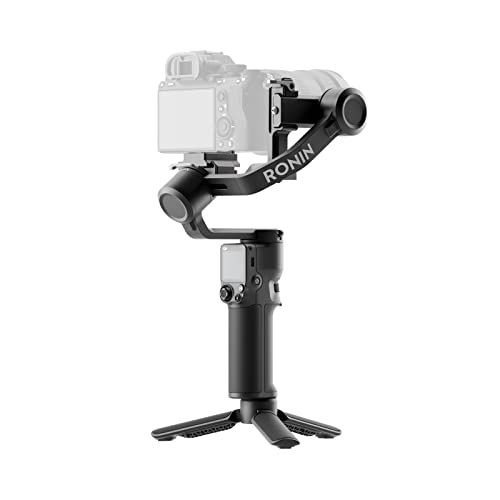
The DJI RS 3 Mini is a fantastic choice if you’re looking for an ultra-portable yet powerful gimbal for your Sony A7III. It strikes an impressive balance between lightweight design and robust performance, making it an ideal companion for travel videographers or those who prefer a less bulky setup. Don’t let its “mini” name fool you; it’s perfectly capable of handling the A7III with many popular lenses, delivering that signature DJI smoothness without weighing you down.
-
Key Features:
- 795g (1.75lbs) Lightweight and Portable
- Wide-Ranging Compatibility with up to 2 kg (4.4 lbs) payload
- Bluetooth Shutter Control for seamless camera operation
- 3rd-Gen RS Stabilization Algorithm for pro-level stability
- Native Vertical Shooting for social media content
- 1.4″ Full-Color Touchscreen with intuitive UI
-
Pros:
- Extremely portable and easy to carry on long shoots.
- Excellent stabilization performance for its size.
- Quick setup with native vertical shooting.
- Good payload capacity for the A7III and many lenses.
-
Cons:
- May struggle with very heavy or long lens setups.
- Ronin app required for full functionality (and needs to be downloaded from DJI’s site now).
-
User Impressions: Users love how incredibly light and compact the RS 3 Mini is, making it a go-to for run-and-gun shooting. Many are impressed by its stabilization capabilities, often surprised by how much power is packed into such a small form factor, perfect for their mirrorless cameras like the A7III.
See it on Amazon here
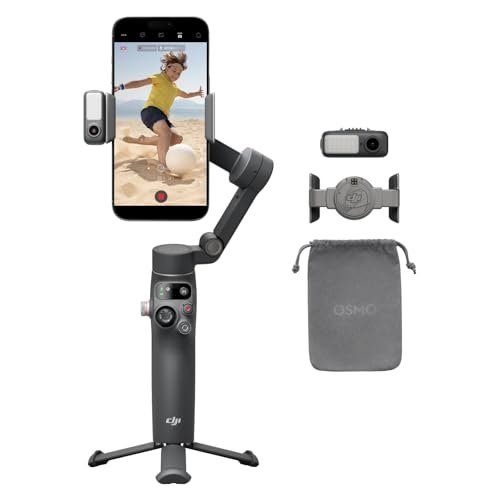
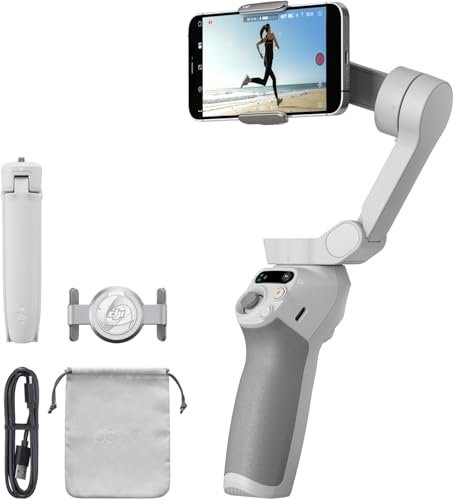
2. DJI Osmo Mobile 7P Gimbal Stabilizer for iPhone, Android…

Important Note: While listed here, the DJI Osmo Mobile 7P is explicitly designed as a smartphone gimbal, not for mirrorless cameras like the Sony A7III. We’re including it as it might be a valuable tool for content creators who also shoot significant portions of their content on a smartphone, offering excellent stabilization for quick mobile shots or behind-the-scenes footage alongside their main camera. It showcases DJI’s innovation in mobile stabilization.
-
Key Features:
- Multifunctional Module for intelligent tracking, mic reception, and lighting
- Robust 3-axis gimbal stabilization for phones
- ShotGuides and One-Tap Edit with DJI Mimo app
- Quick and easy magnetic smartphone mounting
- Built-in extension rod and tripod
- Max operating time of 10 hours
- Dual-Lens Enhanced Tracking
-
Pros:
- Outstanding stabilization for smartphone video.
- Extremely portable and fast to set up for mobile shooting.
- Integrated features like tracking and extension rod are highly convenient.
- Great for social media content or companion footage to your A7III.
-
Cons:
- Cannot be used with the Sony A7III directly.
- DJI Mimo app needs to be downloaded from DJI’s website.
- Limited to smartphone use only.
-
User Impressions: Users consistently praise the Osmo Mobile 7P for its exceptional phone stabilization and intuitive features. They appreciate the convenience of the built-in extension rod and the intelligent tracking, making it a favorite for mobile vlogging and casual shooting.
See it on Amazon here
3. DJI RS 4 Mini, Gimbal Stabilizer for Cameras…

The DJI RS 4 Mini builds on its predecessor’s success, offering refined features that make it even more responsive and user-friendly for your Sony A7III. It’s still incredibly lightweight, but with enhancements like auto axis locks and Teflon-enhanced balancing, it ensures you spend less time setting up and more time shooting. This gimbal is designed for creators who need speed and agility without compromising on professional stabilization.
-
Key Features:
- “Ready in 1 s” with auto axis locks
- Intelligent Tracking Module (sold separately or via combo)
- Teflon Enhanced Balancing for smoother adjustments
- Fast Vertical Switch (10 seconds)
- Responsive Follow Mode for dynamic shots
- Supports up to 2kg/4.4lbs payload (mirrorless and vlog cams)
-
Pros:
- Faster setup thanks to auto axis locks.
- Improved balancing experience.
- Excellent for quick transitions to vertical shooting.
- Compact and light, yet powerful enough for the A7III.
-
Cons:
- Intelligent Tracking Module might be a separate purchase.
- Ronin app needs to be downloaded from DJI’s website.
-
User Impressions: Owners frequently highlight the RS 4 Mini’s improved speed and ease of use. The auto-locking mechanism is a game-changer for many, and the smoother balancing makes calibration less of a chore. It’s seen as a solid upgrade for Sony A7III users needing reliable, compact stabilization.
See it on Amazon here
4. DJI RS 4, 3-Axis Gimbal Stabilizer for DSLR and…

Stepping up from the “Mini” series, the DJI RS 4 is a more robust and feature-rich gimbal designed for serious filmmakers and content creators using larger mirrorless and even some DSLR setups, including your Sony A7III with a wider array of lenses. With increased payload capacity, enhanced balancing, and expanded connectivity options, the RS 4 is built for versatility and extended shooting sessions, offering unparalleled stability and control.
-
Key Features:
- 2nd-Gen Native Vertical Shooting with new horizontal plate
- Joystick Mode Switch for Zoom/Gimbal Control
- Teflon-Coated Axis Arms for Smoother Balancing
- 3kg (6.6lbs) Payload Capacity with Extended Tilt Axis
- RSA Communication Port for Extensive Control Ecosystem
- New BG70 High-Capacity Battery Grip (Sold separately) for extended runtime
-
Pros:
- Higher payload capacity handles heavier A7III setups.
- Superior balancing with Teflon coating.
- More control options and accessory compatibility via RSA port.
- Excellent battery life with optional grip.
-
Cons:
- Larger and heavier than the Mini models, less portable for some.
- High-capacity battery grip is sold separately.
- Ronin app needs to be downloaded from DJI’s website.
-
User Impressions: Professionals and enthusiasts alike commend the RS 4 for its rock-solid stability and ability to handle heavier camera rigs. The improved balancing and the new vertical shooting mechanism are particularly appreciated, making it a go-to for commercial projects and demanding video shoots with their Sony A7III.
See it on Amazon here
5. FeiyuTech SCORP Mini 2 [White] All-in-One 3-Axis Mirrorless…
![FeiyuTech SCORP Mini 2 [White] All-in-One 3-Axis Mirorrless...](https://m.media-amazon.com/images/I/41S11kh+hFL._SL500_.jpg)
While our main focus is on finding the best DJI gimbal for Sony A7III, the FeiyuTech SCORP Mini 2 is a compelling alternative that deserves attention. It stands out with its built-in AI tracking and ergonomic design, offering a unique blend of features that streamline your shooting process. This gimbal is an excellent option if you’re exploring beyond the DJI ecosystem but still demand high performance and smart functionalities for your mirrorless camera.
-
Key Features:
- Built-in AI Tracking Sensor for automatic subject recognition
- Upgraded Quick-Release System for easy installation
- 1.3 Inches OLED Screen for intuitive control
- Multi-Functional Zoom Knob for precise control of angles and focus
- Ergonomic Integrated Handle for reduced fatigue
-
Pros:
- Integrated AI tracking is a significant time-saver.
- Comfortable T-shaped handle for extended shooting.
- Quick-release system enhances portability and setup speed.
- Intuitive OLED touchscreen for direct control.
-
Cons:
- Not a DJI product, so it doesn’t integrate with DJI ecosystems.
- Payload capacity might be less than larger DJI models (verify specific A7III + lens combo).
-
User Impressions: Users love the convenience of the built-in AI tracking, noting it simplifies solo shooting immensely. The comfortable handle design and the crisp OLED screen are also frequently praised, making it a user-friendly choice for smooth footage.
See it on Amazon here
6. ZHIYUN CINEPEER WEEBILL 3E 3-Axis Gimbal Stabilizer for…

Another strong contender in the mirrorless gimbal market, the ZHIYUN CINEPEER WEEBILL 3E, offers a compact yet powerful solution for your Sony A7III. Zhiyun has focused on ergonomics and efficiency with this model, incorporating features like native vertical shooting and a comfortable sling mode to minimize physical fatigue during long shooting days. It’s a testament to how non-DJI brands are innovating to provide top-tier camera stabilization.
-
Key Features:
- Native Vertical Shooting without extra accessories
- Paper-based manuals (a rare but appreciated inclusion!)
- Bluetooth Shutter Control for wireless camera operation
- Built-in 2600mAh batteries with 14W fast charging
- 2.5 Sling Mode (requires separate wrist rest/handle kit) for reduced fatigue
- Small but Strong: 1.05 kg weight, 3kg (6.6 lbs) payload capacity
-
Pros:
- Impressive payload capacity for its lightweight design.
- Excellent battery life with fast charging.
- Native vertical shooting is a huge time-saver.
- Ergonomic design helps reduce shooting fatigue.
-
Cons:
- Sling mode accessories are often sold separately.
- Not a DJI product, so it lacks DJI ecosystem integration.
-
User Impressions: Reviewers often highlight the Weebill 3E’s robust payload capacity despite its compact size, making it a versatile option for the A7III. The ergonomic design, especially the optional sling mode, is frequently lauded for making long shoots more manageable and comfortable.
See it on Amazon here
7. DJI RS 4 Combo, 3-Axis Gimbal Stabilizer for Cameras for…

The DJI RS 4 Combo takes all the excellent features of the standard RS 4 and bundles them with essential accessories, making it an even more comprehensive package for serious videographers and filmmakers. If you’re looking for the most complete best DJI gimbal for Sony A7III solution right out of the box, this combo is hard to beat. It provides the robust stabilization and advanced control of the RS 4, plus key additions like the Briefcase Handle and a Focus Pro Motor for enhanced creative possibilities.
-
Key Features:
- 2nd-Gen Native Vertical Shooting for efficient content creation
- Joystick Mode Switch for Zoom/Gimbal Control
- Teflon-Coated Axis Arms for Smoother Balancing
- 3kg (6.6lbs) Payload Capacity With Extended Tilt Axis
- RSA Communication Port for Extensive Control Ecosystem
- New BG70 High-Capacity Battery Grip (Sold separately) – extends runtime to 29.5 hours
- Includes Gimbal, BG21 Battery Grip, Quick-Release Plate, Extended Grip/Tripod, Briefcase Handle, and Focus Pro Motor
-
Pros:
- All-inclusive package, providing better value than buying components separately.
- Focus Pro Motor adds precise control for manual lenses.
- All the benefits of the DJI RS 4 (payload, balancing, vertical shooting).
- Ideal for professional workflows and extended shooting.
-
Cons:
- Higher price point due to the included accessories.
- Still relatively larger and heavier than Mini versions.
- Ronin app needs to be downloaded from DJI’s website.
-
User Impressions: Users who opt for the RS 4 Combo express great satisfaction with the complete package. The inclusion of the Focus Pro Motor is a major highlight for those doing follow-focus work, and the overall robustness and reliability of the RS 4 platform receive consistent praise, making it a top choice for their Sony A7III.
See it on Amazon here
Frequently Asked Questions (FAQ)
Q1: Why do I need a gimbal for my Sony A7III?
A: The Sony A7III has great in-body image stabilization (IBIS), but a 3-axis gimbal takes stabilization to a whole new level. It compensates for all three axes of movement (pan, tilt, and roll), giving you incredibly smooth, cinematic footage, especially during complex movements like tracking shots, walking, or running. It’s essential for professional-looking video.
Q2: What payload capacity should I look for in a gimbal for my Sony A7III?
A: The Sony A7III body itself weighs around 650g (1.4 lbs). You’ll need to add the weight of your heaviest lens, plus any accessories like a microphone, external monitor, or small rig. For comfortable use with most lenses, aim for a gimbal with a payload capacity of at least 2 kg (4.4 lbs). If you plan to use heavier zoom lenses or professional cinema glass, look for gimbals with 3 kg (6.6 lbs) capacity or more.
Q3: How do I balance my Sony A7III on a DJI gimbal?
A: Balancing is crucial for optimal performance and battery life. It involves adjusting the camera’s position on each axis (tilt, roll, pan) until it remains still when the gimbal motors are off. DJI gimbals typically have clear markings and locking mechanisms to aid this. You’ll usually loosen a lock, slide the camera or arm until it’s balanced, and then re-lock. Detailed instructions are always provided in the gimbal’s manual and numerous online tutorials.
Q4: What’s the main difference between the DJI RS 3 Mini and the RS 4 Mini?
A: Both are excellent compact options. The RS 4 Mini is an iterative upgrade, offering faster setup times with features like auto axis locks and improved balancing with Teflon-coated axis arms. While the RS 3 Mini is still a fantastic choice, the RS 4 Mini provides a slightly smoother and quicker user experience due to these refinements.
Q5: Can I use my smartphone with these gimbals, especially if I also shoot with my Sony A7III?
A: Gimbals designed for mirrorless cameras (like the DJI RS series, FeiyuTech SCORP Mini, or Zhiyun Weebill series) are too large for smartphones directly unless they come with a dedicated phone mount accessory (which is rare). The DJI Osmo Mobile 7P, as noted, is specifically for smartphones. If you shoot with both your A7III and your phone, you might consider having a dedicated gimbal for each, as they serve different purposes and handle different weights.
Q6: Are non-DJI gimbals like FeiyuTech or Zhiyun good alternatives for the Sony A7III?
A: Absolutely! Brands like FeiyuTech and Zhiyun are strong competitors in the gimbal market. They often offer innovative features, competitive pricing, and excellent stabilization performance. While DJI has a strong ecosystem, these alternatives provide robust solutions with unique selling points, such as built-in AI tracking or specific ergonomic designs, making them perfectly viable choices for your Sony A7III.
Q7: What features are most important in a gimbal for professional videography with the A7III?
A: For professional use, look for:
1. High Payload Capacity: To support your A7III with various lenses and accessories.
2. Excellent Stabilization Algorithm: For consistently smooth footage.
3. Long Battery Life: For extended shooting sessions.
4. Quick Setup & Balancing: To save time on location.
5. Native Vertical Shooting: Increasingly important for social media content.
6. Robust Build Quality: To withstand professional use.
7. Accessory Ecosystem: Compatibility with follow focus, external monitors, and other professional tools.