Filming with your Sony A7S series camera is a fantastic experience, thanks to its stellar low-light performance and incredible video capabilities. But even the best camera can’t magically eliminate shaky footage when you’re moving. That’s where a high-quality 3-axis gimbal comes in! It’s an absolute game-changer for capturing buttery-smooth, cinematic shots, transforming your handheld shooting into professional-grade productions.
Whether you’re a seasoned filmmaker or a burgeoning content creator, investing in the best 3 axis gimbal for Sony A7S is crucial for elevating your video work. These powerful stabilizers counteract unwanted camera movements, giving your audience a truly immersive viewing experience. But with so many options out there, how do you pick the right one?
Don’t sweat it! We’ve done the legwork for you. In this guide, we’ll dive deep into some of the top contenders for the best 3 axis gimbal for Sony A7S cameras, helping you find the perfect match for your filmmaking needs. Let’s get your footage looking pristine!
Our Top Picks for the Sony A7S Series
Here’s a rundown of the leading 3-axis gimbals that pair wonderfully with your Sony A7S, A7S II, A7S III, or even the new A7S IV (if it ever drops!).
DJI RS 3 Mini, 3-Axis Gimbal Stabilizer for Cameras
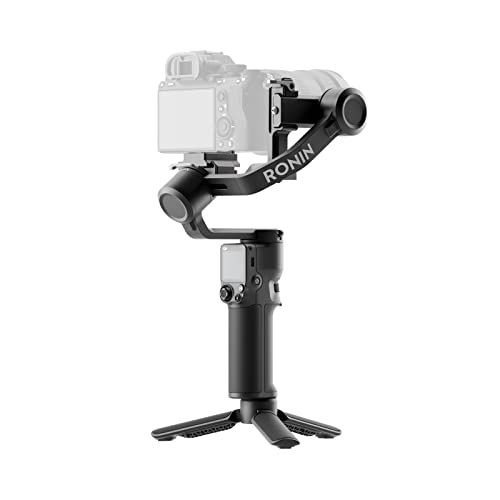
The DJI RS 3 Mini is an absolute gem for content creators on the go. If you’re looking for a lightweight, travel-friendly gimbal that still delivers DJI’s renowned stabilization, this is it. It’s perfect for solo shooters who need to keep their kit light without compromising on smooth footage. Despite its compact size, it boasts strong, high-torque motors capable of handling a good range of mirrorless cameras and lenses, making it a surprisingly versatile option for your Sony A7S setup. Its intuitive design and quick setup mean you’ll be capturing stunning, stable shots in no time.
Key Features:
– 795g (1.75lbs) Lightweight and Portable
– Load capacity of up to 2 kg (4.4 lbs)
– Bluetooth Shutter Control for automatic camera reconnection and control
– 3rd-Gen RS Stabilization Algorithm for pro-level image stabilization
– Native Vertical Shooting by mounting the quick-release plate to the vertical arm
– 1.4″ Full-Color Touchscreen with an intuitive UI design
– Requires DJI Ronin app for activation and full functionality
Pros:
– Incredibly lightweight and compact, ideal for travel and extended shoots
– Excellent stabilization performance for its size
– Easy to switch to native vertical shooting for social media content
– User-friendly touchscreen interface
– Strong motor performance for common camera/lens combos
Cons:
– Max payload might be limiting for heavier cinema lenses or very large setups
– Requires a companion app for full functionality and activation
– May feel too small for users with larger hands or who prefer bulkier gimbals
User Impressions:
Users consistently praise the RS 3 Mini for its portability and impressive stabilization, especially given its size. Many find it a fantastic “grab-and-go” solution that still delivers professional results. The native vertical shooting is a huge hit for social media creators, and the quick setup gets a lot of positive feedback. Some wish it could handle slightly heavier loads, but overall, it’s a highly recommended compact gimbal.
FeiyuTech SCORP-C [Official] Camera Stabilizer 3-Axis
![FeiyuTech SCORP-C [Official] Camera Stabilizer 3-Axis...](https://m.media-amazon.com/images/I/41cuk84JumL._SL500_.jpg)
The FeiyuTech SCORP-C is a robust and highly compatible option, especially if you’re working with a variety of camera bodies or heavier lenses. This upgraded version of their AK2000C gimbal significantly boosts its payload capacity, making it a more versatile choice for serious video work with your Sony A7S. What truly sets it apart is its integrated handle grip, which provides a more ergonomic and stable hold right out of the box, rather than being an add-on accessory. This design philosophy emphasizes user comfort and control, making long shooting sessions far less fatiguing.
Key Features:
– Compatible with mainstream mirrorless and DSLR camera & lens combos
– Upgraded payload capacity to 5.51 lbs (from 4.85 lbs)
– Integrated handle grip (no optional accessory needed)
– Multi-Functional KNOB RING for controlling camera focus and gimbal axis
– Extensive compatibility with Sony A7S series, FX3, ZV-E10, and many more Sony, Canon, Nikon, and Fujifilm models
Pros:
– Higher payload capacity handles a wider range of Sony A7S lens setups
– Ergonomic integrated handle improves comfort and stability
– Multi-functional knob offers precise control over camera settings and gimbal movements
– Broad camera compatibility means future-proofing your investment
Cons:
– May be bulkier and heavier than ultra-compact alternatives
– Learning curve for the multi-functional knob might take a little time
– Some users might miss the option for an underslung handle if they prefer that style
User Impressions:
Photographers and videographers appreciate the SCORP-C’s solid build and ability to handle heavier setups. The integrated handle is a frequent highlight, with users reporting reduced fatigue during extended shoots. The extensive Sony compatibility is a major plus, making it a reliable choice for A7S users. While some note its size, most agree it’s a powerful and dependable gimbal for the price.
ZHIYUN CINEPEER Weebill 3E[Official], 3-Axis Lightweight
![ZHIYUN CINEPEER Weebill 3E[Official], 3-Axis Lightweight...](https://m.media-amazon.com/images/I/41+kdEh7b2L._SL500_.jpg)
The ZHIYUN CINEPEER Weebill 3E (this specific kit) is designed to be incredibly lightweight and portable, boasting an A4 paper-sized footprint, making it super easy to pack and carry. Don’t let its compact form factor fool you, though; it still offers a very capable 3 kg (6.6 lbs) payload, ample for most Sony A7S setups. This version emphasizes a comfortable handle design that truly fits the holding posture, aiming to significantly reduce fatigue during those epic, marathon shooting sessions. It’s a fantastic choice if you’re looking for high performance that won’t weigh you down.
Key Features:
– 3 kg (6.6 lbs) Payload with a lightweight 1.05 kg design
– A4 paper-sized (12 × 8 × 3 in) lightweight and portable design
– Comfortable handle design for reduced fatigue
– Native Vertical Shooting by simply mounting the quick-release plate to the vertical arm
– NOTE: Package only contains Panasonic control cable; Canon, Sony, and other brand cameras need additional control cables
– 2.5 Sling Mode with labor-saving wrist rest and telescopic sling grip (accessories sold separately)
– Bluetooth Shutter Control for wireless camera operation and auto-pairing
– 16H Max Battery Life, supporting 14W PD fast charging (2h 46m charge time)
– Includes gimbal, tripod, quick release plate, USB charging cable, Panasonic control cable, manual, and 12-month warranty
Pros:
– Impressively high payload for such a lightweight and compact gimbal
– Ergonomic handle design enhances comfort during long shoots
– Excellent battery life for all-day filming
– Fast charging capability is a bonus
– Native vertical shooting is great for social media content creation
Cons:
– Sony control cable must be purchased separately, which is an extra cost and consideration
– Sling grip and wrist rest for “2.5 Sling Mode” are not included
– The compact design might feel small for users with larger hands
User Impressions:
Users love the Weebill 3E’s balance of portability and power. The extended battery life and quick charging are frequently highlighted as major advantages, especially for professional use. While the separate purchase of Sony control cables can be a minor annoyance, the overall performance and ergonomic design make it a favorite for those seeking a lightweight yet robust gimbal.
DJI RS 4, 3-Axis Gimbal Stabilizer for DSLR and Mirrorless Cameras

The DJI RS 4 steps up the game with refined features and enhanced performance, making it an excellent choice for serious filmmakers using the Sony A7S. Building on DJI’s legacy, this gimbal offers incredibly smooth stabilization and intelligent design improvements. Its 2nd-Gen Native Vertical Shooting system is exceptionally efficient, allowing for quick transitions without fumbling for extra accessories. The Teflon-coated axis arms are a subtle yet significant upgrade, ensuring smoother balancing and adjustments, which means less time fiddling and more time shooting. For those looking for a professional-grade experience with their Sony A7S, the RS 4 delivers.
Key Features:
– 2nd-Gen Native Vertical Shooting with a new horizontal plate for efficient switching
– Joystick Mode Switch for quick toggling between PF, PTF, and FPV modes
– Teflon-Coated Axis Arms for smoother balancing and reduced friction
– 3kg (6.6lbs) Payload Capacity with an extended tilt axis (8.5 mm more balancing space)
– RSA Communication Port for connecting extensive control accessories (e.g., DJI RS Tethered Control Handle)
– New BG70 High-Capacity Battery Grip (Sold separately) extends runtime from 12 to 29.5 hours, and can power camera/accessories
– Includes Gimbal, BG21 Battery Grip, Quick-Release Plate, Extended Grip/Tripod, and more
– DJI Ronin app needs to be downloaded from DJI official website (not on Google Play)
Pros:
– Advanced stabilization with Teflon-coated axes for precision
– Effortless 2nd-gen native vertical shooting
– Higher payload capacity suitable for a wide range of Sony A7S lens setups
– Extended tilt axis offers more flexibility for balancing
– Expandable ecosystem via RSA port for professional setups
– Option for significantly extended battery life with separate accessory
Cons:
– High-capacity battery grip sold separately adds to the cost
– DJI Ronin app not available on Google Play (requires direct download)
– Can be considered a more premium option, reflected in its price
User Impressions:
The DJI RS 4 is highly praised for its robust build, superior stabilization, and thoughtful design improvements. Users particularly appreciate the quick vertical shooting and the smoother balancing process. While the price point and separate battery grip are noted, the overall professional-grade performance and reliability make it a top contender for dedicated videographers.
ZHIYUN CINEPEER WEEBILL 3E 3-Axis Gimbal Stabilizer for Cameras (Feature Spotlight)

This particular iteration of the ZHIYUN CINEPEER Weebill 3E highlights its incredible versatility and user-friendly features, making it a compelling choice for your Sony A7S. It truly shines with its “all-in-one” quick-mount system for native vertical shooting, saving precious time on set by eliminating the need for extra accessories or dismantling. Combined with robust Bluetooth shutter control, it significantly reduces wire clutter and streamlines your workflow. This version of the Weebill 3E emphasizes a powerful internal battery and the potential for a comfortable “2.5 Sling Mode” setup, focusing on a smoother, more efficient shooting experience from start to finish.
Key Features:
– Native Vertical Shooting with an “all-in-one” quick-mount system for fast posture conversion
– Paper-based manuals for clear and concise setup guides
– Bluetooth Shutter Control for wireless adaptation, recording, and photo functions, with auto-pairing
– Built-in 2600mAh batteries with 14W fast charging (2 hours 46 mins charge time)
– 2.5 Sling Mode with optional labor-saving wrist rest and telescopic sling handle (accessories not included in this package)
– Small But Strong: weighs only 1.05 kg, A4-sized, with a 3kg (6.6 lbs) payload capacity
– Equipped with a more comfortable handle design for reduced fatigue during long-term shooting
Pros:
– Seamless native vertical shooting integrated into the design
– Excellent wireless control features through Bluetooth
– Good battery life with rapid charging capabilities
– Extremely lightweight and portable for its payload capacity
– Ergonomic handle design contributes to comfortable handling
Cons:
– Sling grip and wrist rest for “2.5 Sling Mode” are not included and must be purchased separately
– The feature list emphasizes design elements, but users should verify specific camera control cable compatibility if not bundled
User Impressions:
Users frequently comment on how easy the Weebill 3E makes transitioning between horizontal and vertical shooting, calling it a game-changer for social media content. The wireless control is also a popular feature, reducing cable management headaches. Its lightweight nature combined with a strong payload is a winning combination for many Sony A7S users, making it a top contender for those prioritizing efficiency and portability.
Frequently Asked Questions (FAQ) about Gimbals for Sony A7S
Q1: Why do I need a 3-axis gimbal for my Sony A7S?
A1: The Sony A7S series offers fantastic video quality, but even with in-body image stabilization (IBIS), handheld footage can still look shaky, especially when you’re moving. A 3-axis gimbal actively stabilizes your camera across three axes (tilt, roll, and pan), eliminating bumps, shakes, and jitters to deliver incredibly smooth, professional-looking, cinematic footage. It’s essential for dynamic shots like walking, running, or complex camera movements.
Q2: What payload capacity should I look for in a gimbal for my Sony A7S?
A2: The Sony A7S camera itself isn’t particularly heavy, but you need to account for your lens, any external monitors, microphones, or other accessories. Most gimbals listed here have a payload capacity of 2-3 kg (4.4-6.6 lbs), which is generally sufficient for the A7S III with a standard zoom lens (e.g., a 24-70mm f/2.8 or a 70-200mm f/4). Always check the combined weight of your camera setup (camera body + heaviest lens + accessories) and choose a gimbal that comfortably exceeds that weight for optimal performance.
Q3: Is “Native Vertical Shooting” important for my Sony A7S?
A3: Absolutely, especially if you create content for social media platforms like TikTok, Instagram Reels, or YouTube Shorts. Native vertical shooting allows you to quickly switch your camera to a portrait orientation without needing to re-balance the gimbal or add cumbersome accessories. This streamlines your workflow and ensures your footage is perfectly framed for vertical platforms.
Q4: How long should the battery life be on a good gimbal?
A4: For professional or all-day shooting, aim for a gimbal with a battery life of at least 8-10 hours. Many modern gimbals offer 12-16 hours or even more, which is ideal for long shoots or multiple projects without needing constant recharges. Fast charging capabilities are also a huge plus, allowing you to quickly top up your battery during breaks.
Q5: Can I control my Sony A7S camera from the gimbal?
A5: Yes, most high-quality 3-axis gimbals offer camera control features. This typically includes starting/stopping recording, taking photos, and sometimes controlling focus or zoom directly from the gimbal’s buttons. This functionality usually requires connecting your A7S to the gimbal via a control cable (often USB-C) or Bluetooth. Always check the gimbal’s compatibility list and ensure you have the correct cable for your specific Sony A7S model.
Q6: What’s the difference between DJI and Zhiyun gimbals?
A6: Both DJI and Zhiyun are industry leaders in camera stabilization. DJI is often praised for its intuitive user interfaces, robust build quality, and excellent stabilization algorithms, with a slightly more “premium” feel. Zhiyun is known for offering innovative designs, strong performance, and competitive pricing, often providing great value. Ultimately, both brands offer high-quality products, and the best choice depends on your specific needs, budget, and preferred features like ergonomics, payload, and ecosystem.
Q7: Are these gimbals only for mirrorless cameras, or can they handle DSLRs too?
A7: While the Sony A7S is a mirrorless camera, many of these gimbals (like the FeiyuTech SCORP-C or DJI RS 4) are designed to handle both mirrorless cameras and lighter DSLR setups. Always check the specific payload capacity and the gimbal’s compatibility list to ensure it can support your camera and lens combination.