So, you’ve got your hands on the incredible Canon R7 – a powerhouse APS-C mirrorless camera known for its blazing fast autofocus, impressive 32.5MP sensor, and fantastic video capabilities, including in-body image stabilization (IBIS). While the R7’s IBIS is certainly a game-changer for handheld shots, if you’re serious about capturing super smooth, cinematic video or tackling complex tracking shots, a dedicated gimbal stabilizer is an absolute must. It takes your footage from good to truly professional.
Choosing the best gimbal for Canon R7 can feel a bit overwhelming with so many options out there. You need something that can handle the R7’s weight (plus your favorite lenses!), offers excellent stabilization, and is easy to use on the go. This guide will walk you through some of the top contenders, helping you find the perfect match to unlock your Canon R7’s full video potential.
Why Your Canon R7 Needs a Gimbal (Even with IBIS)
While the Canon R7 boasts a superb 5-axis in-body image stabilization system, it has its limits. IBIS is fantastic for static shots or subtle movements, but when you’re walking, running, or performing dynamic camera movements, it can still result in noticeable jitters or “jello” effects. A dedicated 3-axis gimbal provides mechanical stabilization across all axes, isolating your camera from your movements completely. This means buttery-smooth footage, even in challenging situations, making it an essential tool for filmmakers, vloggers, and content creators aiming for that professional polish.
Factors to Consider When Choosing Your Canon R7 Gimbal
Before we dive into the specific models, let’s quickly go over what truly matters when picking a camera stabilizer for your R7:
- Payload Capacity: This is crucial. Make sure the gimbal can comfortably support the combined weight of your Canon R7 body and your heaviest lens.
- Portability & Weight: Will you be traveling with it? Shooting handheld for long periods? Lighter, more compact gimbals are often preferred.
- Battery Life: You don’t want your gimbal dying in the middle of a shoot. Longer battery life is always a plus.
- Stabilization Performance: While all gimbals stabilize, some do it better than others, especially with complex movements or heavier setups.
- Ease of Use & Features: Look for quick setup, intuitive controls, native vertical shooting modes (great for social media!), and convenient features like Bluetooth shutter control.
Now, let’s explore the best gimbal for Canon R7 options on the market.
DJI RS 3 Mini, 3-Axis Gimbal Stabilizer for Cameras
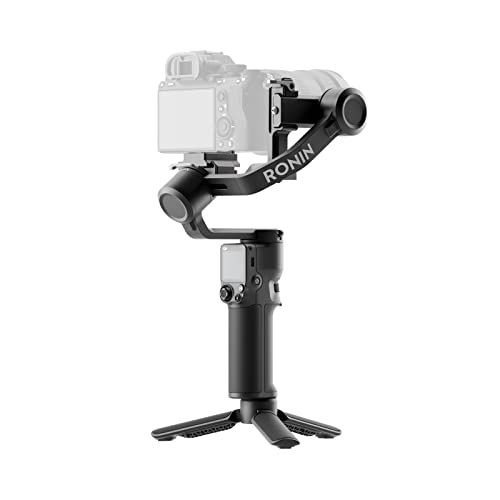
The DJI RS 3 Mini is a fantastic option for Canon R7 users who prioritize portability without sacrificing performance. It’s incredibly lightweight and compact, making it an ideal companion for travel vloggers, run-and-gun shooters, or anyone who wants professional-grade stabilization without the bulk. Despite its small size, it packs a punch with strong motors and DJI’s renowned 3rd-Gen RS Stabilization Algorithm, ensuring your Canon R7 footage looks incredibly smooth and stable, even when you’re moving quickly or shooting low-angle shots. Its native vertical shooting feature is a huge plus for social media content creators, allowing for instant reorientation without fiddling with accessories.
-
Key Features:
- 795g (1.75lbs) Lightweight and Portable
- Wide-Ranging Compatibility with up to 2 kg (4.4 lbs) payload capacity
- Bluetooth Shutter Control for easy camera operation
- 3rd-Gen RS Stabilization Algorithm for pro-level smoothness
- Native Vertical Shooting for social media content
- 1.4″ Full-Color Touchscreen for intuitive control
-
Pros:
- Extremely portable and easy to carry
- Excellent stabilization performance for its size
- Quick setup and native vertical shooting feature
- Intuitive touchscreen interface
- Good value for money
-
Cons:
- Lower payload capacity compared to larger gimbals, might struggle with very heavy lenses
- DJI Ronin app required for activation and updates (can be a minor inconvenience for some)
-
User Impressions: Users frequently praise the RS 3 Mini for its “incredible portability” and “surprisingly strong stabilization” for its size. Many R7 owners find it the perfect travel companion, noting how easy it is to balance and use, especially for vlogging and casual content creation. The native vertical mode often gets special mention for streamlining social media workflows.
ZHIYUN CINEPEER Weebill 3E, 3-Axis Lightweight Gimbal Stabilizer
![ZHIYUN CINEPEER Weebill 3E[Official], 3-Axis Lightweight...](https://m.media-amazon.com/images/I/41+kdEh7b2L._SL500_.jpg)
The ZHIYUN CINEPEER Weebill 3E emerges as a strong contender for the best gimbal for Canon R7, offering a remarkable balance of payload capacity, ergonomic design, and user-friendly features. This A4-sized gimbal manages to be both lightweight and powerful, supporting a generous 3 kg (6.6 lbs) payload – more than enough for the Canon R7 and most lenses you’d pair with it. What truly sets the Weebill 3E apart is its focus on comfort and efficiency. Its re-engineered handle design significantly reduces fatigue during long shooting sessions, and features like native vertical shooting and Bluetooth shutter control streamline your workflow. If you’re looking for a gimbal that can handle a bit more weight while remaining highly portable and comfortable, this is a top pick.
-
Key Features:
- 3 kg (6.6 lbs) Payload Capacity while weighing only 1.05 kg (A4-sized)
- Native Vertical Shooting without extra accessories
- Ergonomic handle design for reduced fatigue
- Bluetooth Shutter Control for wireless camera operation
- 16H Max Battery Life with 14W PD fast charging
- Optional 2.5 Sling Mode (with additional accessories) for enhanced comfort
-
Pros:
- Excellent payload-to-weight ratio
- Comfortable design for extended use
- Very long battery life with fast charging
- Seamless native vertical shooting
- Supports a wide range of mirrorless and DSLR cameras (with correct control cable)
-
Cons:
- Sling grip and wrist rest for “2.5 Sling Mode” sold separately
- Specific control cables for Canon (and Sony) cameras need to be purchased separately, which can be an unexpected cost.
-
User Impressions: Many users are highly impressed by the Weebill 3E’s ability to handle heavier camera setups like the R7 with larger lenses while remaining surprisingly light. The comfortable grip is frequently highlighted as a major benefit for extended shooting. The long battery life is also a common praise point, giving creators confidence for all-day shoots.
DJI RS 4, 3-Axis Gimbal Stabilizer for DSLR and Mirrorless Cameras

The DJI RS 4 takes things up a notch, designed for serious filmmakers and content creators who need robust performance and expanded capabilities for their Canon R7. While a bit larger than the RS 3 Mini, it boasts an impressive 3kg (6.6lbs) payload capacity and a new horizontal quick-release plate for even more efficient native vertical shooting. The RS 4 introduces Teflon-coated axis arms for incredibly smooth balancing, which can save precious time on set. Its extended tilt axis provides more balancing space, accommodating a wider range of Canon R7 lens combinations. With an RSA communication port for an extensive control ecosystem and the option for a high-capacity battery grip, the RS 4 is built for demanding professional workflows, making it a strong contender for the ultimate best gimbal for Canon R7 for those who push their gear to the limits.
-
Key Features:
- 3kg (6.6lbs) Payload Capacity with extended tilt axis
- 2nd-Gen Native Vertical Shooting with new horizontal plate
- Teflon-Coated Axis Arms for smoother balancing
- Joystick Mode Switch for quick control (PF, PTF, FPV)
- RSA Communication Port for extensive control ecosystem
- Optional New BG70 High-Capacity Battery Grip for extended runtime (sold separately)
-
Pros:
- Robust build and higher payload for larger lens setups
- Smoother, more efficient balancing process
- Advanced native vertical shooting implementation
- Extensive expandability with accessories
- Excellent stabilization performance for professional-grade results
-
Cons:
- Less portable than the RS 3 Mini
- Higher price point
- High-capacity battery grip sold separately
-
User Impressions: Professionals and serious enthusiasts rave about the RS 4’s build quality, smooth operation, and ability to handle heavier mirrorless setups like the Canon R7 with professional zoom lenses. The new balancing features are particularly appreciated for saving time, and the extended battery life with the optional grip is a big win for long shoots. Users consider it a significant upgrade for serious video work.
FAQ Section
Q1: Does the Canon R7 need a gimbal with its In-Body Image Stabilization (IBIS)?
A1: Yes, absolutely! While the Canon R7’s IBIS is excellent for minor shakes and handheld photography, a 3-axis gimbal provides superior stabilization for dynamic video movements like walking, running, or complex tracking shots. It mechanically isolates the camera from your body’s motion, delivering truly cinematic, buttery-smooth footage that IBIS alone cannot achieve.
Q2: How do I know if a gimbal can support my Canon R7 and lens?
A2: You need to check the gimbal’s “payload capacity” (maximum weight it can hold). Weigh your Canon R7 body, plus the heaviest lens you plan to use with it. Ensure this combined weight is within the gimbal’s stated payload limit. Always leave a little buffer for safety and optimal performance.
Q3: Is balancing a gimbal difficult for a beginner?
A3: Modern gimbals have become much easier to balance. While there’s a slight learning curve, most come with clear instructions and quick-release plates that simplify the process. Many also have auto-tune features that optimize motor strength once balanced. With a bit of practice, you’ll be balancing your Canon R7 in minutes.
Q4: Can I shoot vertical video (for TikTok/Reels) with these gimbals?
A4: Yes, all the gimbals reviewed (DJI RS 3 Mini, ZHIYUN Weebill 3E, DJI RS 4) offer “native vertical shooting.” This feature allows you to quickly reorient your Canon R7 camera vertically without needing to dismantle or add extra accessories, making it incredibly convenient for creating content for social media platforms.
Q5: What’s the difference between the DJI RS 3 Mini and the DJI RS 4?
A5: The RS 3 Mini is designed for ultimate portability and lighter setups, while the RS 4 offers a higher payload capacity, more advanced features (like Teflon-coated arms for smoother balancing), and greater expandability for professional mirrorless setups like the Canon R7 with heavier lenses. Choose the RS 3 Mini for travel and everyday vlogging, and the RS 4 for more demanding, professional video production.
Q6: What about battery life? How long do these gimbals typically last?
A6: Battery life varies by model, but generally, modern gimbals offer impressive runtimes. For example, the ZHIYUN Weebill 3E boasts up to 16 hours, while the DJI RS 3 Mini offers around 10 hours. The DJI RS 4 can be extended to over 29 hours with an optional high-capacity battery grip. Always check the specific product’s specifications, and consider extra batteries or power banks for very long shooting days.
Q7: Do I need a special control cable for my Canon R7 to work with the gimbal?
A7: Yes, many gimbals require a specific control cable to enable features like shutter control, video recording start/stop, and zoom/focus control directly from the gimbal handles. Some gimbals include universal cables, while others (like the ZHIYUN Weebill 3E for Canon) might require a separate purchase. Always verify compatibility and included accessories before buying.